An Overview of Russia
Geography of Russia
The World's Largest Country
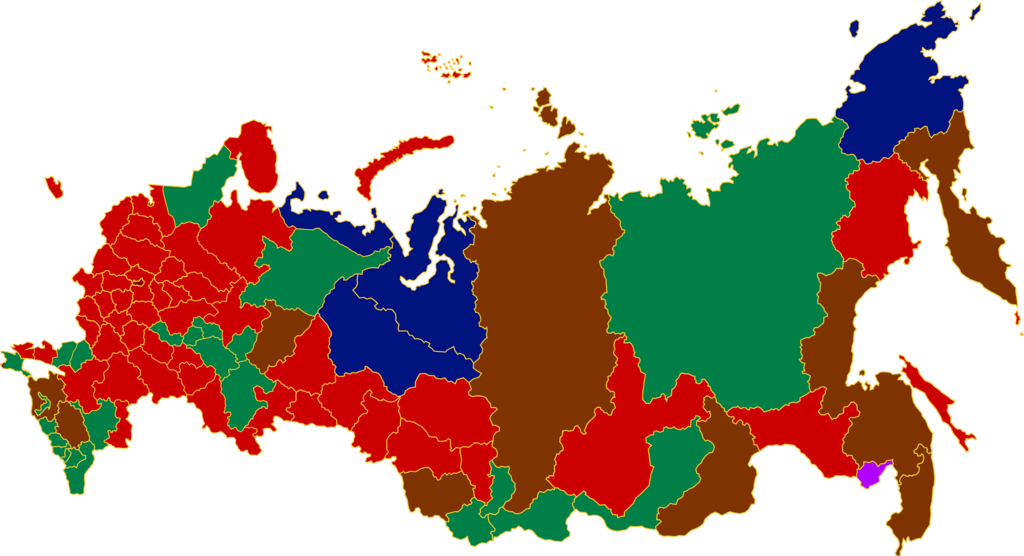
Russia is immense. It's the largest country on Earth by a wide margin, covering over 17 million square kilometers. This vast territory stretches across two continents, Europe and Asia, and spans eleven time zones. When it's evening in the western city of Kaliningrad, it's already the next morning in Petropavlovsk-Kamchatsky on the Pacific coast.
This enormous size means Russia shares borders with fourteen different countries, from Norway and Finland in the northwest to China and North Korea in the far east. It also has an extensive coastline, meeting the Arctic Ocean to the north and the Pacific Ocean to the east. In the west and south, it touches the Baltic, Black, and Caspian Seas.
Mountains and Plains
Much of Russia's landscape is dominated by vast, rolling plains. West of the Ural Mountains lies the East European Plain, a huge expanse of low-lying land that is home to most of Russia's population. To the east of the Urals is the West Siberian Plain, one of the largest flat areas in the world, characterized by wetlands and forests.
These plains are bordered by significant mountain ranges that carve out the country's topography.
The Ural Mountains are the traditional dividing line between European and Asian Russia. They are an ancient, weathered range, not nearly as tall or rugged as younger mountains like the Himalayas.
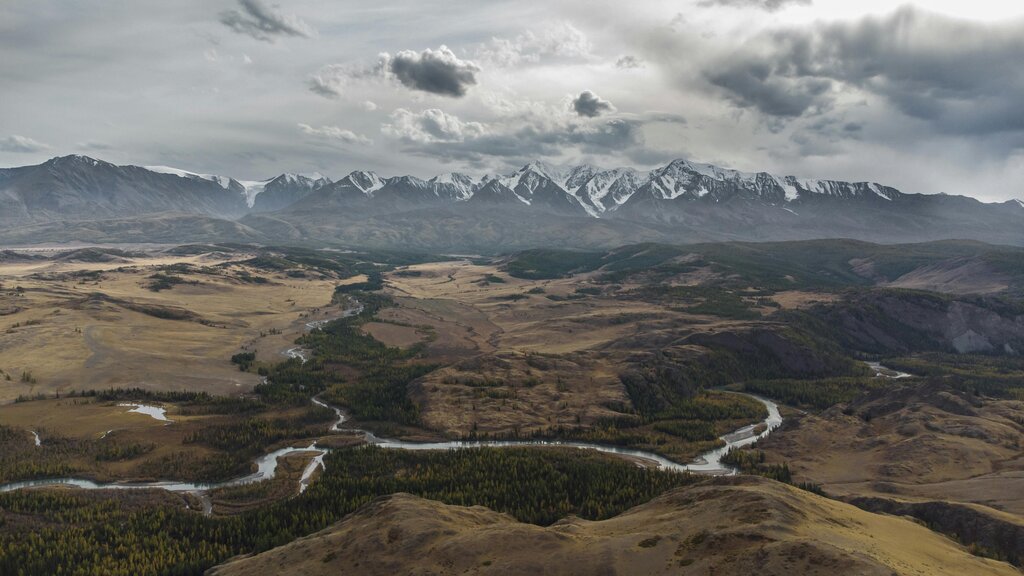
In the south, the Caucasus Mountains form a dramatic barrier between the Black and Caspian Seas. This is a much younger and more formidable range, home to Mount Elbrus, which at 5,642 meters (18,510 feet) is the highest peak in both Russia and Europe. Further east, Siberia is framed by a series of high mountain ranges, including the Altai and the remote, frozen peaks of the Verkhoyansk Range.
A Land of Rivers and Lakes
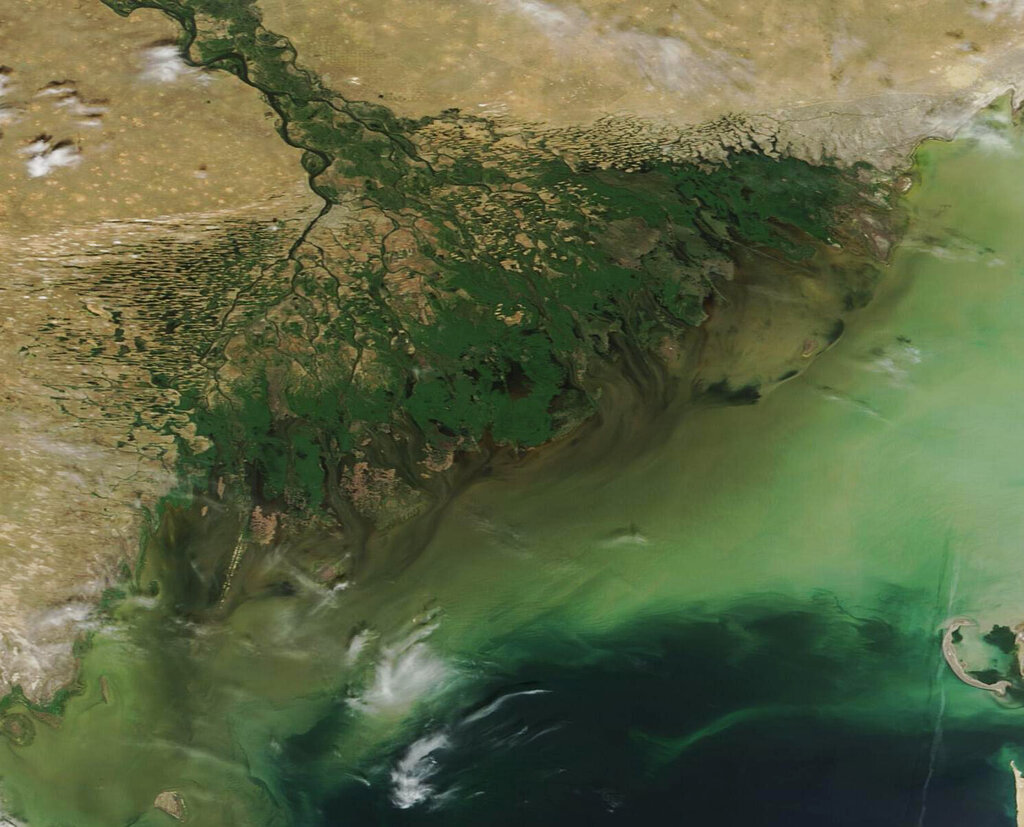
Russia is crisscrossed by thousands of rivers and contains some of the world's largest freshwater bodies. In European Russia, the Volga River is the most important. It's Europe's longest river, winding its way south to the Caspian Sea and serving as a vital artery for transportation and agriculture.
Siberia is home to three of the world's mightiest rivers: the Ob, the Yenisey, and the Lena. These massive river systems flow northward from the mountains of southern Siberia, eventually draining into the Arctic Ocean. They are frozen for much of the year, but in the summer, they become major transport routes through the vast, sparsely populated region.
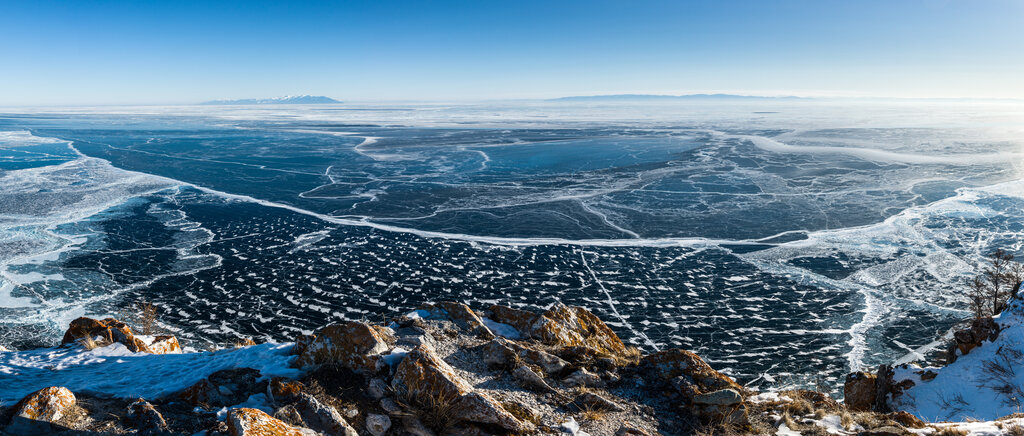
Russia also boasts Lake Baikal, a true natural wonder. Located in southern Siberia, it is the world's largest freshwater lake by volume, containing more water than all of North America's Great Lakes combined. It is also the oldest and deepest lake on the planet, reaching a depth of 1,642 meters (5,387 feet).
From Arctic Ice to Subtropical Sun
With its immense north-south extent, Russia experiences a wide range of climates. The northern coast along the Arctic is a tundra zone, a treeless landscape where the subsoil is permanently frozen, a condition known as permafrost. Long, brutal winters and short, cool summers define life here.
The tundra is a vast, starkly beautiful region where only the hardiest plants and animals can survive.
South of the tundra lies the taiga, the world's largest forest biome. This massive belt of coniferous forest, dominated by pine, spruce, and larch trees, stretches from the western borders all the way to the Pacific Ocean. It covers most of Siberia and is a huge, sparsely inhabited wilderness.
Further south, the climate becomes more temperate. In the European part of Russia, the taiga gives way to mixed and broadleaf forests. Continuing south, the landscape opens up into the steppe, a vast, grassy plain that is Russia's primary agricultural region, known for its fertile "chernozem" or black earth soil.
Finally, in a small pocket along the Black Sea coast, Russia has a humid subtropical climate. Shielded by the Caucasus Mountains from the cold northern air, this region enjoys warm, pleasant weather, making it a popular resort area.
This incredible geographical diversity, from frozen tundra to sun-drenched coasts, defines Russia's natural landscape.