An Introduction to Zoroastrianism
Introduction to Zoroastrianism
An Ancient Faith from Persia
Long before many of today's major religions took form, a new faith emerged in ancient Persia, the land we now call Iran. This religion, Zoroastrianism, is one of the world's oldest monotheistic faiths. It was founded by a prophet named Zoroaster, or Zarathustra in his native language, who lived sometime between 1500 and 1000 BCE.
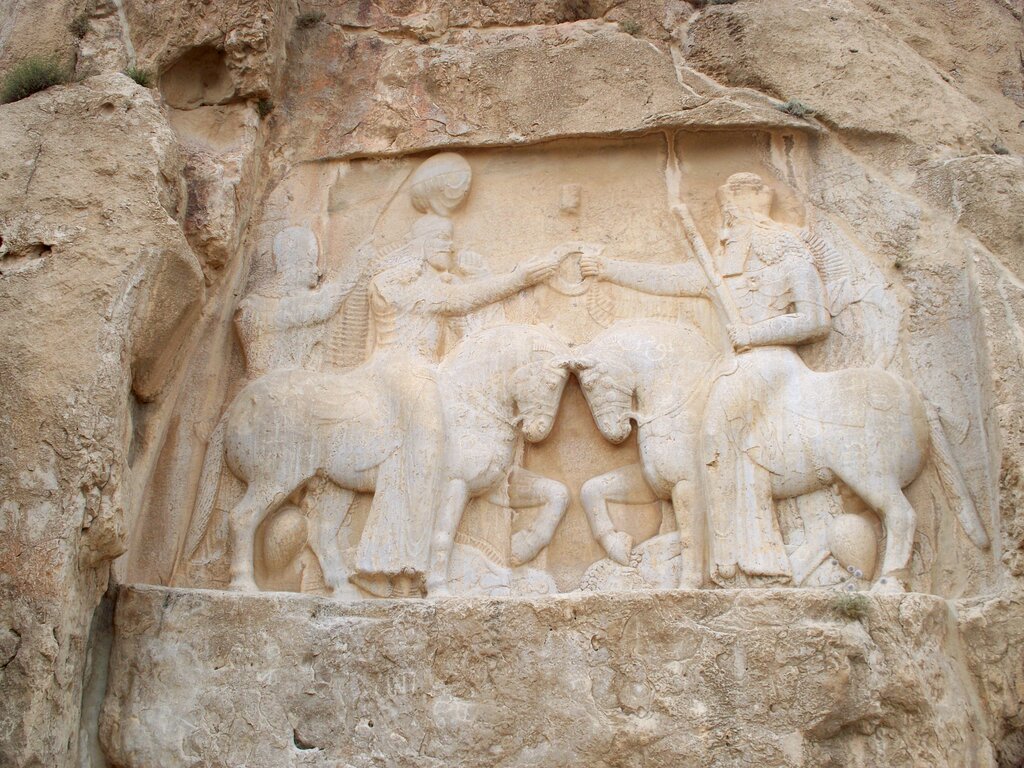
Zoroaster lived in a time of polytheism, where people worshipped many gods. But he had a different vision. He taught that there was one single, universal, and transcendent God. This was a radical idea for its time. He urged people to turn away from the complex rituals and sacrifices common in his day and instead focus on living a life of truth and righteousness.
The Wise Lord and the Great Enemy
At the heart of Zoroaster's teachings is the supreme being, Ahura Mazda.
Ahura Mazda
noun
The name for the one, uncreated God in Zoroastrianism. It translates to "Wise Lord."
Ahura Mazda is the creator of the universe and the source of all goodness, light, and truth. He is a god of order, not chaos. But Ahura Mazda is not unopposed. Zoroastrianism introduces a powerful concept: cosmic dualism. There is a constant battle between good and evil, truth and lies, light and darkness.
Ahura Mazda's adversary is an evil spirit known as Angra Mainyu, or Ahriman. This being is the source of all destruction, darkness, and deceit. According to Zoroaster, every person has free will and must choose which of these two opposing forces to follow in their thoughts, words, and actions.
This choice is the central moral challenge of life. The goal is to align oneself with Asha (truth, order, and righteousness) and combat Druj (the Lie, chaos, and falsehood). This struggle isn't just happening out in the cosmos; it's happening inside every person.
The Sacred Texts
The teachings of Zoroaster and the beliefs of the faith are collected in a set of sacred texts known as the Avesta. Much of the original Avesta has been lost to time, but the parts that remain are vital to the religion. The oldest and most sacred part of the Avesta is a collection of seventeen hymns called the Gathas, believed to have been composed by Zoroaster himself.
The Gathas are not just prayers; they are personal, philosophical poems that explore the nature of God, the meaning of life, and the struggle between good and evil.
These hymns form the core of Zoroastrian theology. They are written in an ancient language, Old Avestan, which is closely related to the Sanskrit of the Hindu Rigveda. Other parts of the Avesta, written later, include prayers, laws, and stories that expand on the prophet's original teachings.
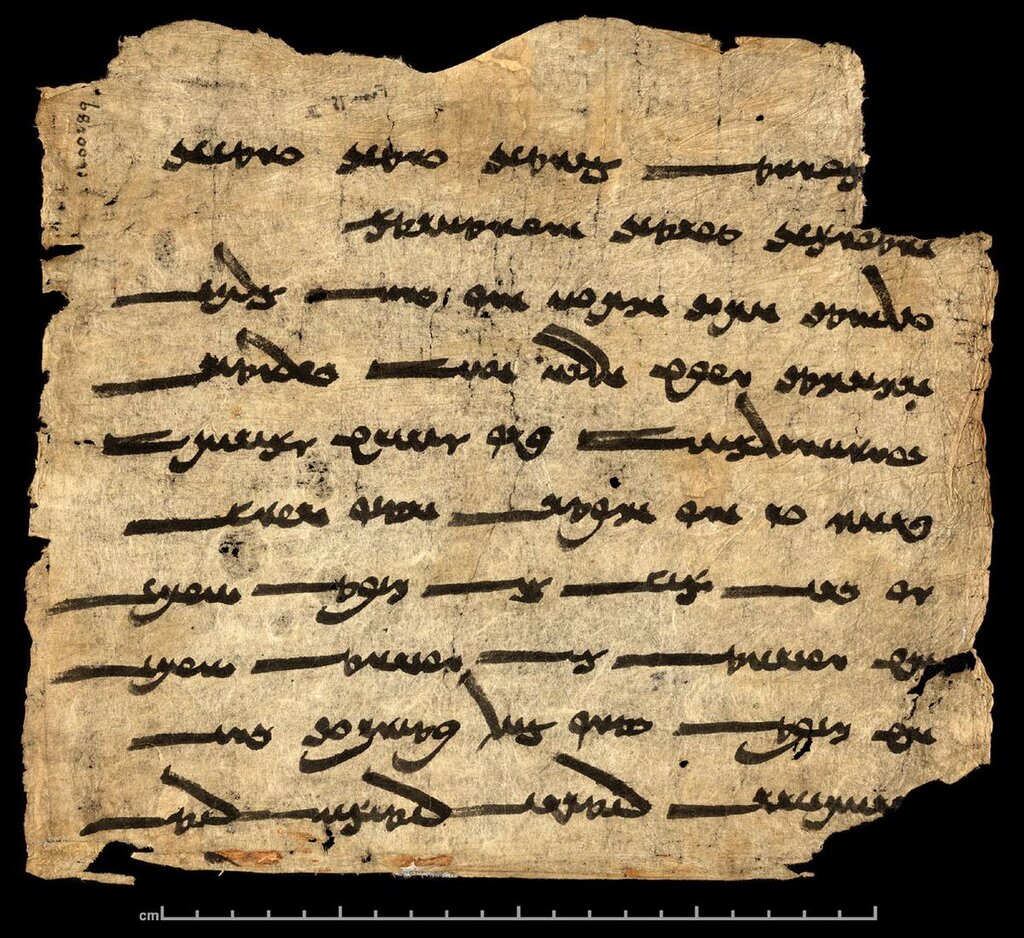
Zoroastrianism has a rich history that has spanned millennia. Though it is not as widespread as it once was, its core message about the importance of choosing truth and goodness continues to resonate.
Ready to check your understanding?
Who is credited with founding Zoroastrianism, one of the world's oldest monotheistic religions?
What is the central concept of cosmic dualism in Zoroastrianism?
This ancient faith provides a unique perspective on the cosmos and humanity's place within it, centered on the power of individual choice.