An Introduction to Chinese Tea
Introduction to Chinese Tea
A Leaf's Long Journey
Legend traces tea back to 2737 BC, when the mythical emperor Shennong was boiling water under a tree. A few leaves drifted into his pot, creating a fragrant, restorative brew. Whether or not the story is true, China is the birthplace of tea. For centuries, it was used as a medicinal herb before becoming a beloved daily drink.
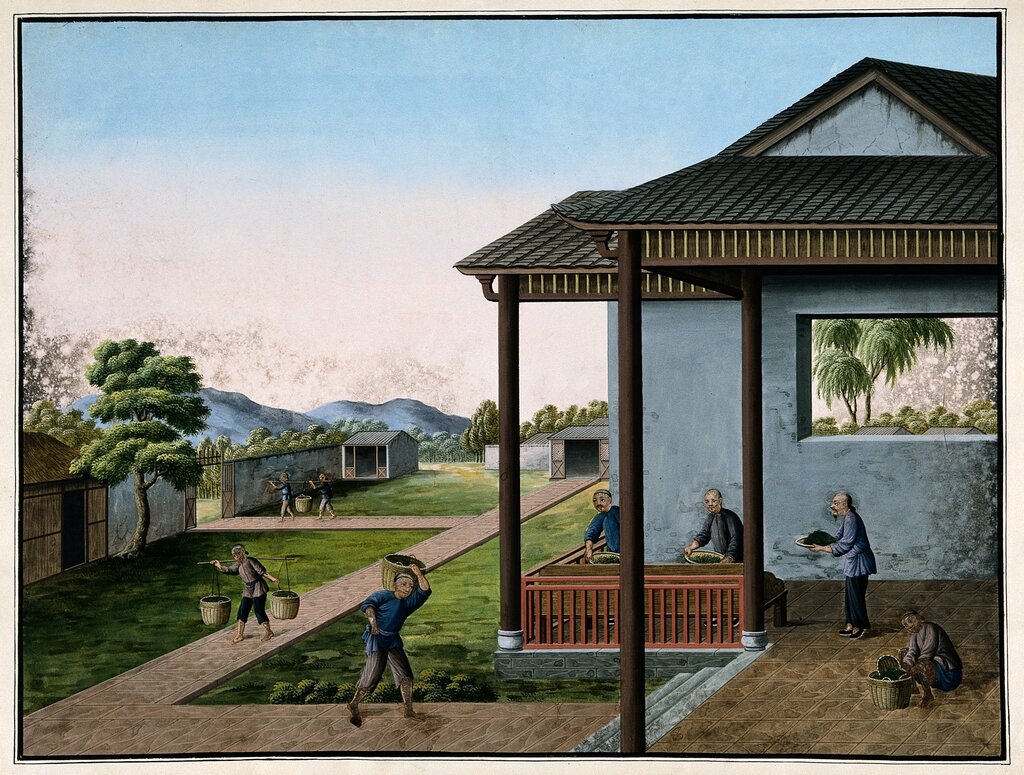
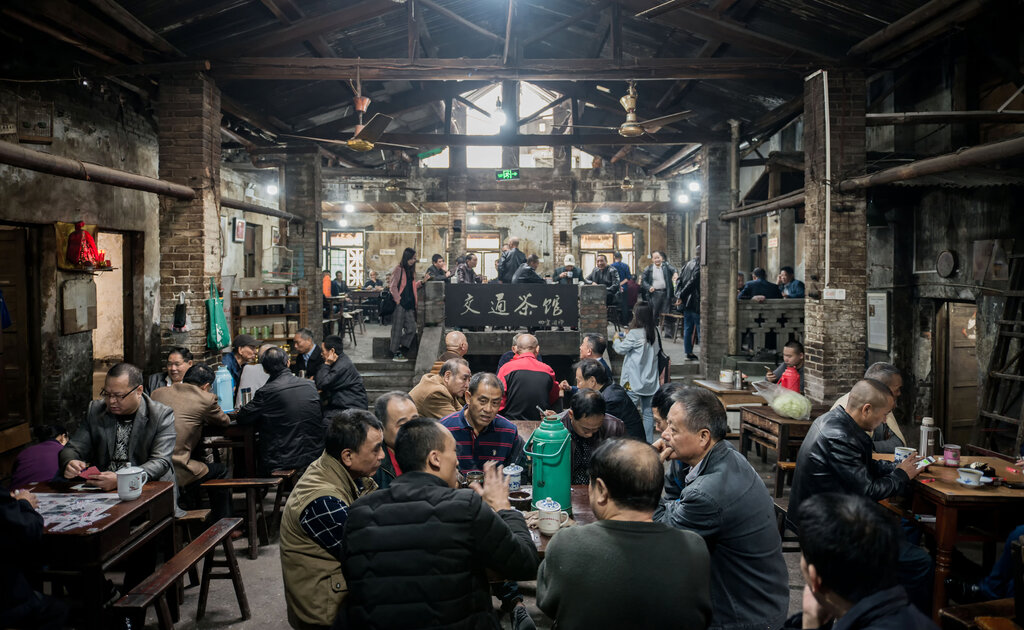
Tea quickly wove itself into the fabric of Chinese society. It became a symbol of hospitality, a centerpiece for social gatherings, and a subject for poets and artists. Teahouses sprung up as lively hubs for conversation, business, and relaxation. From simple daily rituals to elaborate ceremonies, tea became a way to connect with others, with nature, and with oneself.
In China, offering a cup of tea is a fundamental gesture of welcome and respect.
Six Colors of Tea
While all tea comes from the same plant, Camellia sinensis, different processing methods create thousands of varieties. These are grouped into six main categories, each with its own unique character.
There are at least six different types of tea: white, yellow, green, oolong (or wulong), black (called red tea in China), and post-fermented tea (or black tea for the Chinese)of which the most commonly found on the market are white, green, oolong, and black.
The key difference between them is oxidation, a natural process that changes the leaves' color and flavor. Think of it like a sliced apple turning brown when exposed to air. A tea master's skill lies in controlling this process to achieve a desired result.
| Category | Key Characteristic | Common Flavor Profile |
|---|---|---|
| Green Tea | Unoxidized; leaves are heated to stop the process. | Fresh, grassy, vegetal |
| White Tea | The least processed; made from young buds. | Delicate, sweet, floral |
| Yellow Tea | Slightly oxidized through a unique smothering step. | Mellow, smooth, sweet |
| Oolong Tea | Partially oxidized, somewhere between green and black. | Varies widely; floral to fruity |
| Black Tea | Fully oxidized, resulting in a dark color. | Malty, bold, robust |
| Dark Tea | Post-fermented; aged for months or even years. | Earthy, rich, complex |
Each category represents a world of flavors to explore. Green tea is pan-fired or steamed to preserve its fresh, vibrant character, while black tea is allowed to fully oxidize, developing deep, malty notes. Oolong sits in the middle, offering a huge spectrum of tastes depending on its oxidation level.
Now, let's review these foundational concepts.
Ready to test your knowledge?
According to legend, who is credited with discovering tea when leaves accidentally fell into his pot of boiling water?
Before it became a common social beverage in China, what was tea's primary use?
This is just the first sip. Understanding these six categories opens the door to the vast and fascinating world of Chinese tea.