AML and KYC Compliance Fundamentals
Introduction to Money Laundering and Terrorist Financing
Cleaning Dirty Money
Criminal activities like drug trafficking, smuggling, and corruption generate huge amounts of cash. But this money is “dirty” — it’s traceable to the crime. To use it freely, criminals need to make it look like it came from a legitimate source. This process of disguising the origins of illegally obtained money is called money laundering.
Think of it like washing clothes. You put dirty clothes in a machine, run them through a cycle, and they come out looking clean. Money laundering does the same thing, but with cash, using the global financial system as its washing machine.
The process generally happens in three stages:
1. Placement: This is the first step, where the dirty cash enters the financial system. A criminal might break up a large sum of money into smaller, less suspicious amounts and deposit them into multiple bank accounts. Or they could use the cash to buy things like casino chips or money orders.
2. Layering: The goal here is to create distance between the money and its criminal source. The launderer will conduct a series of complex transactions to obscure the audit trail. This could involve wiring the money through various accounts in different countries, or buying and selling high-value items like art or real estate.
3. Integration: In the final stage, the laundered money is brought back into the legitimate economy. The criminal can now use it without fear of it being traced to its illegal origins. They might invest it in a legitimate business, buy luxury assets, or simply put it into a normal bank account. The money now appears clean.
Financing Terrorism
Terrorist financing is the act of providing financial support to terrorist organizations or individuals to enable them to carry out their activities. While it often involves the financial system just like money laundering, there’s a key difference.
Money laundering takes dirty money and tries to make it look legitimate. Terrorist financing, on the other hand, can start with perfectly legal money. The crime is in what the money is used for, not necessarily where it came from.
Funds for terrorism can come from legitimate sources, like donations to a charity that is secretly a front for a terrorist group, or from an individual’s own salary. They can also come from criminal activities, such as smuggling or kidnapping for ransom. In those cases, the funds may be laundered before being used to finance terrorism.
The Global Impact
Money laundering and terrorist financing aren't victimless crimes. They have serious consequences that ripple across the globe. These activities empower criminal organizations and terrorist groups, giving them the resources to operate and expand. This can lead to increased crime, violence, and instability.
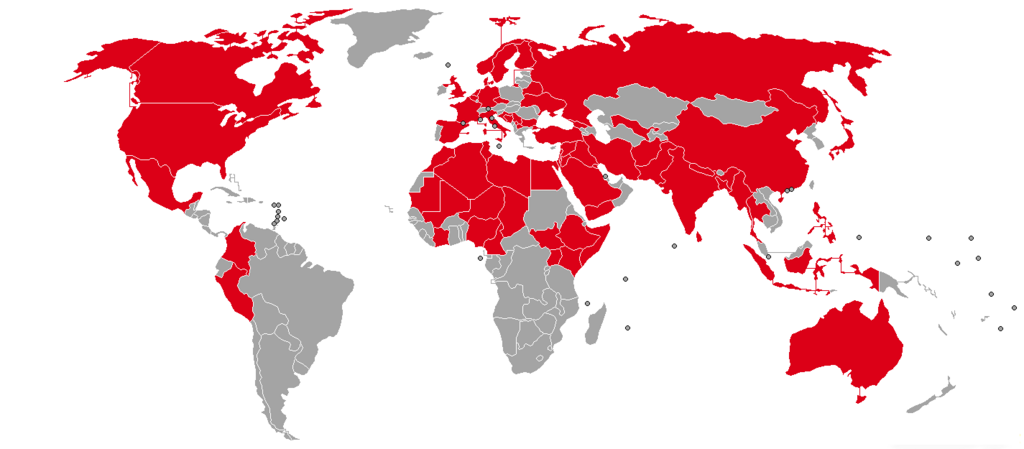
Economically, these illicit financial flows can distort markets and undermine the integrity of the financial system. When large amounts of dirty money are injected into an economy, it can inflate asset prices and outcompete legitimate businesses. This erodes public trust in financial institutions and can destabilize entire economies.
The Need for Rules
To combat these threats, governments and international bodies have developed rules and regulations. The primary goal is to make it much harder for criminals and terrorists to use the financial system. This is where two key concepts come into play: Anti-Money Laundering (AML) and Know Your Customer (KYC).
The objective of KYC/AML/CFT guidelines is to prevent banks/FIs from being used, intentionally or unintentionally, by criminal elements for money laundering or terrorist financing activities.
AML refers to the broad set of laws, regulations, and procedures aimed at preventing money laundering. KYC is a critical component of AML. It's the process that financial institutions use to verify the identity of their clients and assess the risks they pose. By knowing who their customers are and understanding their financial dealings, institutions can spot suspicious activity that might indicate money laundering or terrorist financing.
What is the primary goal of money laundering?
In which stage of money laundering does a criminal create complex financial transactions to obscure the audit trail?
These regulations form the first line of defense in protecting the integrity of the global financial system.