Amharic Language and Fidel
Fidel Script Mechanics
Decoding the Fidel Grid
You've already learned some basic Amharic greetings, but to really read and write, you need to understand its unique script, called Fidel (ፊደል). Unlike a typical alphabet where vowels and consonants are separate letters, Amharic uses an abugida, where each character represents a consonant-vowel pair. This might sound complex, but it's built on a surprisingly logical system.
Think of Fidel as a grid. There are 33 core consonant sounds, which form the base of the script. Each of these base characters can be slightly modified to create seven different forms. Each form, or "order," consistently adds a specific vowel sound to the base consonant. Once you learn the pattern for one character, you can apply it to most of the others.
The first order character in each series is the base form, and it usually has the /ə/ vowel sound (like the 'a' in 'sofa'). The other six orders are variations on this base shape.
The Seven Vowel Orders
The seven orders give Amharic its phonetic consistency. Each column in the Fidel chart corresponds to a specific vowel. The base character is always in the first column, known as Ge’ez. The following columns systematically alter that base character's shape to change the vowel sound. Let's look at the seven orders and their associated sounds:
| Order | Name | Vowel Sound | Example (with 'h') |
|---|---|---|---|
| 1st | Ge'ez (ግዕዝ) | /ə/ (like in ago) | ሀ (hä) |
| 2nd | Ka'eb (ካዕብ) | /u/ (like in blue) | ሁ (hu) |
| 3rd | Sals (ሣልስ) | /i/ (like in ski) | ሂ (hi) |
| 4th | Rabə (ራብዕ) | /a/ (like in father) | ሃ (ha) |
| 5th | Haməs (ኃምስ) | /e/ (like in may) | ሄ (hē) |
| 6th | Sadəs (ሳድስ) | /ɨ/ or /ə/ (a neutral vowel) | ህ (hə) |
| 7th | Sab'ə (ሳብዕ) | /o/ (like in boat) | ሆ (ho) |
Notice how the core shape of ሀ (hä) is present in most of its variations. A small stroke is added, a leg is shortened, or a circle is attached. These small changes are the key to unlocking the entire script. If you learn the pattern for a few key characters, you'll start to see the logic everywhere. Not all characters follow the pattern perfectly, but the system provides a strong foundation for reading.
Putting It Together
Now let's see how these pieces form words. Reading Amharic is a process of sounding out each character in sequence. For example, the word for "house" is ቤት. You would read this by identifying the two Fidel characters:
- ቤ (bē): This is the 5th order of the "b" sound (በ), so it makes the "beh" sound.
- ት (tə): This is the 6th order of the "t" sound (ተ), making a simple "t" sound.
Combine them and you get "bēt." Simple, right?
Amharic also has its own punctuation. The most common mark is the word separator, which looks like two colons and is called an Arat Neteb (::). It's used where you would expect a space in English. A period is represented by four dots in a square: ።
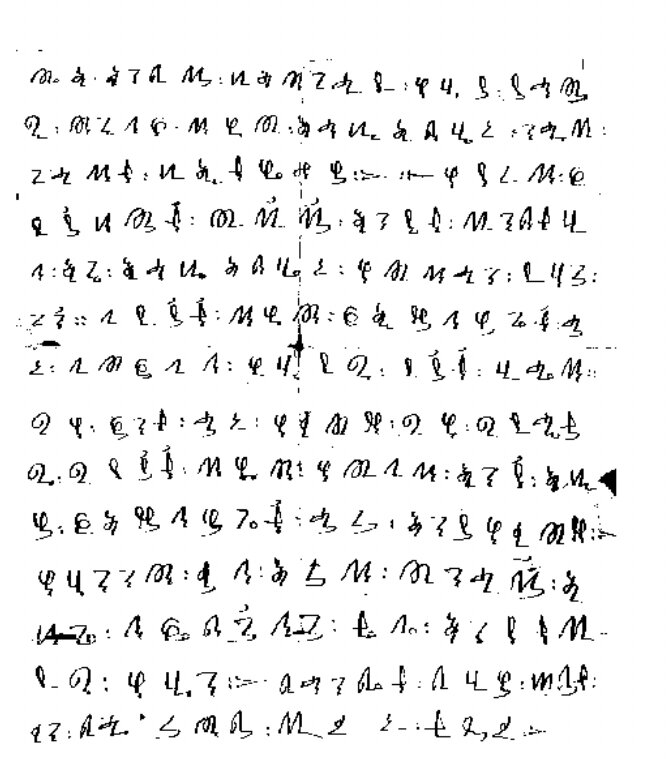
As you practice, you'll find that some characters look very similar. For example, ሀ (hä), ሐ (ḥä), and ኀ (ḫä) all represent sounds similar to the English 'h'. Distinguishing between them comes with practice and exposure. For now, focus on mastering the seven vowel orders for a handful of common consonants. This will build the muscle memory you need to start reading fluently.
What type of writing system is the Amharic script, Fidel?
The Amharic script is organized into seven "orders." What does each order determine for a given character?