American Football Safety Helmets
Early Helmet Designs
The First Helmets
In the late 19th century, football was a brutal sport. Players wore little to no protective gear, and the game's rules were far looser than they are today. Injuries were frequent and often severe, with head injuries being a major concern. The need for some form of protection was becoming painfully obvious.
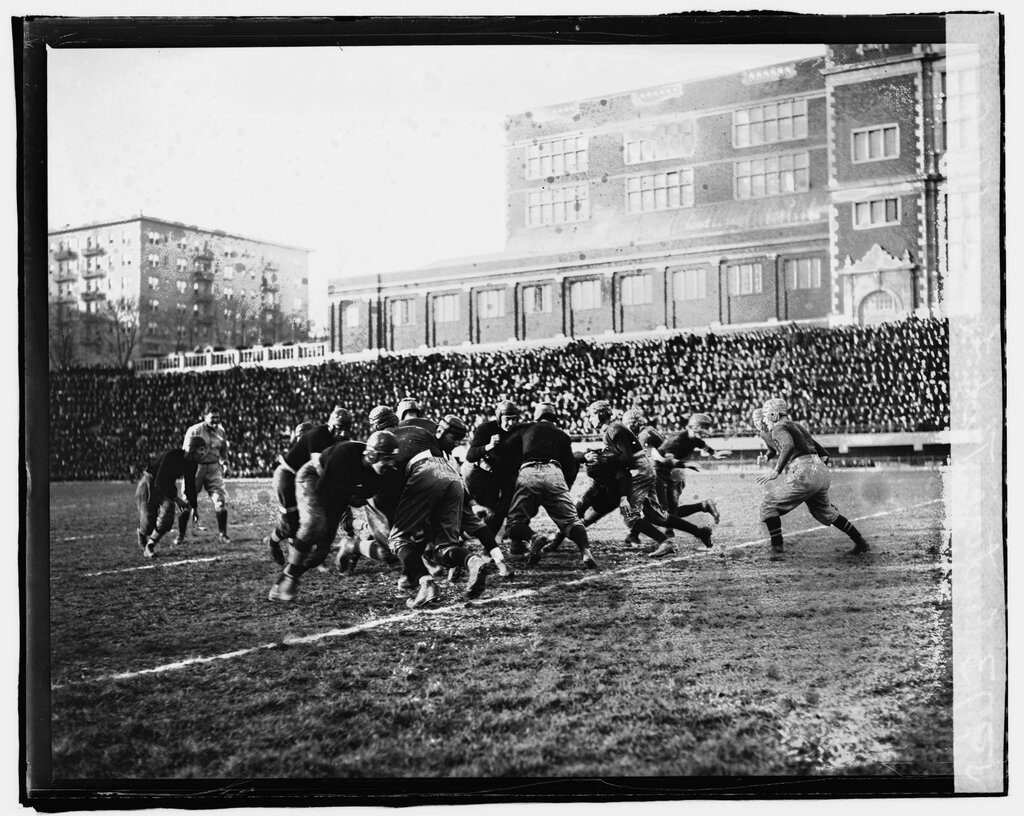
The solution didn't come from a league-wide mandate or a sporting goods company. It came from a single player who was worried about his health but refused to quit the game he loved.
An Admiral's Invention
The first football helmet is credited to George Barclay, a Lafayette College player who would later become an admiral in the U.S. Navy. In 1894, his doctor warned him that another kick to the head could lead to serious injury or even death. Unwilling to give up football, Barclay came up with a creative solution.
He commissioned a local harness maker to fashion a simple piece of headgear. It consisted of three thick leather straps fitted to his head, with earpieces to protect his battered ears. It wasn't designed to prevent concussions, but it was the first step toward head protection in the sport.
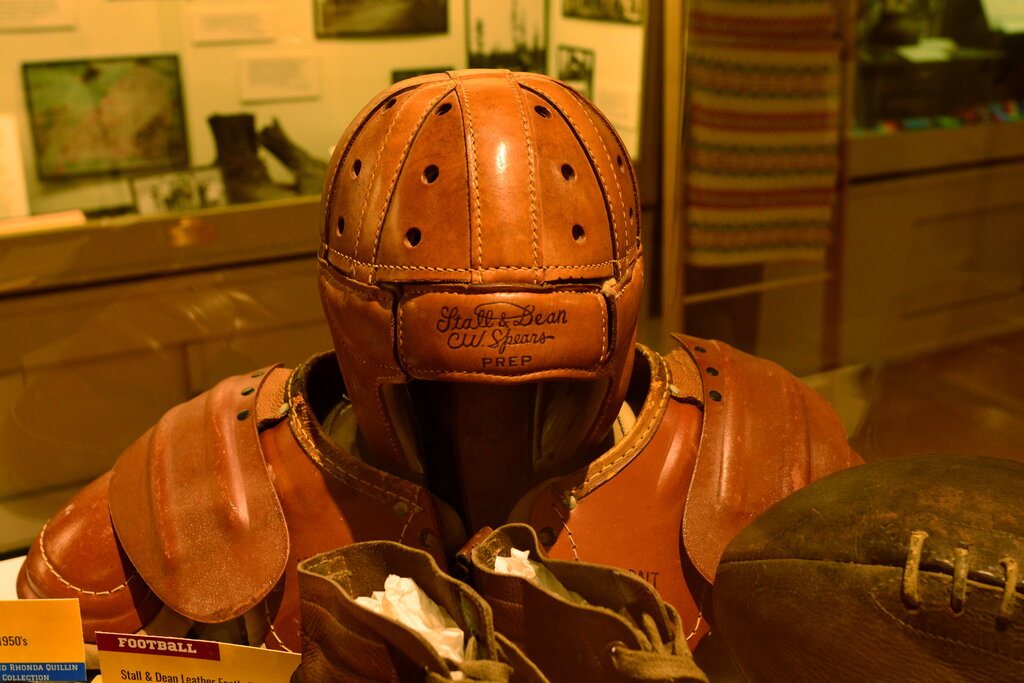
Barclay's invention was a personal fix, not a widespread innovation. For years, most players continued to play without any headgear. Early leather helmets that followed were simple, often just padded leather caps, and offered minimal protection. They were more about preventing cuts and cauliflower ear than absorbing major impacts.
Improving the Design
It took several decades for helmets to evolve. A significant improvement came in the 1920s from Robert Zuppke, the football coach at the University of Illinois. He was concerned about head and ear injuries to his players and sought to create a better design.
The "Zuppke helmet," introduced around 1925, featured a padded leather shell with ventilation holes and, crucially, protective ear flaps. This design spread quickly through college football, offering a marked improvement in protection and comfort over the simple skullcaps that preceded it.
Even with these improvements, adoption was slow, especially in the professional leagues. A culture of toughness meant many players resisted wearing helmets. It wasn't until 1943 that the NFL made helmets mandatory for all players. These early designs, from Barclay's simple straps to Zuppke's padded cap, were primitive by today's standards, but they laid the essential groundwork for the advanced safety equipment that would follow.