Amdocs Stock Performance and Future Outlook
Introduction to Stock Market Basics
What Is a Stock?
At its heart, a stock is a slice of ownership in a company. When you buy a company's stock, you become a shareholder. This means you own a small piece of that business, whether it's a global tech giant or a local coffee chain that decided to go public.
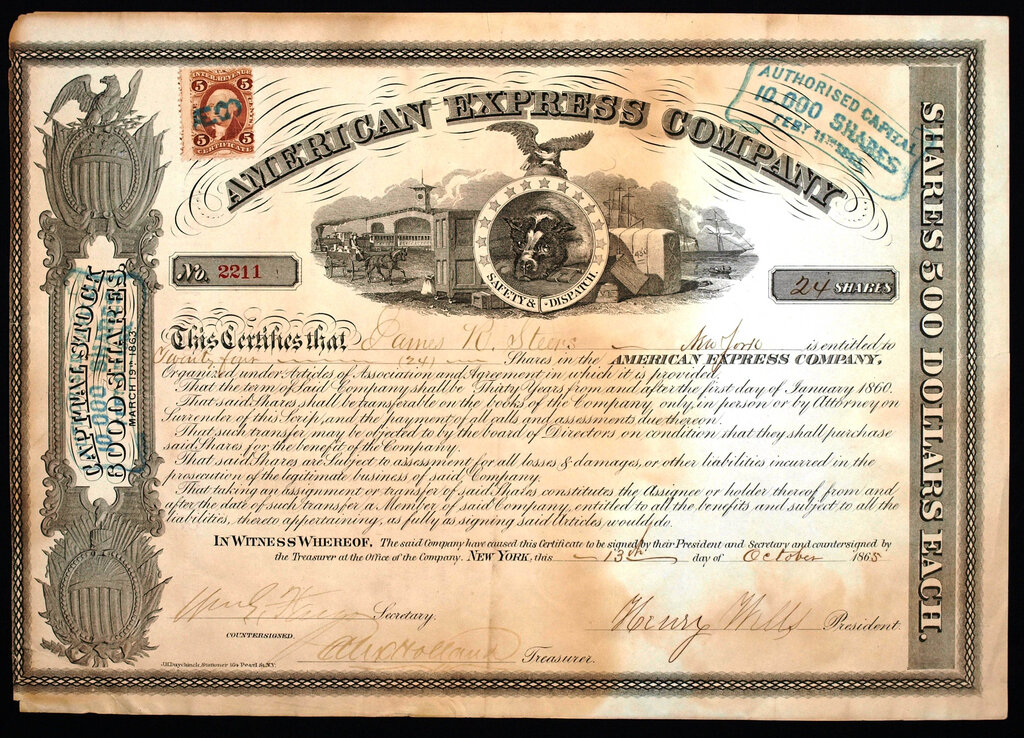
Why do companies sell these slices of ownership? The main reason is to raise money, also known as capital. Instead of taking out a huge loan from a bank, a company can sell shares to the public. The money from this sale can then be used to fund expansion, develop new products, or hire more employees. In return, shareholders get a claim on the company's assets and profits. If the company does well, the value of their shares can increase. Sometimes, companies also pay out a portion of their profits to shareholders, which is called a dividend.
stock
noun
A type of security that signifies ownership in a corporation and represents a claim on part of the corporation's assets and earnings.
Where Stocks Are Traded
Stocks aren't bought and sold in a back alley. They are traded on organized markets called stock exchanges. Think of an exchange as a massive marketplace where buyers and sellers come together to trade shares in a regulated and transparent environment. It’s where the price of a stock is determined by the forces of supply and demand.

Some of the most well-known exchanges include the New York Stock Exchange (NYSE) and the Nasdaq in the United States, the London Stock Exchange (LSE) in the UK, and the Tokyo Stock Exchange (TSE) in Japan. Each exchange has its own listing requirements, so only companies of a certain size and stability can trade on them.
Today, most trading happens electronically. When you place an order to buy or sell a stock through a brokerage app, that order is routed to an exchange where it is matched with an opposing order almost instantly.
A stock exchange provides a platform for buyers and sellers to meet, ensuring fair and orderly trading.
Why Prices Change
A stock's price is not random. It’s a dynamic number that reflects the collective opinion of all investors about a company's future prospects. The core driver is supply and demand. If more people want to buy a stock (demand) than sell it (supply), the price goes up. If more people want to sell than buy, the price goes down.
So what influences this supply and demand? Several factors come into play:
- Company Performance: This is the big one. How well is the company actually doing? Strong earnings reports, new product launches, and solid growth can increase demand for its stock.
- Industry Trends: If a whole sector, like renewable energy or artificial intelligence, is booming, companies within that sector often see their stock prices rise.
- Economic Indicators: Broader economic health matters. Things like interest rates, inflation, and unemployment figures can affect investor confidence and the market as a whole.
- Market Sentiment: Sometimes, emotion drives the market. A wave of optimism (a "bull market") can lift all stocks, while widespread fear (a "bear market") can pull them down. News, rumors, and even social media can sway sentiment.
Investing in these stocks requires understanding market trends, company fundamentals, and sectoral growth potential.
Now you have a basic grasp of stocks, exchanges, and price movements. Let's test your knowledge.
When you purchase a share of a company's stock, what do you own?
What is the primary reason a company chooses to issue stock to the public?
Understanding these core concepts is the first step toward making sense of the financial markets. It's a world where company performance, economic health, and human psychology all come together to shape the value of a business.