Amazon Web Services Fundamentals
Introduction to AWS
What is Cloud Computing?
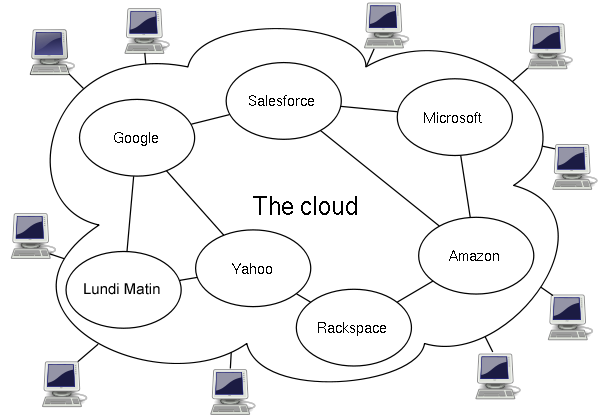
Before we talk about AWS, let's start with the cloud. Cloud computing is like renting electricity instead of building your own power plant. In the past, if a company wanted to run a website or an application, it had to buy and manage its own physical servers. This was expensive, slow, and required a lot of space and maintenance.
Cloud computing changed all that. Companies like Amazon Web Services (AWS) built massive data centers around the world. Now, instead of buying their own hardware, businesses can rent computing power, storage, and other services from AWS. They get access to powerful resources over the internet and only pay for what they use, just like a utility bill.
The Global Reach of AWS
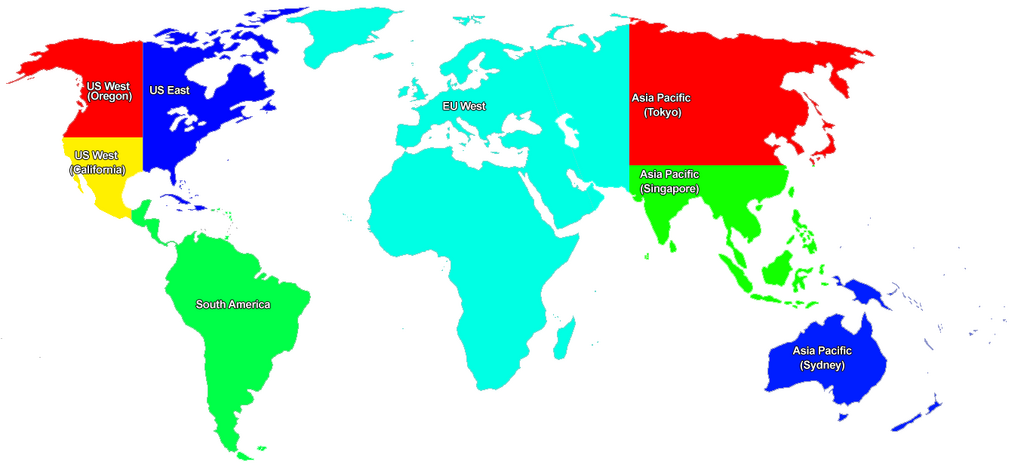
The AWS cloud isn't just one giant computer. It's a vast, global network of data centers. To make this manageable and reliable, AWS organizes its infrastructure into Regions and Availability Zones (AZs).
A Region is a physical location in the world, like Northern Virginia or Ireland. Each Region is completely isolated from the others.
An Availability Zone is one or more discrete data centers within a Region. Each AZ has its own power, cooling, and networking, and they're all connected with high-speed, low-latency links. Think of them as isolated islands within the same geographic area.
Why does this matter? By deploying applications across multiple AZs, you can ensure they stay online even if one data center fails. If a natural disaster hits one AZ, your application can keep running in another. This structure provides high availability and fault tolerance without you needing to build redundant data centers yourself.
Key Benefits of AWS
Using a cloud provider like AWS offers several major advantages over traditional infrastructure.
Scalability and Elasticity: Imagine you run an online store. For most of the year, you only need a couple of servers. But during a big sale, your traffic might spike by 100 times. With AWS, you can automatically add more servers to handle the load and then remove them when the traffic dies down. This ability to grow and shrink resources on demand is called elasticity.
Flexibility: AWS offers a massive portfolio of services, from simple file storage and databases to artificial intelligence and quantum computing. This gives you the flexibility to build almost anything you can imagine without needing to buy and configure specialized hardware for every new idea.
Cost-Effectiveness: Building your own data center requires a huge upfront investment in hardware, real estate, and staff. This is a capital expenditure (CapEx). With AWS, you trade that for an operational expenditure (OpEx). You pay as you go for the services you consume, which often leads to a much lower total cost.
By moving to the cloud, companies can stop guessing about their future capacity needs. They can access the resources they need right when they need them and focus their energy on building great products for their customers instead of managing infrastructure.
Cloud computing is often compared to a utility service, like electricity, because you...
What is the main purpose of deploying an application across multiple AWS Availability Zones (AZs)?