Amazon Virtual Assistant Mastery
Introduction to E-commerce
What Is E-commerce?
E-commerce is short for electronic commerce, and it's simply the buying and selling of goods or services using the internet. It's the digital version of a neighborhood shop, a downtown department store, and a sprawling mall all rolled into one and accessible from your phone or computer.
It started in the 1990s as a novelty. People were hesitant to type their credit card numbers into a website. Today, it’s a normal part of life. From ordering groceries and buying clothes to signing up for a streaming service, e-commerce has changed how we shop, sell, and live. It's not just about transactions; it's about creating entire online experiences for customers.
From an online bookstore operating out of a home garage to the world’s largest digital marketplace (Malik, 2024).
Different Flavors of Online Business
Not all e-commerce is the same. Businesses sell to different types of customers, and these relationships define their business model. Understanding these models helps you see the bigger picture of the online marketplace.
| Model | Stands For | What It Means |
|---|---|---|
| B2C | Business-to-Consumer | A company sells directly to individual customers. This is the most common model, like buying a pair of shoes online. |
| B2B | Business-to-Business | A company sells products or services to other companies. Think of a business buying office supplies in bulk. |
| C2C | Consumer-to-Consumer | Individuals sell to other individuals. Platforms like eBay or Facebook Marketplace are hubs for C2C sales. |
| D2C | Direct-to-Consumer | A brand sells its own products directly to customers, skipping retailers. This gives them more control over their brand and customer relationships. |
Each model has its own strategies for marketing, sales, and customer service. As a virtual assistant, you might support a D2C brand on its own website or a B2C seller operating within a larger marketplace.
The Amazon Effect
When you think of e-commerce, you probably think of Amazon. It started as an online bookstore and grew into a massive global marketplace. A marketplace is an e-commerce site where many different third-party sellers can list their products for sale. It's like a digital shopping mall where Amazon owns the building, but individual sellers run the stores inside.
This is different from a standard online store that only sells its own products. Amazon's marketplace model gives customers a huge selection of items and creates a competitive environment for sellers.
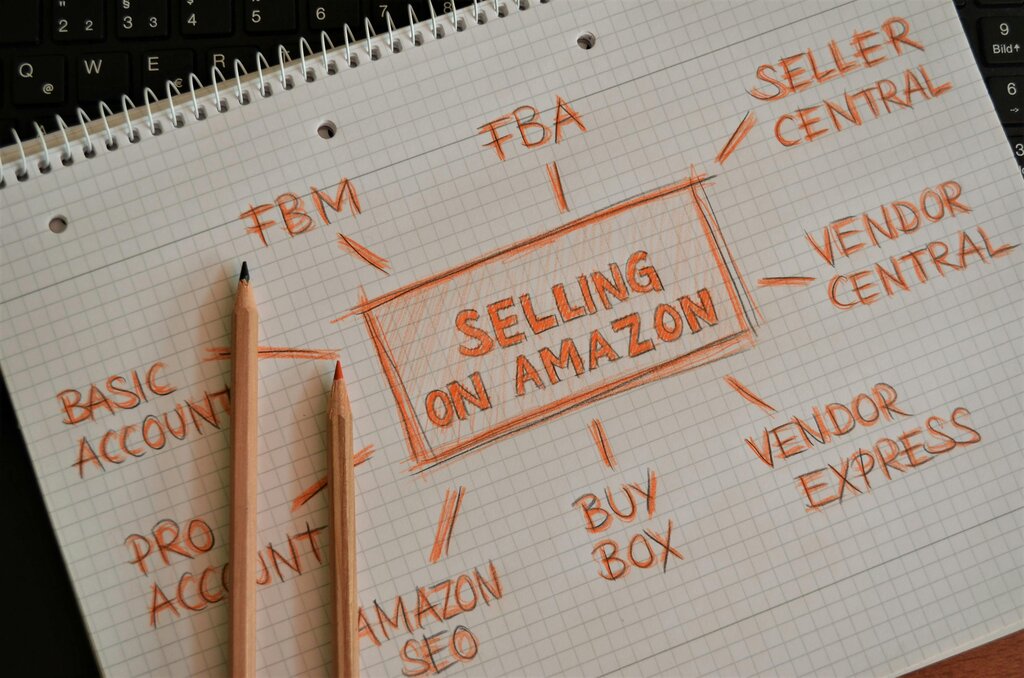
Amazon’s importance can’t be overstated. It gives small businesses access to millions of customers they could never reach on their own. It also offers powerful services like Fulfillment by Amazon (FBA), where Amazon handles storage, packing, and shipping for sellers. This allows entrepreneurs to focus on their products and growth instead of logistics.
Your Role as an Amazon VA
So, where do you fit in? An Amazon Virtual Assistant (VA) is a remote professional who helps business owners manage their Amazon stores. Sellers often wear many hats—sourcing products, managing finances, marketing, and more. It can be overwhelming.
They hire VAs to handle specific tasks, freeing them up to focus on the bigger picture. The role is flexible and can cover a wide range of responsibilities, depending on the seller's needs.
As an Amazon VA, your core mission is to support a seller by efficiently managing parts of their online business, from product pages to customer interactions.
Some common tasks include:
- Product Listings: Creating and optimizing product pages with titles, descriptions, and images.
- Customer Service: Answering customer questions and managing reviews.
- Inventory Management: Monitoring stock levels to prevent products from selling out.
- Basic Reporting: Pulling sales data to see how the business is performing.
Essentially, you become a key part of the team that helps an e-commerce business thrive on the world's biggest marketplace.
Now, let's review what you've just learned.
What is the primary definition of e-commerce?
What is the key difference between an e-commerce marketplace (like Amazon) and a standard online store?
Understanding these foundations is the first step. You now have a map of the e-commerce world and see where Amazon—and your future role—fits into it.