Amazon SWOT Analysis
Understanding SWOT Analysis
What is a SWOT Analysis?
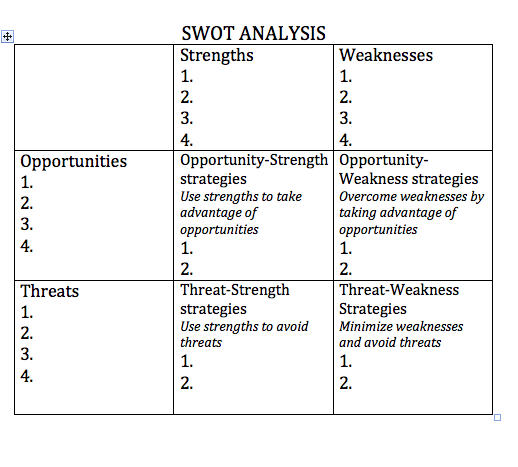
A SWOT analysis is a straightforward tool for strategic planning. The acronym stands for Strengths, Weaknesses, Opportunities, and Threats. Think of it as a structured way to look at where an organization, project, or even an individual stands right now, and what might be coming down the road.
The goal is to get a clear, honest picture. By identifying these four key elements, you can make better decisions. You're looking at what you do well, where you could improve, what you could take advantage of, and what you need to watch out for. This framework helps turn a jumble of information into an organized list that can guide your strategy.
The concept originated in the 1960s from the research of Albert Humphrey at the Stanford Research Institute. He was looking for a way to understand why corporate planning often failed. His team's work led to this simple yet powerful method for assessing a company's position. Today, it's used across all sectors, from massive corporations and non-profits to small startups and personal career planning.
The Four Quadrants
The SWOT matrix is divided into two main categories: internal and external factors.
Strengths and Weaknesses are internal factors—things you can control. Opportunities and Threats are external factors—things you can't control but must respond to.
Strengths are the internal, positive attributes of your organization. These are the things you do well. What are your advantages? This could be a strong brand reputation, a talented team, proprietary technology, or efficient processes.
Weaknesses are the internal, negative factors that hinder you. Where could you improve? This might include a lack of certain expertise, limited resources, an outdated IT system, or a poor location.
Opportunities are external factors that your organization could use to its advantage. What trends could you benefit from? Examples include an emerging market, new technology, a gap left by a competitor, or favorable government policies.
Threats are external factors that could harm your organization. What obstacles do you face? These could be new competitors, a changing regulatory environment, negative press, or shifts in consumer behavior.
| Factor Type | Positive | Negative |
|---|---|---|
| Internal | Strengths | Weaknesses |
| External | Opportunities | Threats |
How to Conduct an Analysis
Running a SWOT analysis is a collaborative exercise, not a solo task. The process generally follows four steps:
- Assemble your team. Gather people with different perspectives from various parts of your organization. The more diverse the viewpoints, the more comprehensive your analysis will be.
- Brainstorm each quadrant. Host a session where the team lists ideas for each of the four categories. Ask open-ended questions to get the conversation started. For Strengths, you might ask, "What unique resources can we draw on?" For Threats, "What market trends could harm us?"
- Organize and prioritize. After brainstorming, you'll likely have long lists. Group similar ideas together and then rank them. Which weaknesses are the most damaging? Which opportunities are most promising? Focus on the most significant factors.
- Develop strategies. The analysis itself is just a starting point. The real value comes from using it to create an action plan. How can you use your strengths to capitalize on opportunities? How can you minimize threats by addressing your weaknesses?
This leads to four types of strategic actions. You can match strengths with opportunities (SO), convert weaknesses into strengths to take opportunities (WO), use strengths to counter threats (ST), or minimize weaknesses and avoid threats (WT). This turns a simple list into a plan for moving forward.
Benefits and Limitations
One of the biggest benefits of a SWOT analysis is its simplicity. It doesn't require complex software or extensive training, making it accessible to any organization. It's a low-cost way to spark strategic conversations and encourages collaboration by bringing different voices into the planning process.
However, it's not without its limitations. The analysis can be subjective, as what one person sees as a strength, another might see as less significant. There's also a risk of creating long, unprioritized lists that don't lead to any real action. It oversimplifies complex issues and doesn't provide concrete solutions on its own.
A SWOT analysis is a snapshot in time. The business environment is constantly changing, so the analysis should be revisited periodically to remain relevant.
Ultimately, a SWOT analysis is a powerful tool when used correctly. It provides a solid foundation for deeper strategic planning, helping organizations understand their current position and chart a course for the future.
In a SWOT analysis, which two components are considered internal factors?
A company identifies that a new government regulation could significantly increase its production costs. How would this be categorized in a SWOT analysis?