Amazon SWOT Analysis
Understanding SWOT Analysis
A Framework for Strategy
Making good decisions is hard, whether you're running a global corporation or just managing a personal project. How do you get a clear picture of where you stand and what you should do next? A SWOT analysis is a simple but powerful tool that helps with exactly that.
A SWOT analysis is a strategic planning tool that provides a clear picture of a business’s internal strengths and weaknesses, as well as the external opportunities and threats it faces.
The acronym stands for Strengths, Weaknesses, Opportunities, and Threats. Think of it as a structured brainstorming session that organizes your thoughts into four key areas. By looking at these four categories, you can get a balanced view of your situation, which is the first step toward creating a solid plan.
The Four Components
A SWOT analysis is typically visualized as a 2x2 grid. The top row contains internal factors—things you can control. The bottom row contains external factors—things happening in the outside world that affect you.
The left column lists helpful factors that work in your favor, while the right column lists harmful factors that work against you.
Strengths are internal, positive attributes. These are the things your organization does well. What are your advantages? This could be a strong brand reputation, a talented team, proprietary technology, or efficient processes.
Weaknesses are internal, negative factors. It's crucial to be honest here. What holds you back? Weaknesses might include a lack of capital, high employee turnover, gaps in your team's expertise, or an outdated product line.
Opportunities are external factors that you could use to your advantage. These are openings or chances for growth. An opportunity might be a new market becoming accessible, a competitor struggling, positive media coverage, or a change in regulations that benefits your business.
Threats are external factors that could harm your organization. What obstacles do you face? Threats can include emerging competitors, a changing regulatory environment, negative economic trends, or a shift in consumer behavior.
Putting It Into Practice
Conducting a SWOT analysis is a team effort. The first step is to gather a group of people with different perspectives on the organization—from leadership and marketing to operations and customer service. The more diverse the group, the more comprehensive your analysis will be.
Next, you brainstorm. Set aside time to list ideas for each of the four quadrants. Encourage open and honest discussion. The goal isn't to find solutions yet, but simply to identify as many factors as possible. Using a whiteboard or sticky notes can help organize everyone's thoughts.
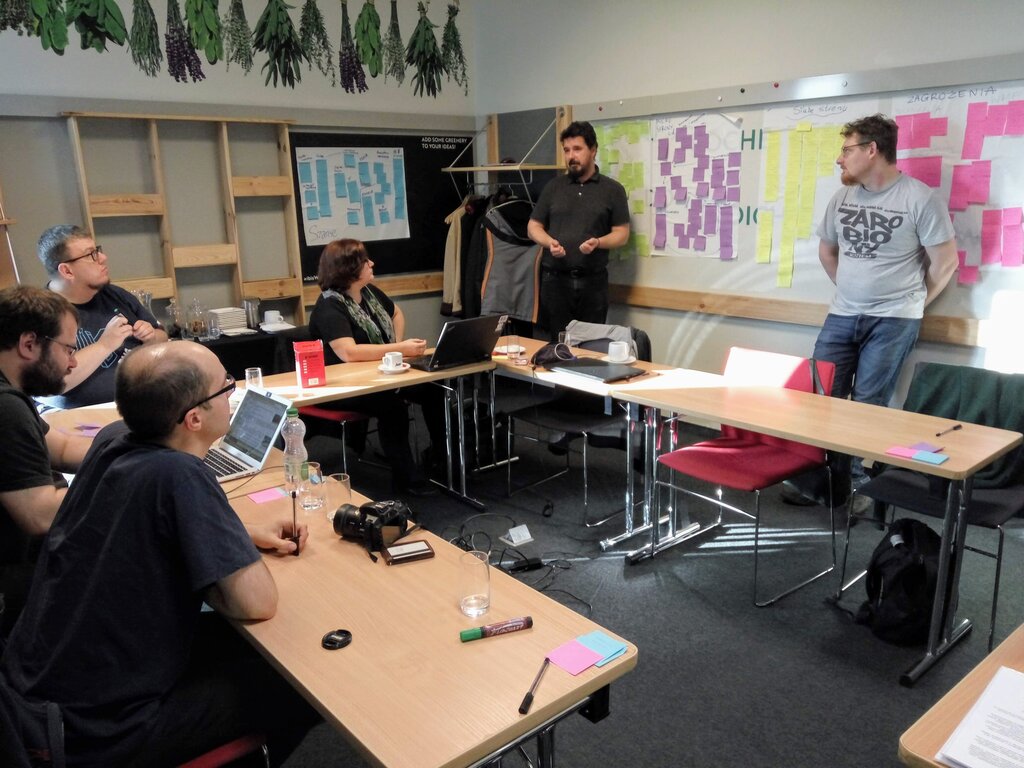
Once the lists are complete, the real work begins. The group analyzes the results to develop a strategy. The goal is to answer questions like:
- How can we use our strengths to take advantage of our opportunities?
- How can we use our strengths to minimize our threats?
- What do we need to do to overcome our weaknesses to pursue opportunities?
- How can we minimize our weaknesses to make us less vulnerable to threats?
The answers to these questions form the basis of an actionable strategic plan.
Benefits and Limitations
The biggest benefit of a SWOT analysis is its simplicity. It's a low-cost way to get a clear overview of the strategic landscape. It helps identify core competencies, highlights areas that need improvement, and uncovers potential opportunities and risks you might not have considered.
However, it has limitations. A SWOT analysis is a snapshot in time; the business environment is constantly changing, so it can become outdated quickly. It can also oversimplify complex issues. The factors listed are often just that—a list. Without careful analysis and prioritization, the framework doesn't automatically lead to a good strategy.
Ultimately, a SWOT analysis is not an answer, but a starting point. It's a tool for organizing information to spark a deeper strategic conversation.
What does the acronym SWOT stand for?
A company's proprietary technology would be classified as which component of a SWOT analysis?