Amazing Axolotls
Axolotl Overview
The Water Dog
Meet the axolotl, a type of salamander that lives its entire life underwater. Its name comes from the Aztec language, Nahuatl, and is often translated as "water dog."
water dog
These unique amphibians are native to a small system of lakes and canals near Mexico City. Unlike many other salamanders you might see on land, axolotls are fully aquatic.
Forever Young
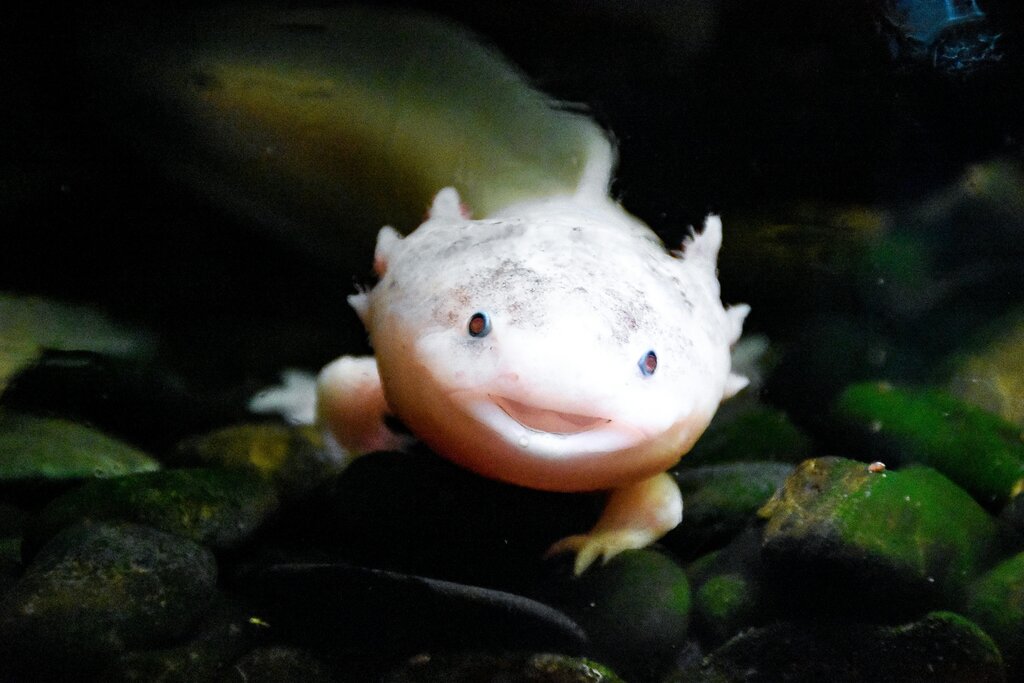
One of the most fascinating things about the axolotl is that it never truly grows up. This phenomenon is called neoteny, which means it keeps its juvenile, or larval, features for its entire life.
Most amphibians, like frogs, start as tadpoles with gills and tails. They undergo metamorphosis to develop lungs and legs for life on land. Axolotls, however, skip this step. They reach adulthood and can reproduce while still looking like oversized tadpoles.
An adult axolotl is essentially a salamander that has remained in its larval stage, living permanently underwater.
You can see these youthful traits in their appearance. They keep their feathery external gills, which branch out from the sides of their head to absorb oxygen from the water. They also have a caudal fin, which runs along their tail and helps them swim. Axolotls typically grow to about 9 inches (23 cm) long and have small, dark eyes without eyelids.
While the pale pink or white axolotl is most famous in captivity, their natural coloring in the wild is typically a mottled brownish-green, which provides camouflage.
A Fragile Home
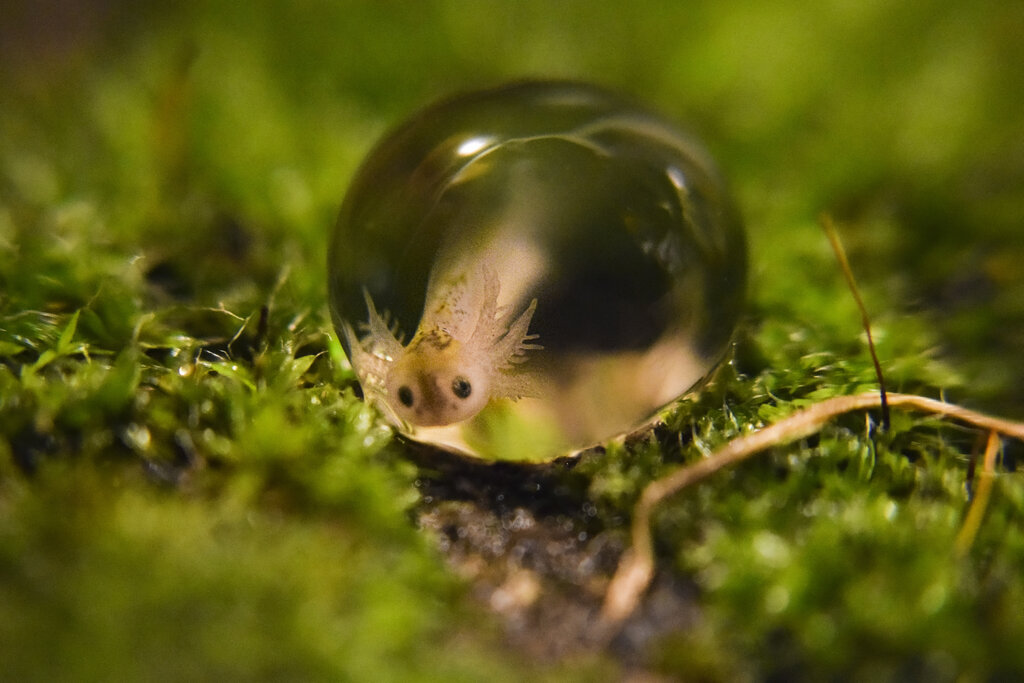
Wild axolotls are found in only one place on Earth: the lake complex of Xochimilco near Mexico City. These historic canals and lakes are all that remain of a vast water system that once existed in the Valley of Mexico. This unique, high-altitude habitat provides the cool, oxygen-rich water that axolotls need to thrive.
Meanwhile, axolotl populations in the wild are estimated to have dropped by more than 80% in less than two decades.
Sadly, this special habitat is under threat. The axolotl is listed as critically endangered. Urban sprawl from Mexico City has led to pollution and the draining of their native waters. Additionally, non-native fish like tilapia and carp have been introduced to the canals. These invasive species prey on young axolotls and compete with them for food.
Conservation efforts are underway to restore the canals of Xochimilco and create protected areas. These initiatives aim to save the wild axolotl from extinction, ensuring the "water dog" can continue to swim in its ancestral home.