Amateur Radio Exam Preparation
Introduction to Amateur Radio
What is Amateur Radio?
Often called “ham radio,” amateur radio is a popular hobby and public service that brings people, electronics, and communication together. It allows enthusiasts to talk across the city, around the world, or even into space using radio waves. Unlike commercial radio, it’s strictly for non-profit purposes—personal enjoyment, self-training, and emergency communication.
Amateur Radio
noun
A non-commercial radio communication service for the purpose of self-training, intercommunication, and technical investigation carried out by amateurs, that is, by duly authorized persons interested in radio technique solely with a personal aim and without pecuniary interest.
Think of it as the original social network. Long before the internet, ham radio operators were building their own equipment and connecting with people they’d never met. The spirit of experimentation and global friendship is still at the heart of the hobby today.
A Quick Trip Through Time
Amateur radio is nearly as old as radio itself. When pioneers like Guglielmo Marconi first demonstrated that wireless communication was possible in the late 1890s, they sparked a wave of excitement. Hobbyists and experimenters jumped in, building their own transmitters and receivers from scratch.
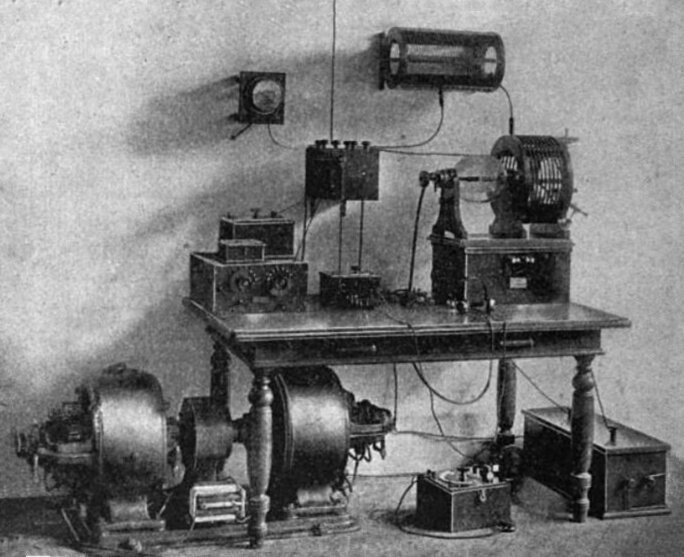
These early operators, or “hams,” played a crucial role in advancing radio technology. They discovered how to send signals over long distances and helped establish the rules and etiquette that govern the airwaves. As technology evolved from bulky spark-gap transmitters to modern digital transceivers, the amateur community has always been at the forefront, exploring new possibilities.
More Than Just a Hobby
While many enjoy amateur radio for the simple pleasure of a conversation, it has a serious side: public service. When natural disasters like hurricanes, earthquakes, or wildfires strike, traditional communication systems often fail. Cell towers go down, and power grids collapse.
In these moments, ham radio operators become a critical communication lifeline. Using their own equipment, often powered by batteries or generators, they can set up emergency networks to coordinate rescue efforts and pass vital information.
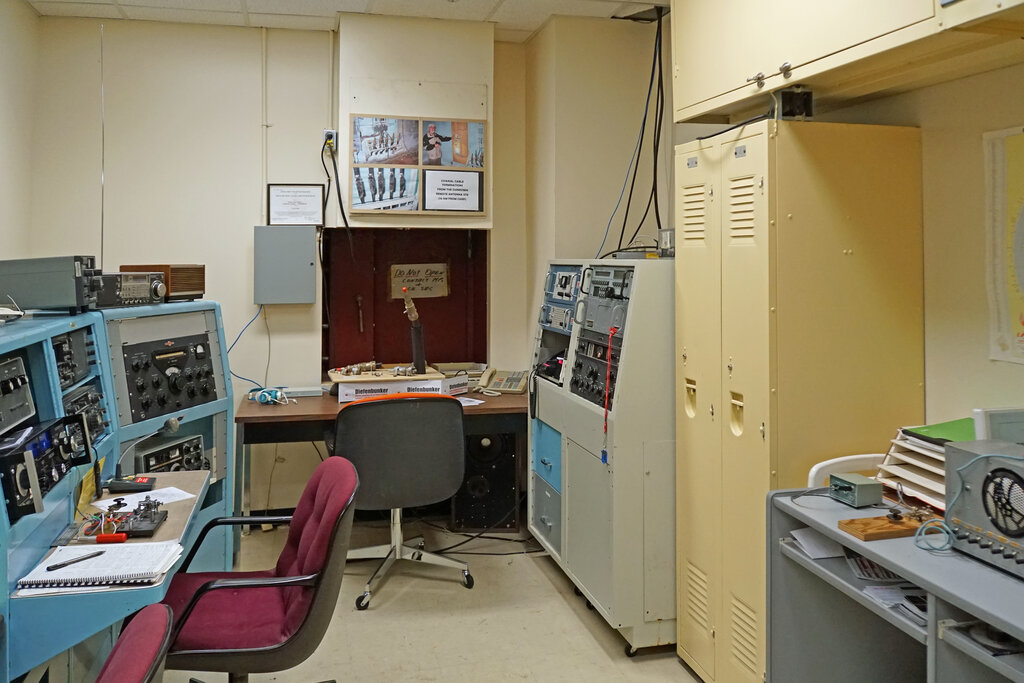
Volunteer organizations like the Amateur Radio Emergency Service (ARES) in the United States train operators to work with agencies like the Red Cross and local emergency management. They practice their skills regularly so they're ready to help when their community needs it most.
A Global Community
Getting an amateur radio license makes you part of a worldwide community of millions. This community is diverse, including students, engineers, pilots, and people from all walks of life. The common thread is a fascination with radio technology and a desire to connect.
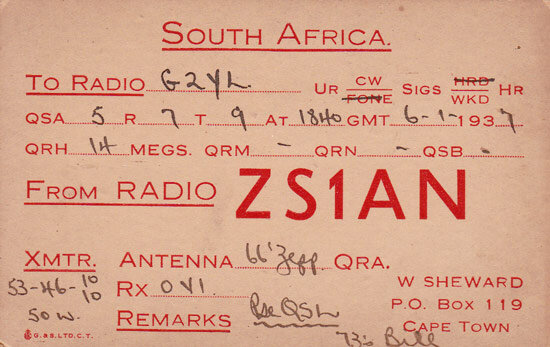
Operators participate in a wide range of activities. Some enjoy casual chats, known as “ragchews.” Others compete in contests to see how many contacts they can make in a weekend. Many enjoy building and testing their own antennas and equipment. A long-standing tradition is to exchange QSL cards—personalized postcards—to confirm a successful contact.
Organizations like the American Radio Relay League (ARRL) in the U.S. and the International Amateur Radio Union (IARU) worldwide help advocate for amateur radio operators and provide resources and support for the hobby. Local clubs are also a great way to meet fellow hams, learn new skills, and get involved in community events.
Now that you know what amateur radio is all about, let's test your knowledge.
What is the primary characteristic of amateur radio?
Amateur radio operators are allowed to broadcast commercial advertisements to earn income.
This introduction has covered the basics of what amateur radio is, its history, and its role in the world. Next, we'll explore the licensing process that opens up the airwaves.