Amanita Muscaria's Rich History
Introduction to Amanita muscaria
The Fly Agaric Mushroom
One of the most recognizable mushrooms in the world is the Amanita muscaria, or fly agaric. Its bright red cap, speckled with white warty spots, looks like something out of a fairytale. These white spots are actually remnants of a membrane called a universal veil, which covers the young mushroom before it emerges from the soil.
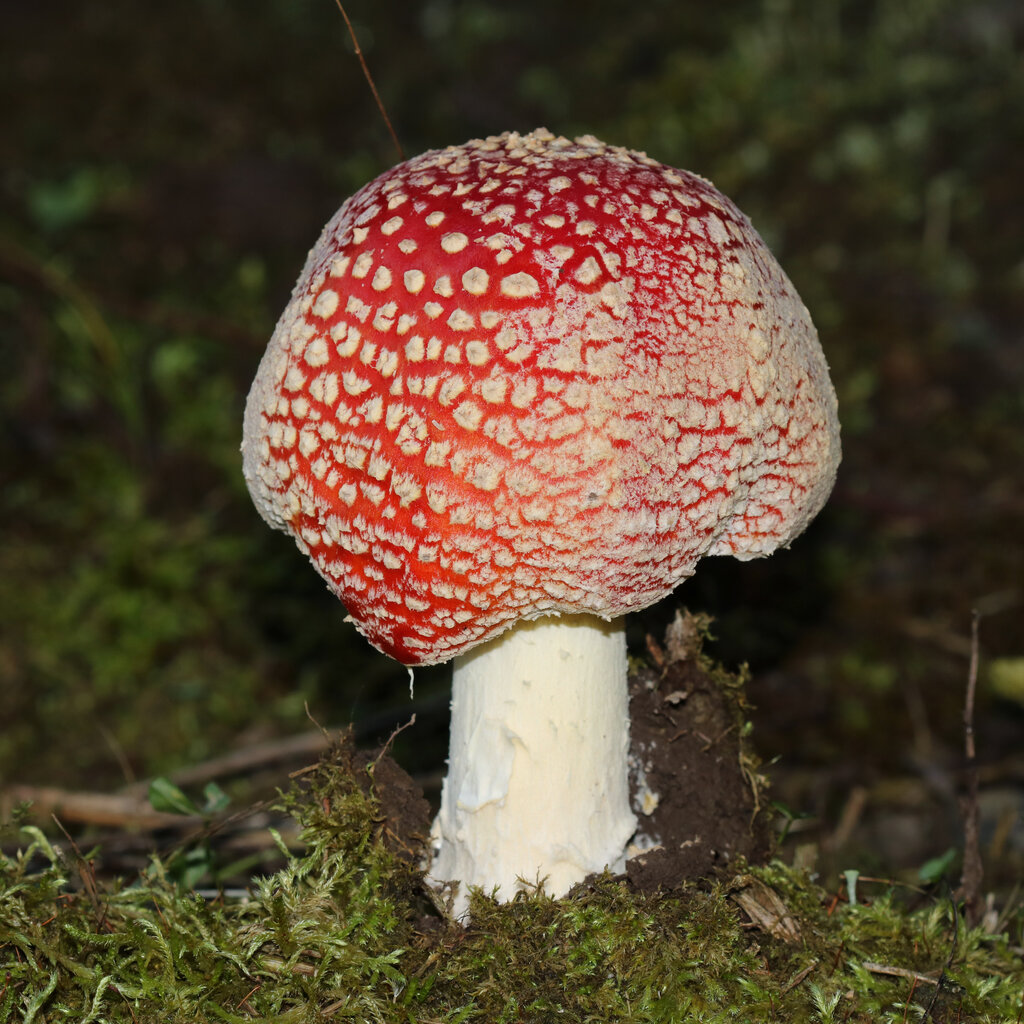
You can find fly agaric in temperate and boreal forests across the Northern Hemisphere. It has a special relationship with the trees it grows near, such as pine, spruce, fir, and birch. This is a symbiotic, or mutually beneficial, partnership known as a mycorrhizal association. The fungus's underground network connects with the tree's roots, helping the tree absorb water and nutrients from the soil. In return, the tree provides the fungus with sugars produced through photosynthesis.
A Potent Chemical Cocktail
The fly agaric is known for its psychoactive properties, which come from two main compounds: ibotenic acid and muscimol. When the mushroom is fresh, it contains mostly ibotenic acid. This compound is a neurotoxin that can cause unpleasant symptoms like sweating, nausea, and muscle twitches.
However, when the mushroom is dried or heated, the ibotenic acid converts into muscimol through a process called decarboxylation. Muscimol is the primary psychoactive substance. It affects the brain differently, acting on GABA receptors, which are responsible for calming down nerve activity. This interaction can lead to a range of effects, including sedation, a dream-like state, altered perception of sight and sound, and a loss of muscle coordination.
The effects of consuming Amanita muscaria are highly variable and unpredictable, depending on the mushroom's age, location, and how it's prepared.
Toxicity and Preparation
Despite its striking appearance, Amanita muscaria is poisonous. Eating it raw can lead to severe gastrointestinal distress and neurological symptoms due to the ibotenic acid. Fatalities are rare but possible, especially in children or if a large amount is consumed.
Historically, cultures that used this mushroom developed preparation methods to reduce its toxicity. Boiling the mushroom in water multiple times and discarding the water can remove a significant portion of the water-soluble ibotenic acid. Drying the mushroom also helps convert the more toxic ibotenic acid into the less toxic, more psychoactive muscimol.
Understanding these components of mushroom anatomy is crucial, especially for those engaged in foraging, as it can aid in correctly identifying edible mushrooms and distinguishing them from poisonous varieties.
A Natural Insecticide
The mushroom's common name, fly agaric, hints at one of its historical uses. For centuries, people in parts of Europe and Asia used it as a primitive fly trap. They would break up pieces of the mushroom cap and place them in a saucer of milk.
Flies are attracted to the ibotenic acid. After drinking the milk, they would become disoriented and either drown or become incapacitated. This simple but effective method was a common way to control household pests long before modern insecticides were invented.
Now let's review the key characteristics of this famous fungus.
What are the white spots on the cap of an Amanita muscaria mushroom?
What is the term for the mutually beneficial relationship between the Amanita muscaria and trees like pine and birch?