Alzheimer's Disease Epidemiology
Introduction to Alzheimer's Disease
What Is Alzheimer's Disease?
Alzheimer's disease (AD) is the most common neurodegenerative disease in older people.
Alzheimer's is a progressive brain disorder that slowly destroys memory and thinking skills. At its core, it's a disease where brain cells, or neurons, weaken and die. This process isn't sudden; it happens gradually over many years, leading to a decline in cognitive function known as dementia.
dementia
noun
A general term for a decline in mental ability severe enough to interfere with daily life. Alzheimer's is the most common cause of dementia.
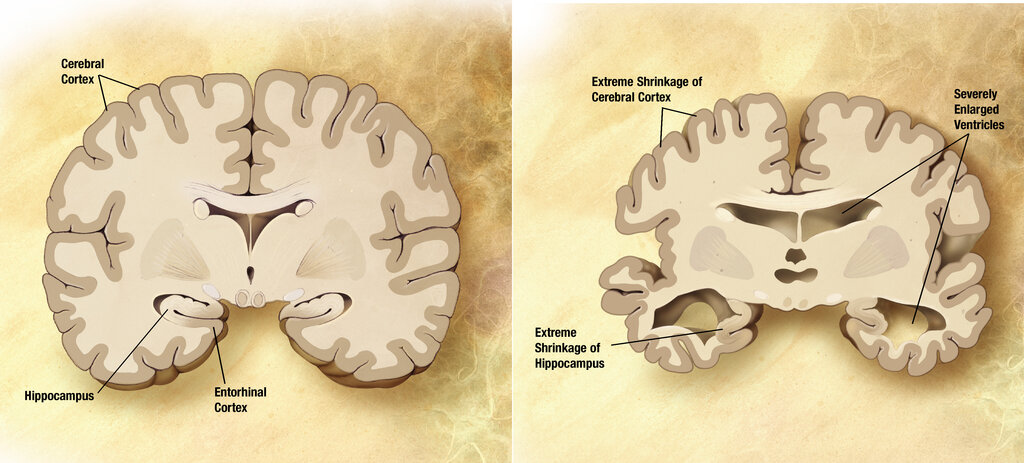
As the disease advances, it causes significant brain shrinkage. The connections between neurons are lost, and key areas involved in memory, thought, and planning deteriorate. This physical damage to the brain is what drives the symptoms of the disease.
Recognizing the Symptoms
The most well-known symptom of Alzheimer's is memory loss, particularly forgetting recently learned information. Someone might ask the same question repeatedly or rely heavily on memory aids. But the disease affects more than just memory.
Other common signs include:
- Difficulty with problem-solving: Trouble following a familiar recipe or managing monthly bills.
- Confusion with time or place: Losing track of dates, seasons, and the passage of time.
- Language problems: Struggling to find the right words or follow a conversation.
- Poor judgment: Making uncharacteristic decisions, especially with money or personal hygiene.
- Changes in mood and personality: Becoming confused, suspicious, depressed, fearful, or anxious.
These symptoms start mild and become more severe over time, eventually interfering with a person's ability to carry out everyday tasks.
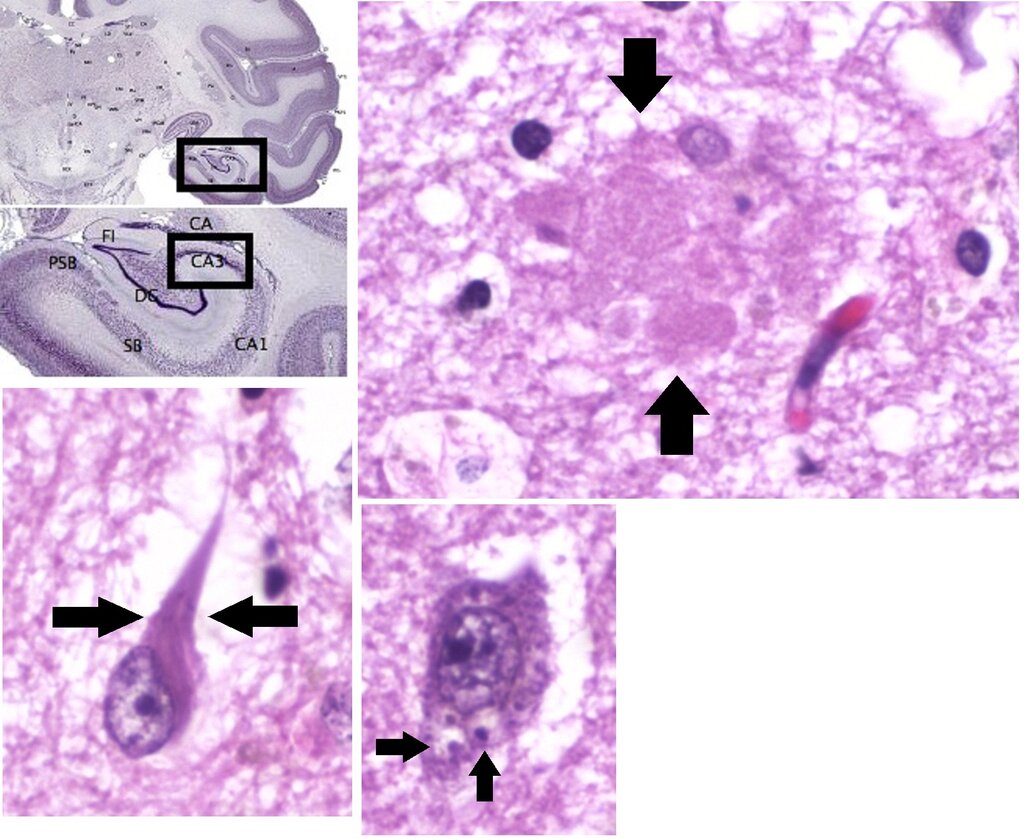
These clinical features are caused by two main types of damage in the brain. The first is the formation of amyloid plaques, which are sticky clumps of protein that build up between neurons. The second is the development of neurofibrillary tangles, which are twisted fibers of another protein that form inside dying cells.
Alzheimer's vs. Other Dementias
Dementia is an umbrella term, and Alzheimer's is just one type, though it is the most common. It's important to distinguish it from other forms, as symptoms and progression can differ.
| Dementia Type | Primary Cause/Feature | Key Early Symptom |
|---|---|---|
| Alzheimer's Disease | Plaques and tangles in the brain | Difficulty remembering new information |
| Vascular Dementia | Damage from reduced blood flow to the brain | Problems with reasoning and judgment |
| Lewy Body Dementia | Abnormal protein deposits (Lewy bodies) | Sleep disturbances, visual hallucinations |
| Frontotemporal Dementia | Nerve cell loss in frontal and temporal lobes | Changes in personality and behavior |
While there is some overlap, the initial symptoms and the underlying cause are often distinct. A proper diagnosis is crucial for understanding the prognosis and managing symptoms effectively.
What is the primary process that occurs in the brain during the progression of Alzheimer's disease?
Which of the following best describes the relationship between dementia and Alzheimer's disease?
Understanding the basics of Alzheimer's is the first step in recognizing its impact and the challenges it presents.