Aluminum Can Cleaning Techniques
Aluminum Can Recycling Overview
The Journey of a Can
An aluminum can is a marvel of recycling. Unlike many other materials that degrade over time, aluminum can be recycled over and over again without losing its quality. This makes it one of the most sustainable materials on the planet.
Aluminium is 100% recyclable and retains its properties even after multiple life cycles.
Recycling an aluminum can uses about 95% less energy than making a new one from raw materials. That's a huge energy saving, which means a much smaller environmental footprint. Every can you recycle contributes to this incredible cycle.
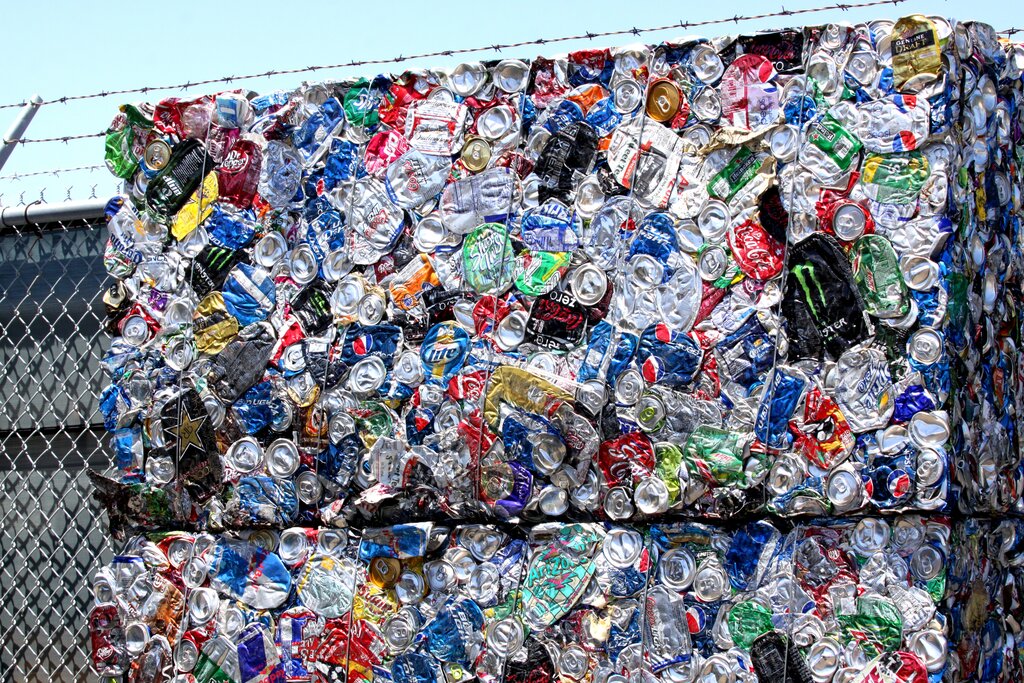
From Bin to New Can
The recycling process is a streamlined journey that transforms your used can back into a new product on the shelf in as little as 60 days. It begins the moment you place your can in a recycling bin.
At the recycling facility, cans are sorted from other materials, often using large magnets to remove steel items. The aluminum cans are then shredded into small, chip-like pieces.
These pieces are melted down in a giant furnace, reaching temperatures over 1220°F (660°C). During this stage, impurities are burned off, and the pure, molten aluminum is poured into massive molds to cool. The resulting blocks, called ingots, can each weigh up to 30,000 pounds. Finally, these ingots are rolled into thin sheets, which manufacturers use to create brand new cans.
Why Cleaning Matters
For this whole process to work efficiently, the aluminum needs to be as pure as possible. That’s where you come in. The journey to high-quality recycled material starts with a clean can.
Food residue, leftover liquids, and other debris left inside cans are contaminants. They can interfere with the melting process and lower the quality of the final recycled aluminum.
When contaminated aluminum is melted, the impurities can introduce weaknesses or inconsistencies into the metal. This might make the resulting aluminum unsuitable for making new cans, defeating the purpose of the closed-loop cycle. A simple rinse to remove leftovers ensures that the aluminum collected is of the highest possible grade.
By taking a moment to clean your cans, you help guarantee that the material remains valuable and can be used to its full potential, continuing its cycle of endless recyclability.
How much less energy is required to recycle an aluminum can compared to producing a new one from raw materials?
True or False: Aluminum loses a significant amount of quality and integrity each time it is recycled.