Alternative Data and Facteus
Introduction to Alternative Data
Beyond the Balance Sheet
For decades, investors and analysts relied on a standard toolkit of information. They poured over financial statements, government reports, and stock market data. This is traditional data—the official, structured numbers that tell a part of a company's story.
But what about the rest of the story? What about the clues hidden in plain sight, scattered across the internet and the physical world? This is where alternative data comes in. It’s information gathered from non-traditional sources that can provide an edge in understanding a company, an industry, or the economy as a whole.
One of the most significant breakthroughs in the hedge fund world is the rise of alternative data.
Think of it like this: a company’s quarterly report is a polished, professional headshot. It’s accurate, but it’s also carefully posed. Alternative data is like a collection of candid photos—it shows what’s happening day-to-day, capturing trends and shifts long before they appear in an official report.
Sources of Insight
Alternative data can come from almost anywhere. The digital world has created a massive trail of information that, when analyzed, can reveal powerful insights. Here are some of the most common types:
| Data Type | Source | What It Can Reveal |
|---|---|---|
| Satellite Imagery | Satellites orbiting Earth | Activity at ports, traffic in store parking lots, crop health, or oil storage levels. |
| Social Media Activity | Platforms like X or Reddit | Public sentiment about a brand, interest in a new product, or early signs of a cultural trend. |
| Web Scraping | Automated collection from websites | Changes in product pricing, number of job postings at a company, or customer review trends. |
| Geolocation Data | Mobile phone apps (anonymized) | Foot traffic patterns to retail stores, restaurants, or theme parks. |
By combining these varied sources, analysts can build a much richer, more timely picture of a company's performance. For example, satellite images showing full parking lots at a retailer every weekend, combined with positive social media sentiment, could signal strong sales before the company officially announces its earnings.
A Word of Caution
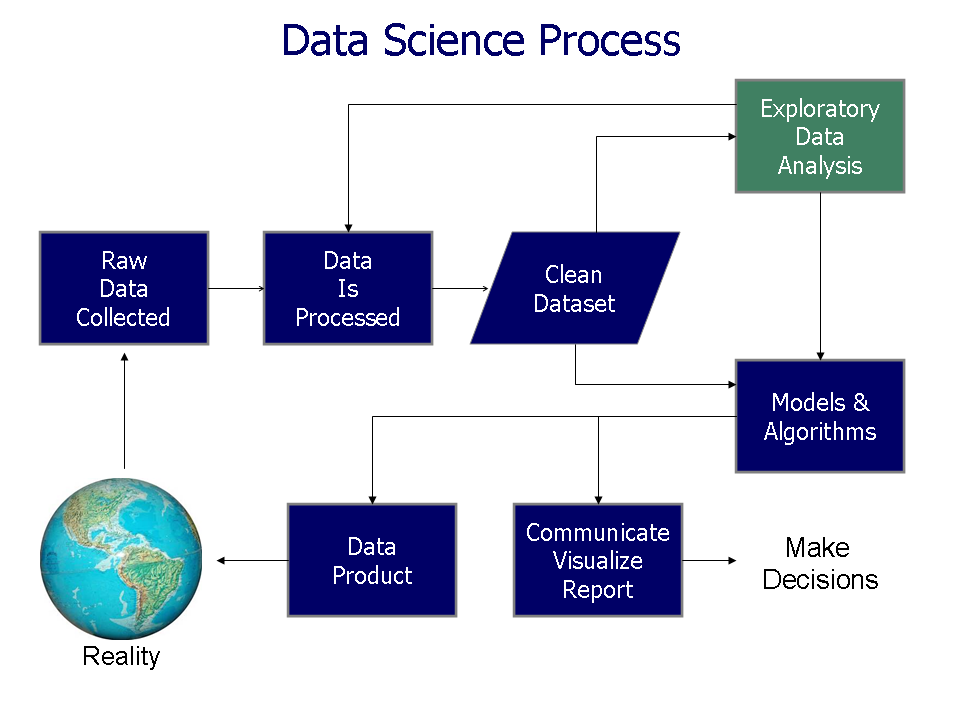
While powerful, alternative data isn't a magic bullet. It comes with its own set of challenges. First, there's the issue of data quality. The information can be messy, unstructured, and noisy. It takes sophisticated tools and expertise to clean it and find the real signal.
Privacy is another major concern. Much of this data is generated by people, and using it ethically and legally is paramount. Regulations around data privacy, like GDPR in Europe, are constantly evolving, and companies using alternative data must navigate a complex legal landscape. Ensuring that personal information is anonymized and handled responsibly is a critical, non-negotiable step.
The CFPB is looking into privacy and security issues in the use of alternative data that contains sensitive personal information.
Finally, just because you have data doesn't mean it's useful. Finding a true correlation between a dataset and a business outcome requires careful testing and validation. A dataset might seem promising, but without rigorous analysis, it could lead to poor decisions.
What is the primary characteristic of alternative data?
An investor wants to predict a coffee shop chain's sales before its official earnings are released. Which of the following would be an example of alternative data they might use?
Despite the hurdles, alternative data has fundamentally changed the landscape of analysis, offering a deeper, more dynamic view of the world.