Alluvial Mining Essentials
Introduction to Alluvial Mining
Mining Rivers and Streams
Alluvial mining is one of the oldest ways to find valuable minerals. Instead of digging deep into the earth to break apart hard rock, this method focuses on sifting through sand, gravel, and silt that has been moved and deposited by water. These collections of loose material, known as alluvial deposits, are often found in riverbeds, floodplains, and deltas.
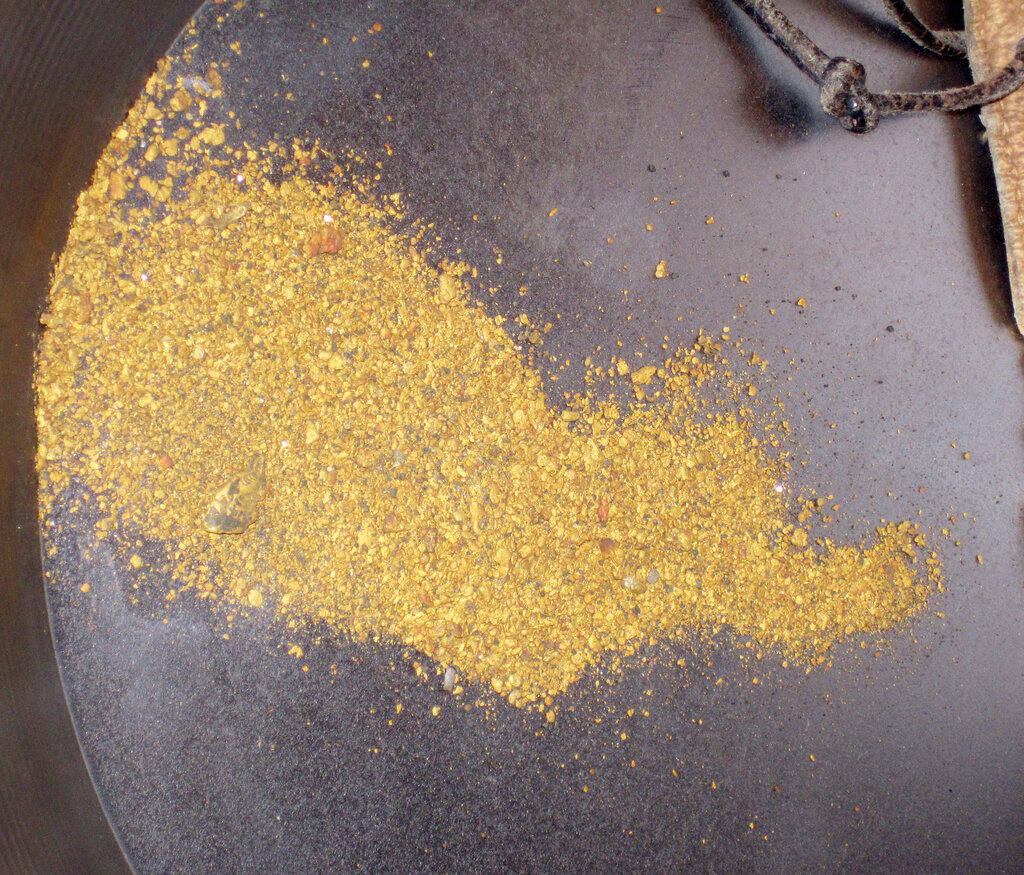
The process works because nature has already done most of the heavy lifting. Over thousands of years, water erodes mountains and rocks, carrying away tiny particles. Heavier, denser minerals—like gold, diamonds, tin, and platinum—settle out of the water current wherever it slows down. This concentrates them in specific spots, creating natural treasure troves.
A Journey Through Time
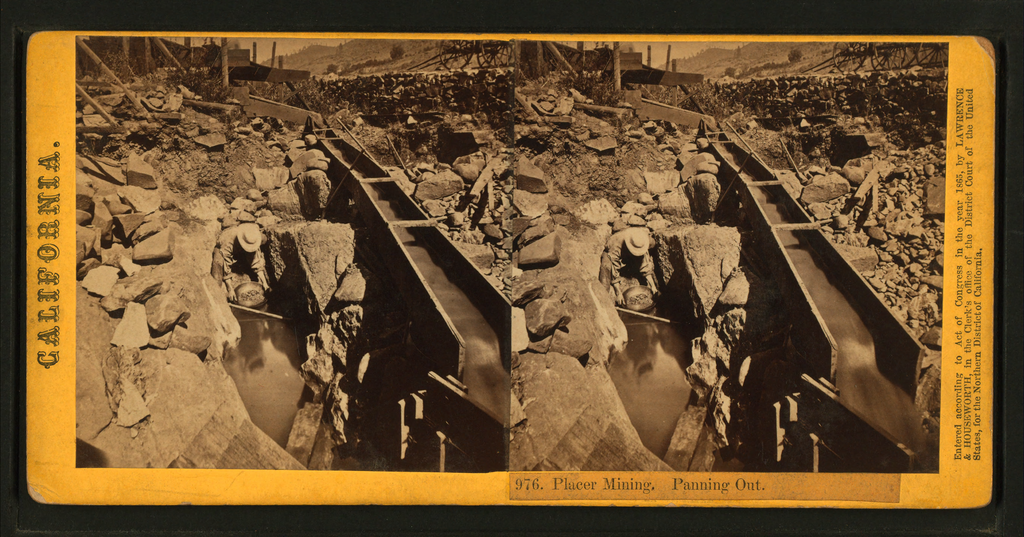
Because it doesn't require advanced technology, alluvial mining has been used for millennia. Ancient civilizations panned for gold in rivers, and this simple method fueled famous gold rushes, like those in California in the 1840s and the Klondike in the 1890s. Prospectors with little more than a pan and a shovel could find fortunes by patiently working the riverbanks.
This historical significance is tied to its accessibility. Alluvial mining targets minerals that are already freed from their host rock and sitting near the surface.
How Nature Makes a Mine
The formation of an alluvial deposit is a slow, steady geological story that unfolds in three main acts: weathering, erosion, and deposition.
First, weathering breaks down large rock formations. Wind, rain, ice, and chemical reactions chip away at mountains containing veins of minerals like gold. This process frees the valuable minerals from the surrounding rock.
Next, erosion and transport begin. Rainwater and streams wash the loosened rock and mineral particles downhill. Rivers act like massive conveyor belts, carrying this sediment for miles. Lighter materials like sand and clay are easily swept along, while heavier minerals tumble along the riverbed.
Finally, deposition occurs. When a river's current slows down—perhaps at a bend, behind a large boulder, or where it widens into a plain—it loses energy. It can no longer carry the heavier particles, so they drop out and settle. Over time, these minerals accumulate in concentrated areas called placer deposits.
Alluvial deposits are found all over the world, from the rivers of Brazil and Colombia to the coastal plains of Sierra Leone and Namibia. They are economically vital in many regions, often supporting artisanal and small-scale mining communities. Mapping these deposits involves understanding local geology and the history of its river systems.
At its heart, alluvial mining is about reading the story written by water and rock over geologic time. It’s a hunt for treasures that nature has already uncovered, sorted, and conveniently placed for us to find.