Alligators vs Crocodiles
Introduction to Crocodilians
Meet the Crocodilians
Crocodilians are a group of large, predatory reptiles that are masters of the water and the land's edge. This ancient order, called Crocodylia, includes some of the world's most formidable hunters: crocodiles, alligators, caimans, and gharials. As reptiles, they are vertebrates with scales, breathe air, and are ectothermic, meaning they rely on external sources to regulate their body temperature.
Crocodylia
noun
An order of large, predatory, semiaquatic reptiles, which appeared about 250 million years ago. Its living members include crocodiles, alligators, caimans, and gharials.
They are among the most evolutionarily successful reptiles, having survived for millions of years with a body plan that has changed very little.
A Link to the Dinosaurs
The story of crocodilians begins around 250 million years ago, during the Triassic period. They belong to a group called Archosauria, or the "ruling reptiles." This is the same group that included the dinosaurs. While the non-avian dinosaurs died out 66 million years ago, the crocodilians survived. This makes them one of the few living links to that prehistoric world. In fact, their closest living relatives are not other reptiles like lizards or snakes, but birds.
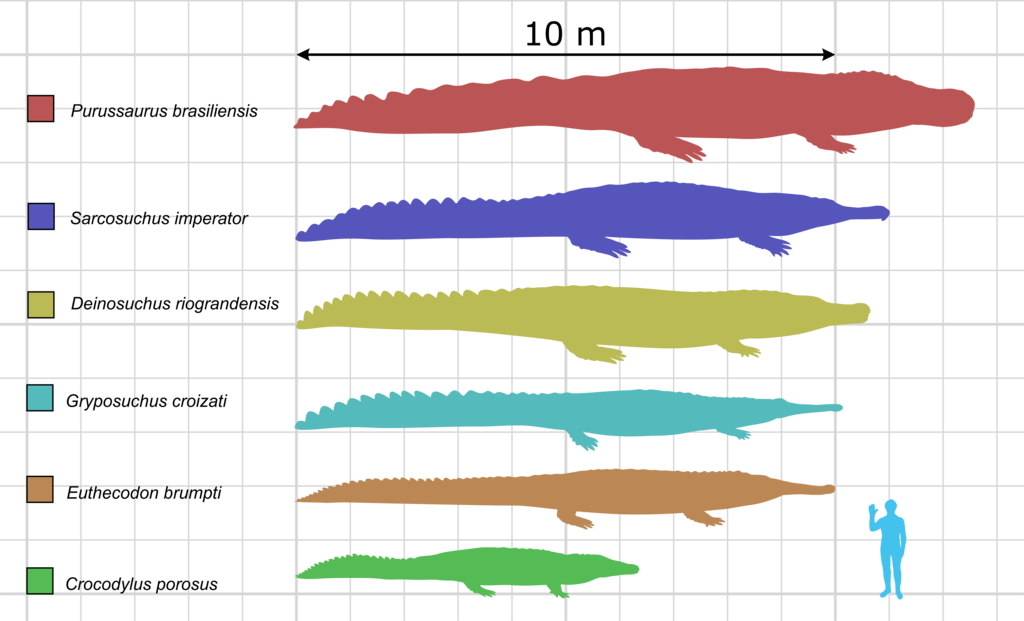
Ancient crocodilians were incredibly diverse. Some were giants, like Sarcosuchus imperator, which grew up to 12 meters long. Others were small, fast-moving land predators, and some even adapted to a fully marine lifestyle. The ones we see today are the survivors of this long and varied history.
Built to Survive
The crocodilian body is a masterpiece of predatory design. They have powerful jaws filled with conical teeth designed for gripping, not chewing. When a tooth is lost, a new one grows in its place.
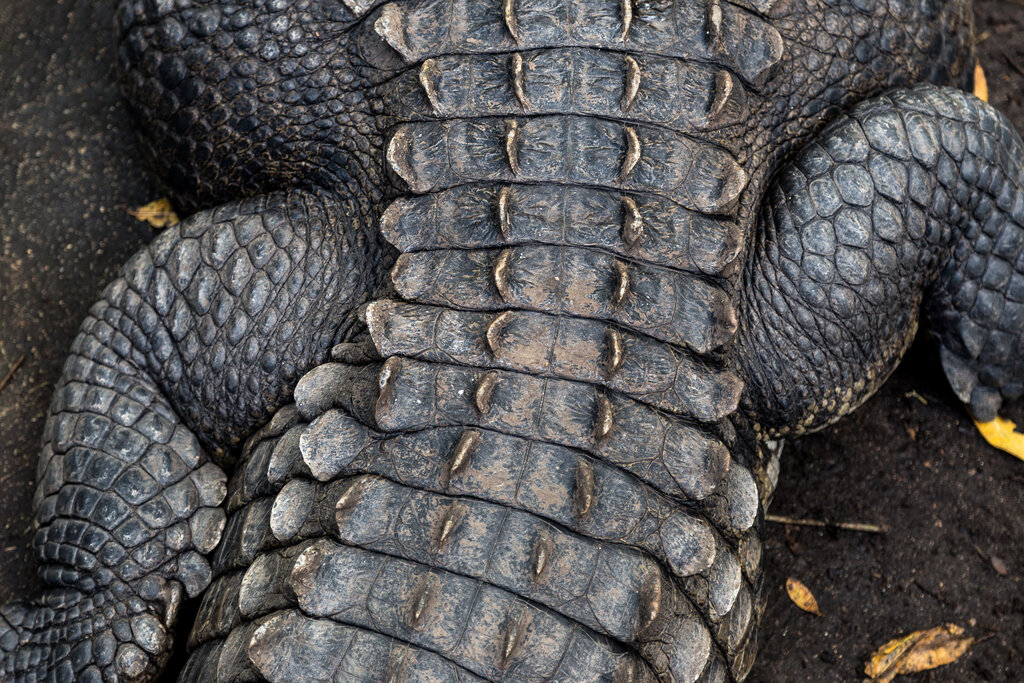
Their skin isn't just leathery; it's armored. Embedded within the scales are bony plates called osteoderms, which act like a suit of chain mail, protecting them from rivals and prey that fight back.
Internally, crocodilians have a unique feature among living reptiles: a four-chambered heart. This is the same type of heart found in birds and mammals. It allows for a highly efficient circulatory system that separates oxygenated and deoxygenated blood, supporting their energetic, ambush-predator lifestyle.
A four-chambered heart gives crocodilians the stamina needed for explosive attacks and for holding their breath underwater for long periods.
A Global Presence
Crocodilians are found in tropical regions around the globe, including the Americas, Africa, Asia, and Australia. They are semiaquatic, meaning they are adapted for life both in water and on land.
Their habitats are diverse, ranging from freshwater rivers, lakes, and wetlands to brackish estuaries and even saltwater marine environments. They spend much of their time in the water, where they are stealthy and efficient swimmers, but they come ashore to bask in the sun, nest, and sometimes travel between bodies of water.
Ready to test your knowledge about these incredible survivors?
Crocodilians belong to a group of 'ruling reptiles' that also included dinosaurs. What is this group called?
What is the primary advantage of the four-chambered heart found in crocodilians, a feature unique among living reptiles?
This introduction covers the basics of what makes a crocodilian. From their ancient lineage to their specialized anatomy, they are a truly unique and resilient group of animals.