Alleged US Capture of Venezuelan President
Venezuelan Political History
The Bolivarian Revolution
In 1998, Venezuela elected Hugo Chávez, a former military officer who promised to upend the country's political and economic order. His victory marked the beginning of what he called the “Bolivarian Revolution,” a movement named after Simón Bolívar, the 19th-century leader who liberated much of South America from Spanish rule.
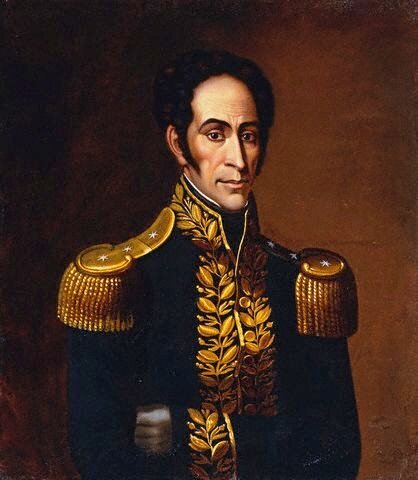
Chávez's platform was built on socialist principles. He aimed to redistribute Venezuela's vast oil wealth to the poor through a series of social welfare programs called misiones (missions). These programs provided services like healthcare, subsidized food, and education to millions of Venezuelans who had long been neglected by the state.
Once in power, he launched what he called the Bolivarian Revolution, named after Simon Bolivar, the South American independence leader.
To fund these initiatives, Chávez's government took greater control over the economy. It nationalized key industries, including the state-owned oil and natural gas company, PDVSA. For a time, high global oil prices fueled a boom in government spending, lifting many out of poverty and earning Chávez widespread support among the working class. His foreign policy also shifted dramatically, as he forged close alliances with anti-U.S. governments in Cuba, Russia, and Iran.
Maduro Takes Power
After Hugo Chávez died of cancer in 2013, his handpicked successor, Nicolás Maduro, became president. Maduro promised to continue the Bolivarian Revolution, but he inherited a country facing severe challenges. The oil prices that had propped up Chávez's spending began to collapse, exposing deep-seated economic problems.
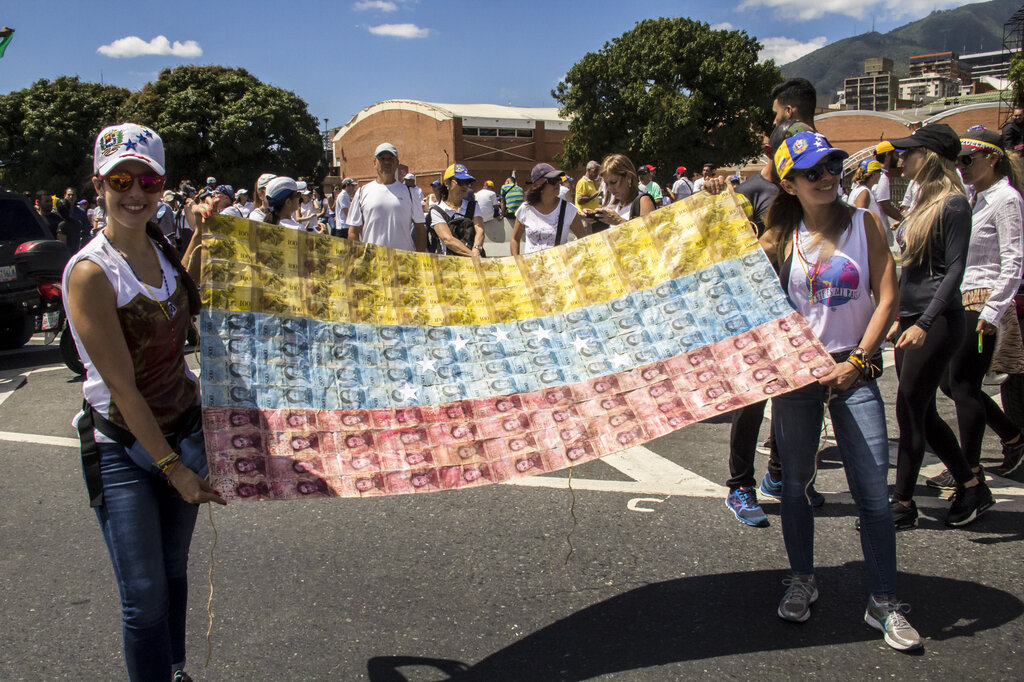
Under Maduro's leadership, the Venezuelan economy spiraled into a catastrophic crisis. Mismanagement and corruption, combined with the fall in oil revenue, led to hyperinflation. The currency became nearly worthless. Shortages of food, medicine, and other basic goods became rampant, leading to a humanitarian emergency. Millions of Venezuelans fled the country in search of better living conditions, creating one of the largest refugee crises in the world.
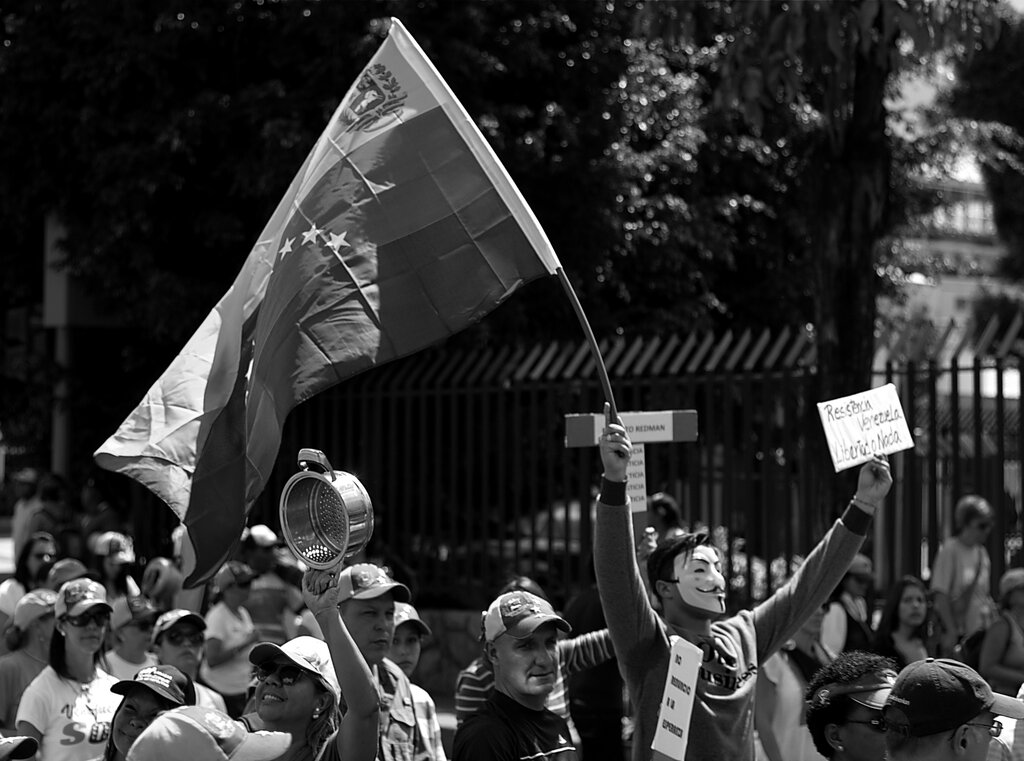
The government's response to the crisis was to tighten its grip on power. Maduro cracked down on political dissent, jailing opposition leaders and suppressing protests. In 2017, he created a new Constituent Assembly, stacked with his supporters, to rewrite the constitution and sideline the opposition-controlled National Assembly.
International Pressure Mounts
The deteriorating situation in Venezuela drew widespread international condemnation. The United States, the European Union, and many Latin American countries refused to recognize the legitimacy of Maduro's 2018 re-election, citing widespread irregularities. They instead recognized opposition leader Juan Guaidó as the legitimate interim president.
Washington views President Nicolás Maduro’s government as an authoritarian regime undermining democracy, enabling narco-terrorism, and destabilizing the hemisphere through mass migration and ties with adversaries like Russia, China, and Iran.
In response to what they saw as Maduro's slide into dictatorship, the U.S. and other nations imposed heavy economic sanctions. These sanctions targeted the Venezuelan government and its officials, aiming to cut off their access to international financial systems and pressure Maduro to step down. However, Maduro retained the loyalty of the military and the support of allies like Russia, China, and Cuba, allowing him to hold onto power despite the immense internal and external pressure.
What was the name Hugo Chávez gave to his political and social movement in Venezuela?
The social welfare programs known as misiones, which provided healthcare and subsidized food, were primarily funded by revenue from which industry?
This combination of internal collapse and international standoff set a volatile stage, pushing Venezuela deeper into crisis and isolating it from many of its traditional partners.