All About Spiders
Introduction to Spiders
What is a Spider?
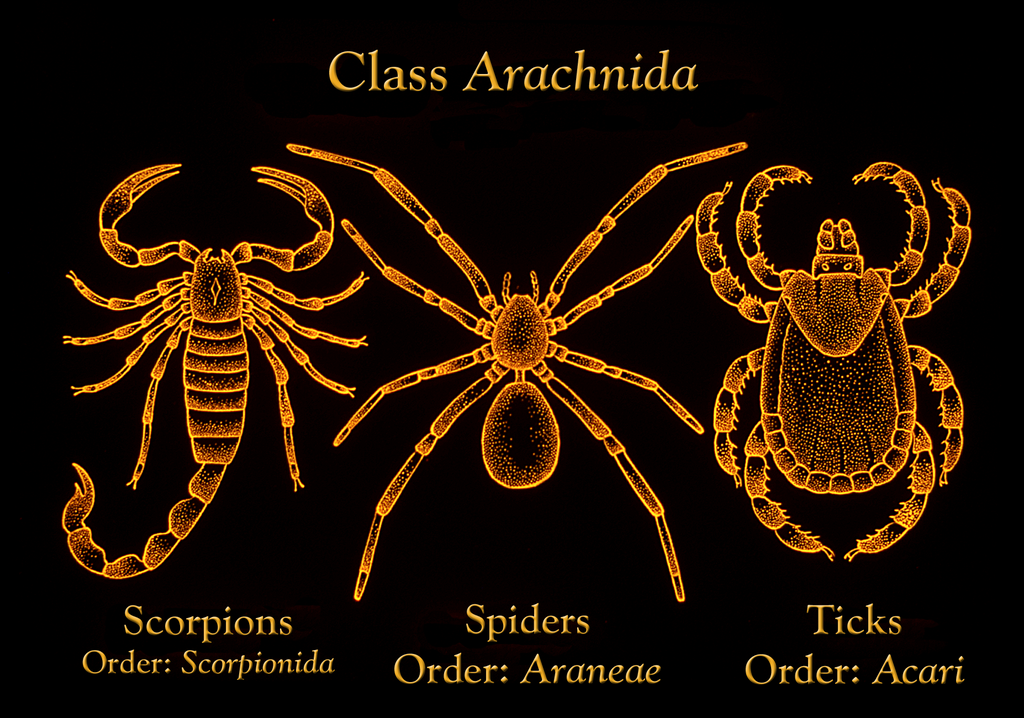
Spiders are everywhere, but they're often misunderstood. They aren't insects, even though they're both small creatures with lots of legs. Spiders belong to a special group of animals called arachnids.
Arachnid
noun
A class of joint-legged invertebrate animals, in the subphylum Chelicerata. All arachnids have eight legs, although the front pair of legs in some species has converted to a sensory function.
This group also includes scorpions, ticks, and mites. To be classified as a spider, an animal must belong to the order Araneae. They are one of the most diverse groups of animals on the planet, with tens of thousands of known species living in almost every habitat imaginable.
Spotting a Spider
So, how can you tell a spider from an insect? There are a few key features that give them away. The most obvious one is the leg count: spiders have eight legs, while insects have six.
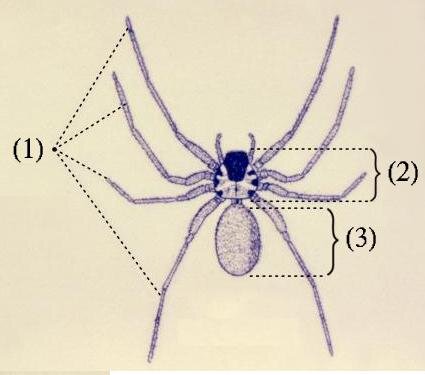
Another major difference is their body structure. A spider's body has two main parts: the cephalothorax and the abdomen. The cephalothorax is a fused head and thorax where the legs and eyes are attached. The abdomen is the back part of the spider.
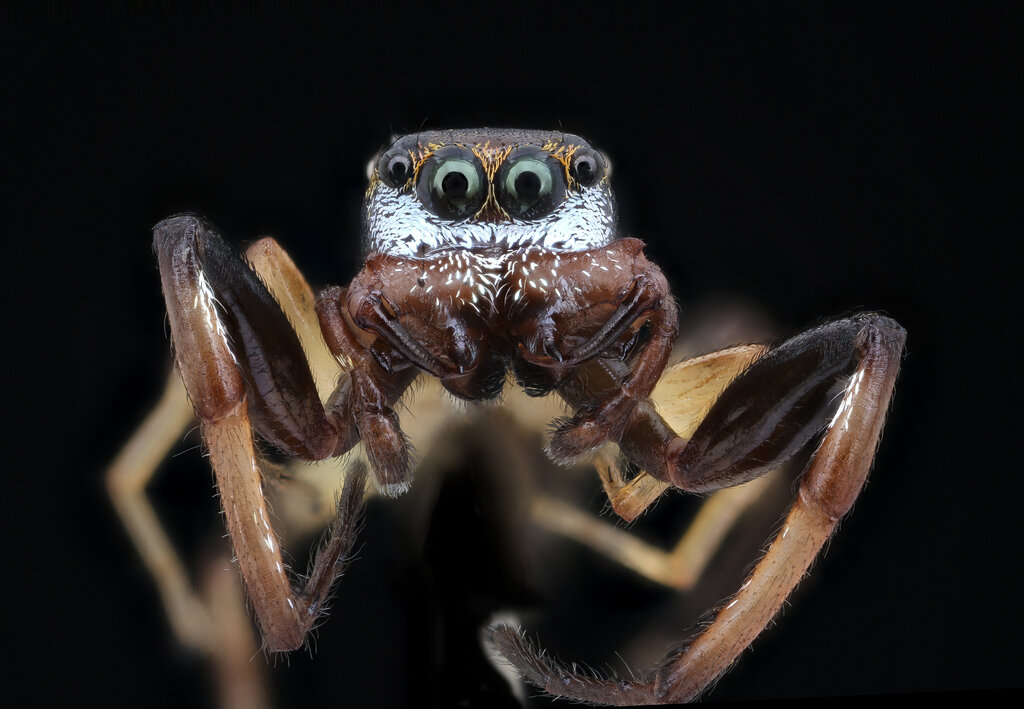
Most spiders also have multiple pairs of simple eyes, unlike the large, compound eyes of many insects. This gives some of them a very distinct and striking appearance up close.
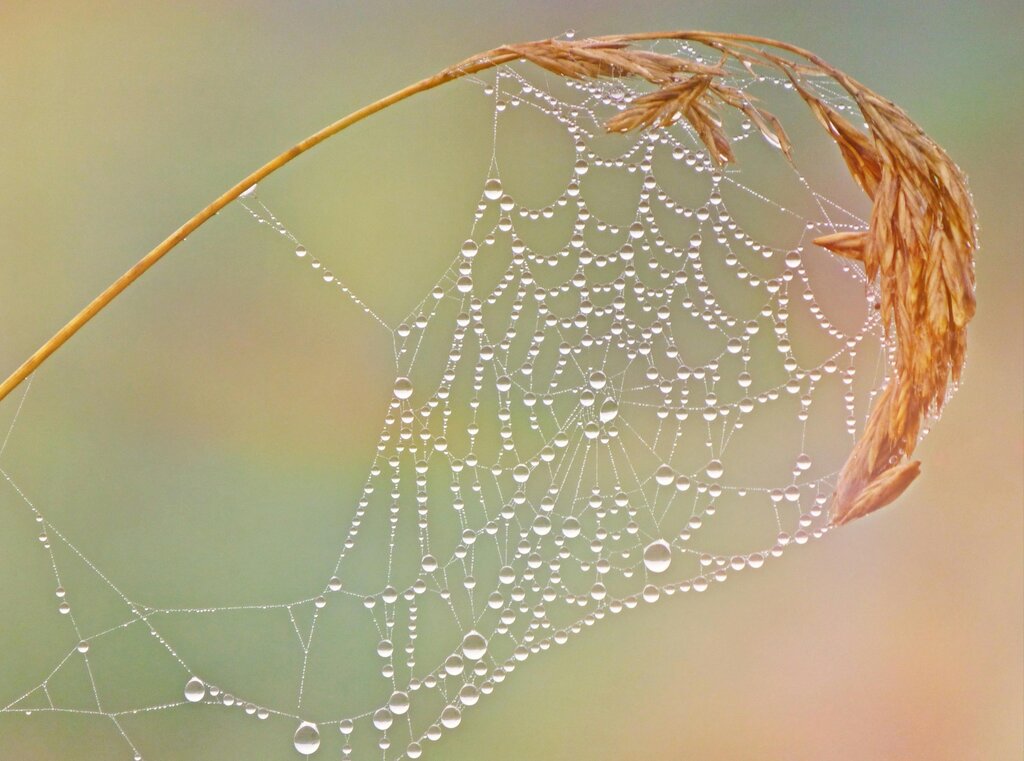
Finally, one of the most fascinating features of spiders is their ability to produce silk. They use it for many purposes, from building webs for catching prey to creating shelters and protecting their eggs. Not all spiders build the classic circular webs you might imagine, but they all produce silk.
Nature's Pest Control
Spiders play a crucial role in our ecosystems. They are skilled predators that help keep insect populations in check. By feeding on common pests like mosquitoes, flies, and aphids, spiders provide a natural form of pest control that benefits both agriculture and human health.
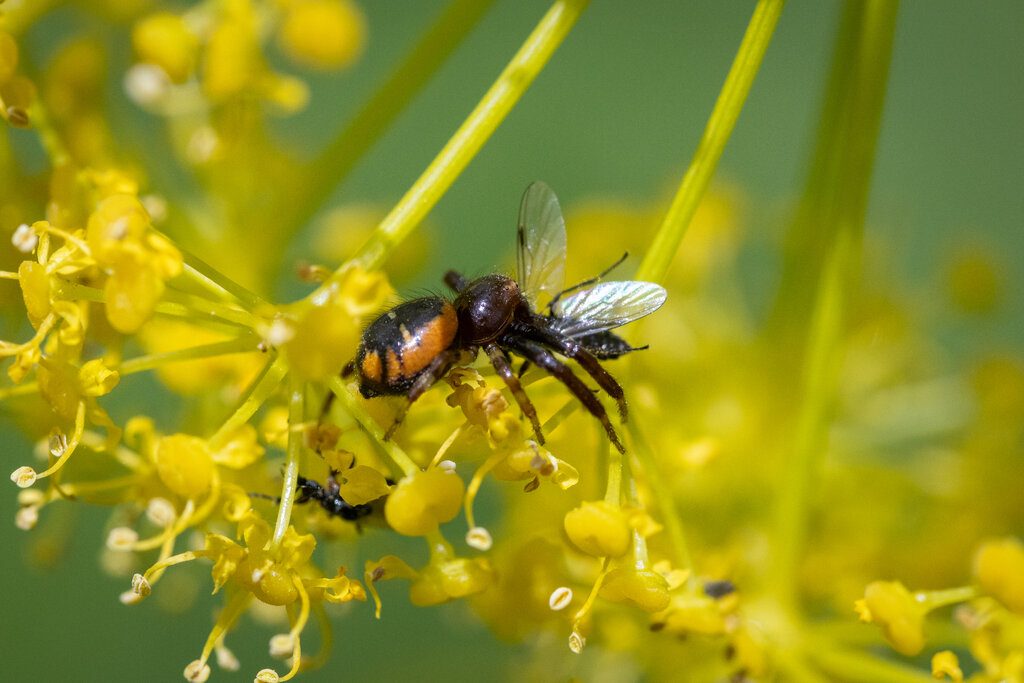
Without spiders, insect populations could grow out of control, leading to crop damage and the spread of diseases. They are a vital part of the food web, serving as both predator and prey, and their presence is a sign of a healthy, balanced environment.
A world without spiders would be a world with more pests and a less stable ecosystem.
Now that you know the basics of what makes a spider a spider, let's test your knowledge.