Alienation of Municipal Property in Bolivia
Introduction to Municipal Property in Bolivia
What a City Owns
Autonomous municipal governments in Bolivia, like cities everywhere, own property. This isn't just about the city hall building. Municipal property includes all the assets and rights belonging to the local government. These assets are essential for providing public services and managing the city's development. Think of everything from public parks and roads to office equipment and vehicles. All of these fall under the umbrella of municipal property.
The law, however, doesn't treat all municipal property the same way. It splits everything into two distinct categories: public domain assets and private regime assets. This distinction is crucial because it determines how the property can be used, managed, and whether it can be sold or transferred.
Public vs. Private
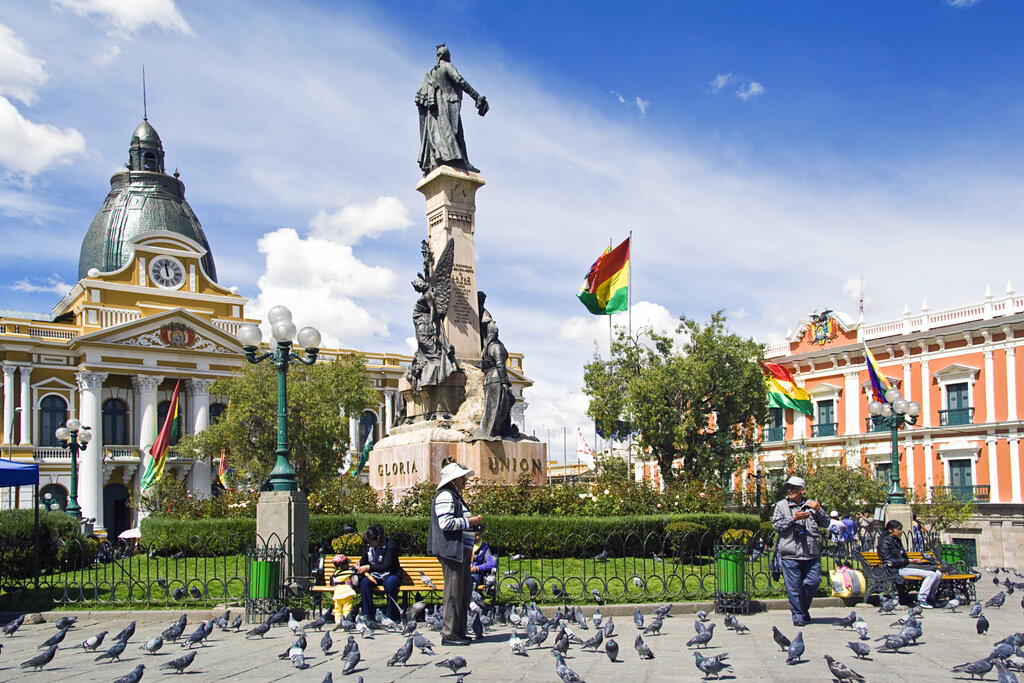
Public domain assets are properties intended for direct use by the community. They are the core of public service. These assets are considered inalienable, meaning they cannot be sold or given away as long as they serve a public purpose. They are also imprescriptible, which means no one can claim ownership of them simply by occupying them over time. Examples include streets, public squares, parks, rivers within the municipality, and the buildings that house government services like schools or health clinics.
Private regime assets, on the other hand, are properties that the municipality owns but that are not directly used for a public service. These assets are managed more like private property. The government might own a vacant lot of land with no designated public use, or a fleet of old vehicles that have been replaced. These can be sold, leased, or rented out, often to generate revenue for the municipality. The key difference is their purpose; they don't serve an immediate, direct public function.
| Feature | Public Domain Assets | Private Regime Assets |
|---|---|---|
| Purpose | Direct public use and service | No direct public service function |
| Transferability | Cannot be sold (inalienable) | Can be sold, leased, or transferred |
| Ownership Claims | Cannot be acquired by possession (imprescriptible) | Subject to general property laws |
| Examples | Parks, roads, public schools, squares | Unused land, surplus vehicles, municipal-owned commercial buildings |
The Governing Law
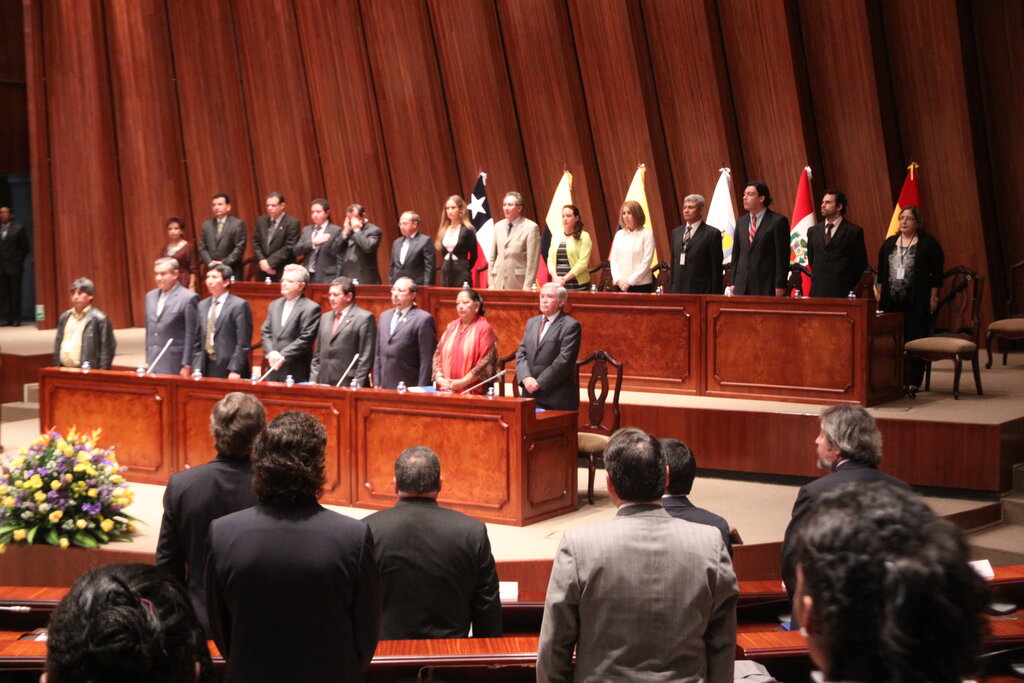
These rules aren't just suggestions; they are anchored in a solid legal framework. The Bolivian Constitution establishes the foundation for municipal autonomy and property rights. Building on that, specific national laws and municipal ordinances detail how local governments must manage their assets.
This legal structure ensures that public property is protected for community use and can't be disposed of without a proper justification and process. It also provides the rules for how private regime assets can be transferred, ensuring transparency and that the municipality gets fair value. This framework is designed to protect public resources and ensure they are used for the benefit of the citizens.
Understanding the difference between these two types of assets is the first step in comprehending how a municipality manages its resources. It clarifies why a city can sell one piece of land but must preserve another for public use.