Alice in Wonderland's Deeper Meanings
Introduction to Victorian Literature
A World in Motion
The Victorian era, named for Queen Victoria's reign from 1837 to 1901, was a time of staggering change for Great Britain. The country was at the peak of its global power, and society was transforming at a dizzying pace. Factories sprang up in cities, drawing people from the countryside in search of work. This Industrial Revolution brought new wealth and technology, but also created crowded slums and harsh working conditions.
At the same time, scientific discoveries were challenging long-held beliefs. Charles Darwin's On the Origin of Species (1859) introduced the theory of evolution, sparking intense debates about science, faith, and humanity's place in the universe. It was an age of progress and anxiety, of rigid social codes and burgeoning new ideas. Literature from this period acts as a mirror, reflecting all the complexities and contradictions of the time.
Characteristics of Victorian Writing
Victorian literature is often characterized by its realism. Writers aimed to create a detailed, believable portrait of the world around them, focusing on the everyday lives of ordinary people. They described the gritty realities of city life, the intricacies of social class, and the inner struggles of their characters.
Many novels from this time also had a strong moral compass. Authors weren't just telling stories; they were often making a point. They used their work to expose social injustices like child labor and poverty, hoping to inspire reform. This focus on social commentary is a hallmark of the era.
A key feature was serialization. Many famous novels, like those by Charles Dickens, were first published in affordable monthly installments in magazines. This shaped the way they were written, often leading to sprawling plots, large casts of characters, and cliffhanger endings to keep readers buying the next issue.
| Characteristic | Description |
|---|---|
| Realism | Focus on depicting everyday life and society accurately. |
| Moral Purpose | Stories often carry an explicit message about social or ethical issues. |
| Serialization | Published in parts, affecting plot structure and length. |
| Idealism | A tendency to portray virtue being rewarded and wrongdoing punished. |
Major Themes and Questions
The massive shifts in society gave Victorian writers plenty to explore. The impact of industrialization was a central theme, with authors examining the dark side of progress: the vast gap between the rich and poor, the dehumanizing effect of factory work, and the loss of a simpler, rural way of life.
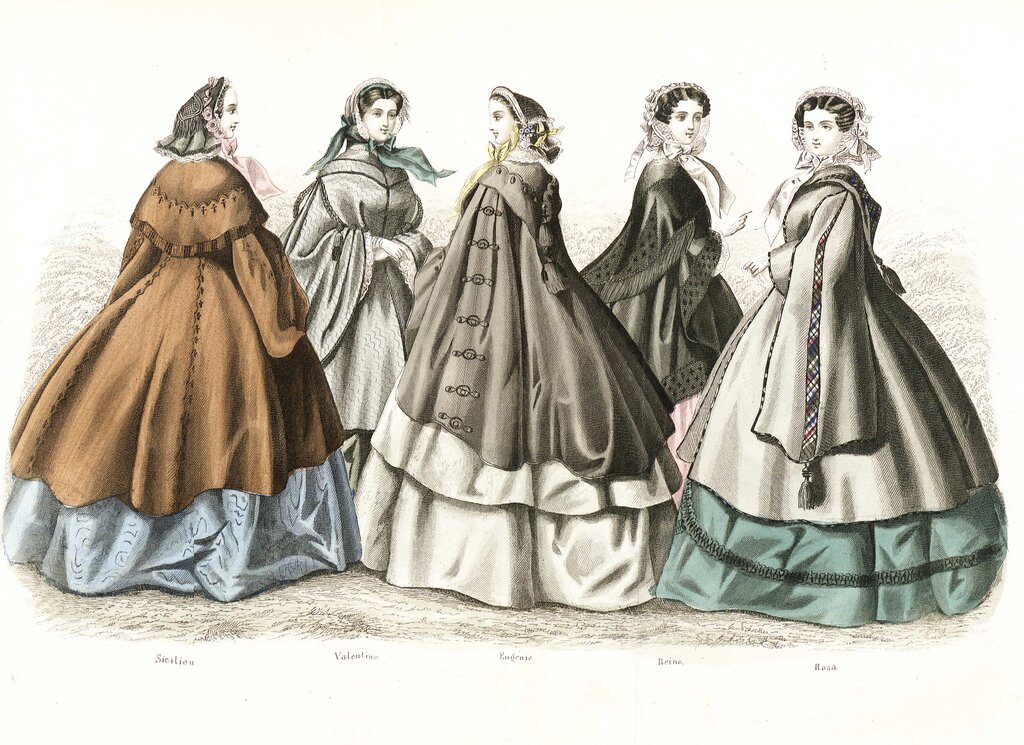
Another recurring topic was what Victorians called the "Woman Question." This was a wide-ranging debate about the nature, rights, and role of women in society. At the time, women had limited legal rights and educational opportunities. Their lives were expected to revolve around the home, a concept often called the "Angel in the House." Many novels explored the frustrations and ambitions of female characters constrained by these expectations.
The conflict between science and religion also loomed large. As new discoveries questioned traditional beliefs, characters in literature often grappled with crises of faith. This tension reflected a society trying to reconcile new knowledge with its established moral and spiritual foundations.
Key Voices of the Era
Many brilliant writers defined this literary period. Charles Dickens is perhaps the most famous, known for his unforgettable characters and his powerful critiques of social inequality in novels like Oliver Twist and David Copperfield.
The Brontë sisters—Charlotte, Emily, and Anne—wrote passionate novels that challenged conventions. Charlotte Brontë's Jane Eyre features a strong, independent heroine who was revolutionary for her time, while Emily Brontë's Wuthering Heights is a dark and powerful story of love and revenge.
George Eliot (the pen name of Mary Ann Evans) was celebrated for her psychological depth and realistic portrayal of provincial life in books like Middlemarch. Meanwhile, poets like Alfred, Lord Tennyson and Robert Browning captured the era's moods, from patriotic fervor to deep philosophical doubt.
Ready to test your knowledge?
The Victorian era, named for Queen Victoria's reign, spanned which years?
Which major development drew large numbers of people from the countryside to cities and created new social problems that became a central theme in Victorian literature?
Understanding this rich literary landscape provides the perfect context for exploring the works that emerged from it.