Algorithms for Software Engineers
Introduction to Algorithms
What Is an Algorithm?
Think about the last time you followed a recipe. You started with ingredients (input), followed a series of specific steps in order, and ended up with a finished dish (output). If you miss a step or do them in the wrong order, you might end up with something entirely different from what you intended. A recipe is a great real-world example of an algorithm.
Algorithm
noun
A finite, step-by-step set of instructions for solving a problem or accomplishing a task.
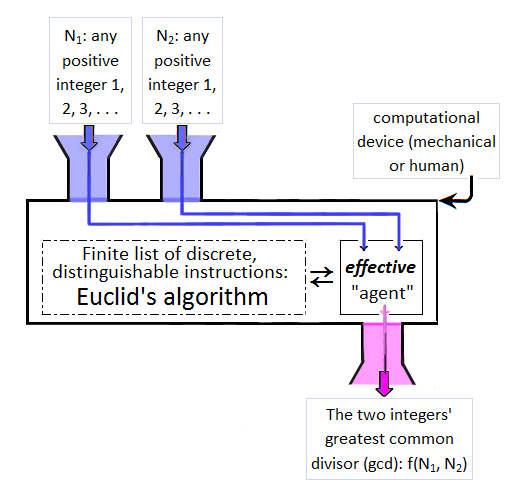
An algorithm must be clear and unambiguous. Each step needs to be precise, leaving no room for interpretation. It also needs to be finite, meaning it must eventually end after a certain number of steps. Whether it's calculating the shortest route to a destination or recommending a movie, an algorithm provides the exact blueprint for getting from a starting point to an end result.
The Backbone of Computing
At their core, computers aren't intelligent in the way humans are. They're powerful because they can execute a list of instructions, or an algorithm, at incredible speeds without making mistakes. Every action you take on a digital device is powered by one or more algorithms working behind the scenes.
When you ask a GPS for directions, an algorithm calculates the best path. When you see a post on social media, an algorithm has decided what to show you based on your past activity. Search engines use complex algorithms to sift through billions of web pages and give you the most relevant results in a fraction of a second. They are the fundamental logic that makes software work.
Every piece of software, from your phone's operating system to the most complex video game, is built on algorithms.
Algorithms in Software Development
For software developers, algorithms are the essence of problem-solving. Before a single line of code is written, a developer must first think like an architect. They need to design a blueprint that solves a specific problem. That blueprint is the algorithm.
Imagine building an app to help people manage their budgets. You'd need an algorithm to add up expenses, another to categorize spending, and perhaps a more complex one to forecast future savings. The code itself is just the implementation of these underlying logical plans.
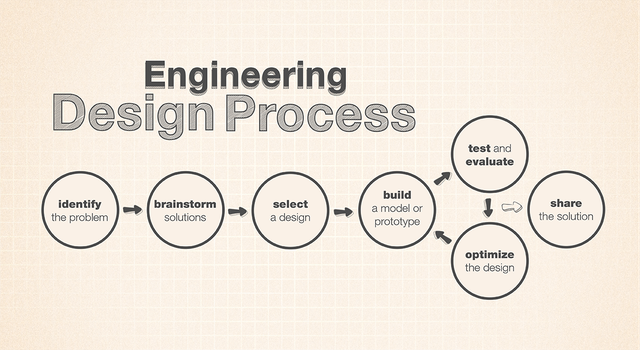
Choosing the right set of instructions can be the difference between an application that is fast and useful, and one that is slow and frustrating. This is why understanding algorithms is so central to computer science. It's not just about telling a computer what to do, but about figuring out the cleverest, most effective way to do it.