Algorithms and Python Problem Solving
Introduction to Algorithms
What Is an Algorithm?
At its heart, an algorithm is just a set of step-by-step instructions for completing a task. Think about a recipe for baking a cake. You have a list of ingredients (your input), a series of steps to follow in a specific order (the process), and a finished cake at the end (your output). If you follow the instructions correctly, you get the result you want. An algorithm works the same way, but for a computer.
To a computer scientist, an algorithm is a series of well-defined instructions that tell a computer what to do to solve a problem.
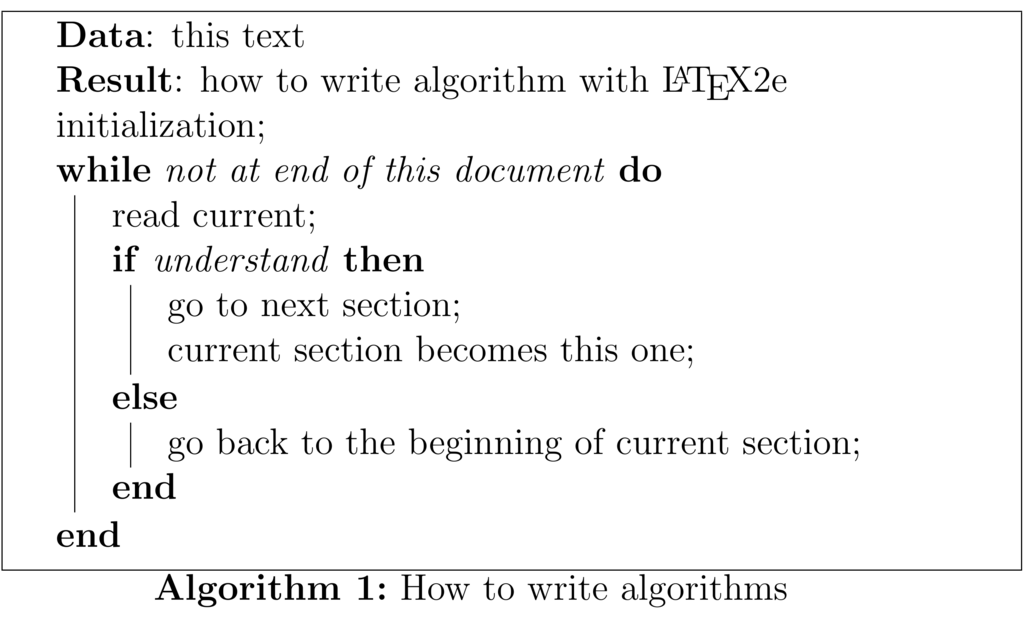
These instructions need to be crystal clear and unambiguous. A computer can't guess what you mean. Each step must lead logically to the next, guiding the computer from a starting point to a predictable end. This set of instructions doesn't have to be written in a programming language; it can be outlined in plain language or diagrams first. This is often called pseudocode, which is like a blueprint for the actual code.
A Brief History
The concept of an algorithm has been around for centuries, long before computers existed. The word itself comes from the name of a 9th-century Persian mathematician, Muhammad ibn Musa al-Khwārizmī. He pioneered systematic methods for solving linear and quadratic equations, essentially creating algorithms for arithmetic.
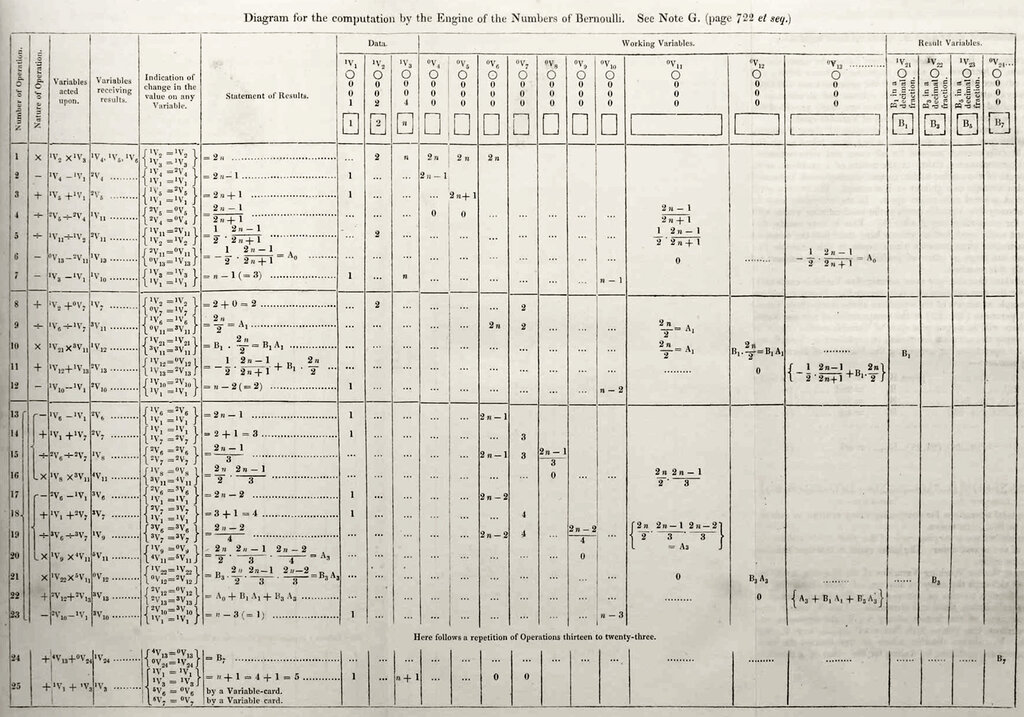
Ancient Greek mathematicians like Euclid also developed algorithms. His method for finding the greatest common divisor of two numbers is still taught today. But the idea of an algorithm as we know it in computing really took shape in the 19th and 20th centuries. Ada Lovelace is often credited with writing the first algorithm intended for a machine, Charles Babbage's proposed Analytical Engine.
Hallmarks of a Good Algorithm
Not all algorithms are created equal. A good algorithm has a few key characteristics. It needs to be correct, efficient, and clear.
First, correctness. An algorithm must produce the right output for all valid inputs. A recipe that sometimes results in a cake and sometimes in a puddle of goo isn't very reliable. Similarly, an algorithm must consistently solve the problem it was designed for.
Second, efficiency. An algorithm should solve a problem without wasting resources like time or computing power. If you’re using a GPS to find the quickest route, you want an algorithm that calculates it in seconds, not hours. Efficiency is about finding the smartest path to the solution, not just any path.
Finally, clarity. The instructions should be easy to understand, implement, and debug. A complex, tangled set of instructions is hard for programmers to work with and even harder to fix if something goes wrong. Clear and simple steps make for a more robust and maintainable algorithm.
A good algorithm is correct, efficient, and clear. It solves the right problem, does so quickly, and is easy to understand.
Algorithms in the Wild
You interact with algorithms every day, whether you realize it or not. The simple act of getting ready in the morning is an algorithm: wake up, get out of bed, take a shower, get dressed, eat breakfast. You follow a sequence of steps to achieve a goal.
In the digital world, algorithms are everywhere. When you search on Google, an algorithm sorts through billions of web pages to find the most relevant ones for you. When you scroll through a social media feed, an algorithm decides which posts you're most likely to be interested in. GPS navigation, online shopping recommendations, and streaming service suggestions are all powered by complex algorithms.
Understanding what algorithms are and how they work is a foundational part of computer science. They are the building blocks that allow us to solve problems, automate tasks, and create the technology we rely on every day.