Algorithms and Python Problem Solving
Introduction to Algorithms
What Is an Algorithm?
At its core, an algorithm is just a set of step-by-step instructions for solving a problem or completing a task. Think of a recipe for baking a cake. It tells you exactly what ingredients to use and what actions to perform, in what order, to get from a pile of flour and sugar to a delicious dessert. That's an algorithm.
Computers use algorithms for everything they do, from sorting a list of names to recommending your next movie. They need these precise instructions because they can't think for themselves. An algorithm gives a computer a clear, unambiguous path to follow to reach a specific goal.
Algorithms are the foundations of computer science.
Without them, our digital world wouldn't exist. Your GPS uses an algorithm to find the fastest route, your social media feed uses one to decide what to show you, and search engines use complex algorithms to rank billions of web pages. They are the invisible engines powering our technology.
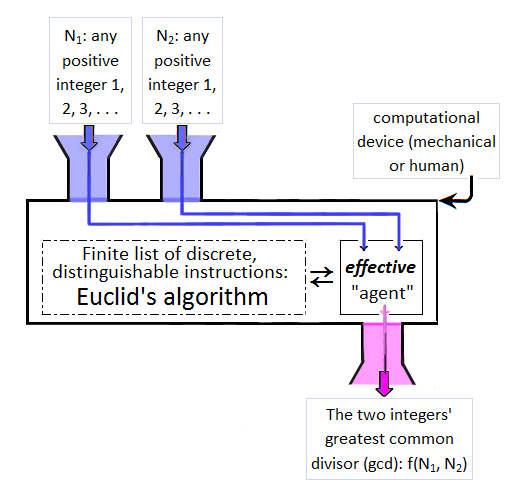
Good vs. Bad Instructions
Not all sets of instructions are created equal. A good recipe leads to a great cake, while a bad one might result in a burnt mess. The same is true for algorithms. To be effective, an algorithm needs a few key characteristics.
| Characteristic | What it means |
|---|---|
| Correctness | The algorithm must produce the correct output for all valid inputs. It has to actually solve the problem it was designed to solve. |
| Efficiency | It should solve the problem without wasting resources like time or memory. A faster, less resource-intensive algorithm is better. |
| Clarity | The steps should be clear, simple, and easy to understand. This makes the algorithm easier to implement, test, and fix if something goes wrong. |
| Finiteness | An algorithm must eventually stop. It can't run in an infinite loop. It needs to have a clear end point. |
| Well-Defined Inputs/Outputs | It should be clear what the algorithm needs to start (input) and what it will produce when it's done (output). |
Imagine two different algorithms for finding a name in a phone book. One algorithm tells you to start at the first page and read every single name until you find the one you're looking for. This is correct, but horribly inefficient.
A better algorithm would take advantage of the fact that the names are alphabetized. It might tell you to open to the middle, see if the name you want comes before or after the names on that page, and then repeat the process on the relevant half. This is much more efficient and still guarantees a correct result.
A Framework for Problem-Solving
Creating an algorithm is really about breaking down a large problem into smaller, manageable steps. This process is often called algorithmic problem-solving. It gives you a structured way to think through a challenge and devise a logical solution.
Let's break that down:
- Understand the Problem: Before you can solve anything, you have to know exactly what you're trying to achieve. What is the input? What should the output look like? What are the constraints?
- Devise a Plan: This is where you outline the steps. You don't need to write code yet. You can use plain language, diagrams, or something called pseudocode, which is a simplified, informal way of describing an algorithm.
/*
Pseudocode for making tea
*/

FUNCTION makeTea
  START
    Boil water
    Get a cup
    Put teabag in cup
    Pour boiling water into cup
    Wait for tea to steep
    Remove teabag
    RETURN tea
  END
- Carry Out the Plan: Now you translate your plan into actual code, following the steps you laid out.
- Review and Refine: Does your solution work? Is it correct? Is it efficient? This is where you test your algorithm and look for ways to make it better.
This structured approach is a powerful tool, not just for programming, but for solving all kinds of problems.
Ready to check your understanding?
Which of the following best describes an algorithm?
True or False: An algorithm must always be the most efficient way to solve a problem to be considered correct.
Understanding these core concepts is the first step toward thinking like a programmer and tackling more complex challenges.