Algorithmic Trading Fundamentals
Introduction to Algorithmic Trading
What Is Algorithmic Trading?
At its core, algorithmic trading is about using computers to make trading decisions. Instead of a person clicking 'buy' or 'sell', a program does it automatically based on a set of pre-defined rules.
Algorithmic trading refers to the use of computer programs that follow defined sets of instructions (algorithms) to execute trades at speeds and frequencies impossible for human traders.
Think of it like a recipe. You write down instructions: if the price of a stock goes up by 2% in one hour and the trading volume is high, buy 100 shares. If it drops by 1%, sell immediately. An algorithm is just a recipe for a computer to follow.
This method is significant because it dominates modern financial markets. The vast majority of trades today are executed by algorithms, not people. They operate at incredible speeds, analyzing massive amounts of data to spot opportunities in fractions of a second. This has fundamentally changed the pace and nature of trading.
A Brief History
Algorithmic trading wasn't born overnight. Its roots go back to the 1970s, with the introduction of the first electronic trading systems. The New York Stock Exchange launched a system to route orders electronically, and the NASDAQ was created as a fully electronic stock market. For the first time, trades could happen without people shouting across a crowded floor.
Throughout the 80s and 90s, as computing power grew and the internet became widespread, the practice evolved. Traders started developing more complex programs to automate their strategies. By the early 2000s, algorithmic trading was mainstream. This led to the rise of High-Frequency Trading (HFT), a type of algorithmic trading where computers make millions of trades in a single day, capitalizing on tiny price differences.
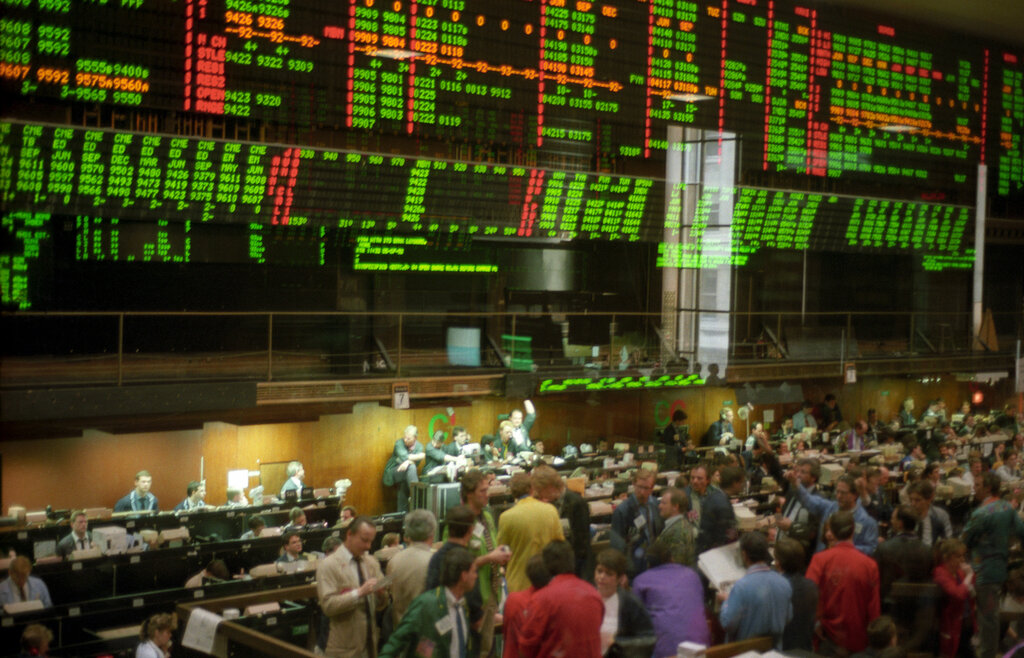
From simple order routing to complex AI-driven strategies, the journey reflects the broader story of technology's impact on finance.
The Pros and Cons
Like any powerful tool, algorithmic trading has clear benefits but also comes with significant risks. It’s a double-edged sword that has reshaped markets for better and for worse.
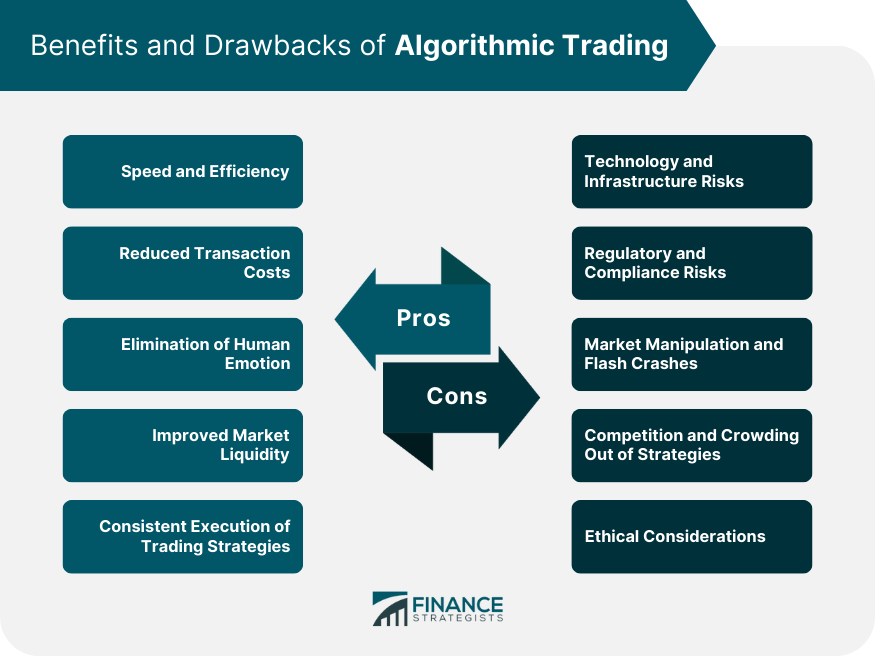
The advantages are compelling. Algorithms can execute trades at the best possible prices by breaking large orders into smaller pieces. They are lightning-fast, tireless, and disciplined, removing human emotion like fear or greed from trading decisions. They also allow strategies to be backtested with historical data, giving traders confidence before risking real money.
However, the challenges are just as serious. A bug in the code can lead to catastrophic losses in seconds. One famous example is the 2012 Knight Capital glitch, where a faulty algorithm lost the company over $440 million in about 45 minutes. There's also the risk of creating market instability. If many algorithms are programmed with similar strategies, a small market event could trigger a massive, synchronized sell-off, leading to a 'flash crash'.
| Advantage | Description |
|---|---|
| Speed | Trades are executed in microseconds, far faster than any human. |
| Accuracy | Automated checks reduce the chance of manual errors when placing orders. |
| Reduced Costs | By minimizing human intervention and finding optimal prices, transaction costs can be lowered. |
| Backtesting | Strategies can be tested against historical data to see how they would have performed. |
Here are some of the key risks to consider.
| Challenge | Description |
|---|---|
| Technical Failures | Software bugs or connectivity issues can cause massive, unintended trades. |
| Market Impact | Large algorithmic orders can unintentionally move market prices. |
| Over-optimization | A strategy might be perfectly tuned to past data but fail in live market conditions. |
| Systemic Risk | Interconnected algorithms can create cascading failures across the market. |
Now, let's test your understanding of these core concepts.
What is the fundamental principle of algorithmic trading?
A major risk of algorithmic trading is a 'flash crash'. What is the primary cause of this phenomenon?
Algorithmic trading is now a permanent and defining feature of the financial world. It represents a shift from human intuition to data-driven, automated decision-making, bringing both incredible efficiency and new, complex risks.