Algorithmic Trading Explained
Introduction to Algorithmic Trading
Trading at the Speed of Light
At its core, algorithmic trading is about using computers to make trading decisions. Instead of a person clicking “buy” or “sell,” a program does it automatically based on a pre-written set of rules.
Algorithmic trading refers to the use of computer programs that follow defined sets of instructions (algorithms) to execute trades at speeds and frequencies impossible for human traders.
Think of it like a very specific recipe. You tell the computer exactly what ingredients to look for (like a certain stock price or a news headline) and what to do when it finds them (like buy 100 shares). The computer then watches the market tirelessly, ready to execute your recipe the instant the conditions are met.
From Trading Pits to Pixels
Trading wasn't always so quiet and digital. For centuries, financial markets were chaotic places, filled with traders shouting orders and using hand signals to communicate in crowded trading pits. Decisions were made based on instinct, experience, and information that traveled at human speed.
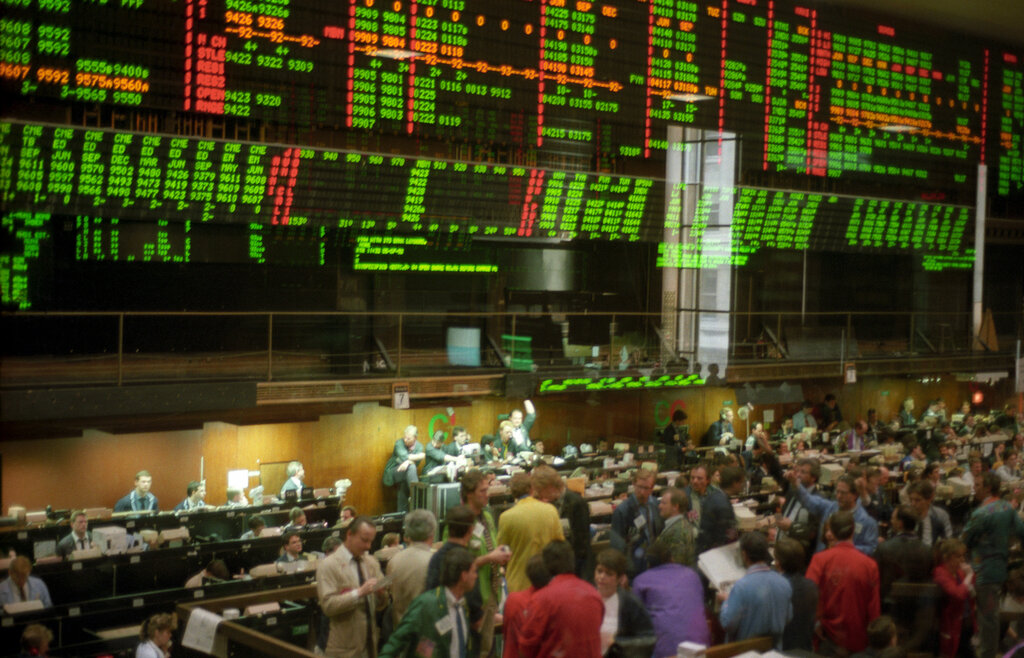
The shift began with the rise of computers and the internet. First, trading moved from physical floors to electronic screens. This was a huge leap, but humans were still the ones making the decisions and placing the orders. The final step was to automate the decision-making process itself.
As markets became more complex and faster, the need to process vast amounts of data in milliseconds became critical. Humans simply couldn't keep up. Algorithms could. Today, the majority of trades on major stock exchanges are executed not by people, but by sophisticated computer programs.
The Algorithmic Advantage
So why did this shift happen? Algorithmic trading offers several key advantages over manual trading.
Speed is the most obvious one. Algorithms can analyze market data and execute trades in microseconds, far faster than any human. This speed allows them to capitalize on tiny, fleeting price differences that a human trader would miss.
Accuracy is another major benefit. By following a strict set of rules, algorithms eliminate the risk of human error, like hitting the wrong key or misinterpreting a chart. They also remove emotion from the equation. An algorithm doesn't get greedy or scared; it just follows its instructions, leading to more disciplined trading.
Automation Value: Removing human emotion from trading decisions dramatically improves outcomes
Finally, algorithms can process an enormous amount of information simultaneously. They can monitor thousands of stocks, news feeds, and economic indicators at once, looking for patterns and opportunities that would be impossible for a person to track.
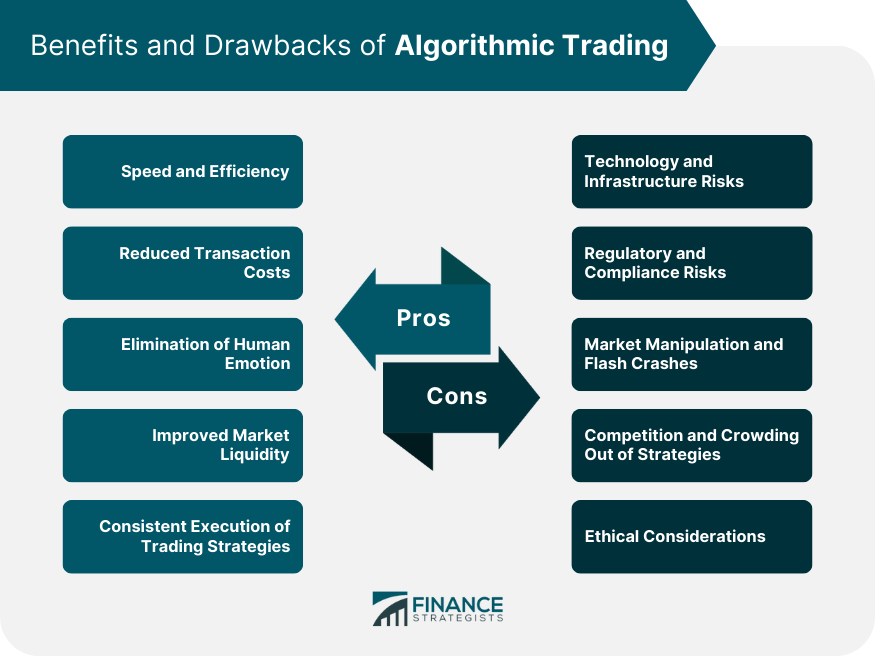
This combination of speed, accuracy, and data-processing power has made algorithmic trading the dominant force in modern finance. It has fundamentally changed the structure of financial markets, making them faster and more efficient than ever before.
Now, let's check your understanding of these core concepts.
What is the primary function of an algorithm in algorithmic trading?
Which of the following scenarios best illustrates the advantage of 'speed' in algorithmic trading?
By replacing manual execution with automated systems, algorithmic trading has reshaped the financial world, making speed and data analysis central to success.