Algorithmic Trading Essentials
Introduction to Algorithmic Trading
What Is Algorithmic Trading?
Algorithmic trading uses computers to place trades based on a set of pre-programmed instructions. Think of it like a recipe. You give a chef exact instructions: how much of each ingredient to use, how long to cook it, and at what temperature. The chef follows the recipe precisely to create the same dish every time.
In trading, the 'recipe' is an algorithm, and the 'chef' is a computer. The instructions might be based on variables like price movements, the time of day, or the volume of trades. The computer follows these rules without deviation, executing trades automatically when the specific conditions are met.
Algorithmic trading, or "algo trading," involves using computer programs and algorithms to trade securities.
The main goal is to execute trades more efficiently and systematically than a human ever could. By automating the process, traders can remove emotion from their decisions and react to market changes in fractions of a second.
Why Trade With Algorithms?
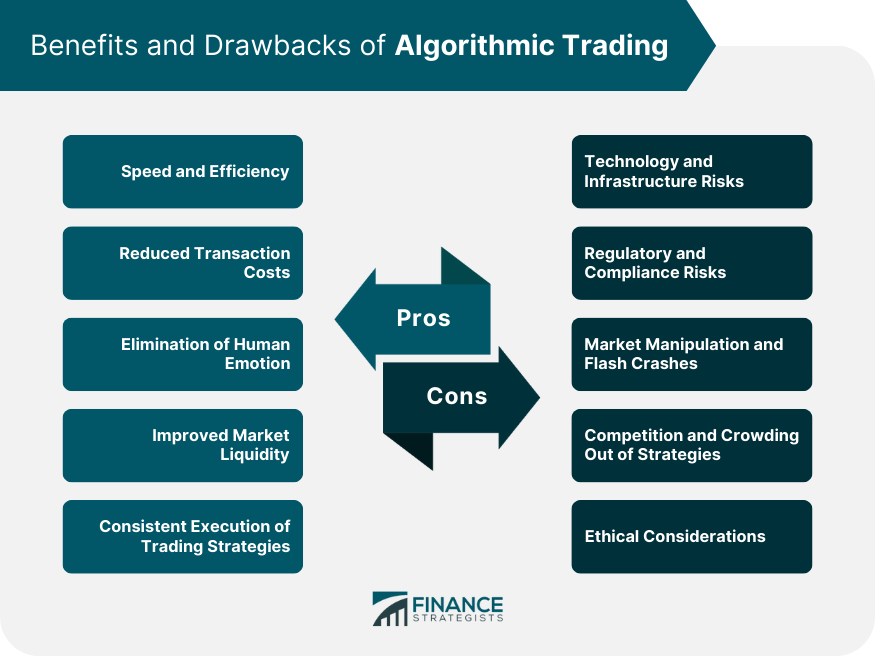
The biggest advantages of algorithmic trading are speed and efficiency. A computer can monitor thousands of stocks simultaneously and execute an order the instant a specific opportunity arises. This speed is impossible to match manually.
Algorithms also excel at processing massive amounts of data. They can analyze historical price data, news feeds, and complex market indicators to make informed decisions without getting overwhelmed. This removes the emotional biases, like fear or greed, that often lead human traders to make poor choices.
Automation Value: Removing human emotion from trading decisions dramatically improves outcomes
Because of these benefits, algorithmic trading has become incredibly common. It's not just for big Wall Street firms anymore. A huge portion of all trades on modern financial markets, from stocks to currencies, is now executed by algorithms.
The Building Blocks
Setting up an algorithmic trading system involves a few key components. You don't need a supercomputer, but you do need the right tools to connect to the market and execute your strategy.
First is the data feed. This is a stream of real-time market information, like stock prices and trading volumes. The algorithm needs this data to know when its conditions have been met.
Next, you need a trading platform with an Application Programming Interface (API). The API is like a messenger that lets your algorithm send orders directly to the stock exchange or broker.
Finally, you need the programming logic itself. This is the code that contains the trading rules. It continuously analyzes the data feed and sends trade orders through the API when the rules are satisfied.
Together, these components create a system that can operate on its own, scanning the market and trading according to a carefully defined plan.
What is the core function of an algorithm in algorithmic trading?
Which of the following are considered primary advantages of algorithmic trading over manual trading?