Algerian War Unveiled
French Colonization of Algeria
The 1830 Invasion of Algiers
In the early 19th century, the Regency of Algiers, a state under the nominal authority of the Ottoman Empire, was a major power in the Mediterranean. Its ships were a formidable force, and European nations often paid tribute to ensure safe passage for their merchant vessels. France, however, had a long-standing debt to Algerian merchants for grain supplied during the Napoleonic Wars. This financial dispute festered for years.
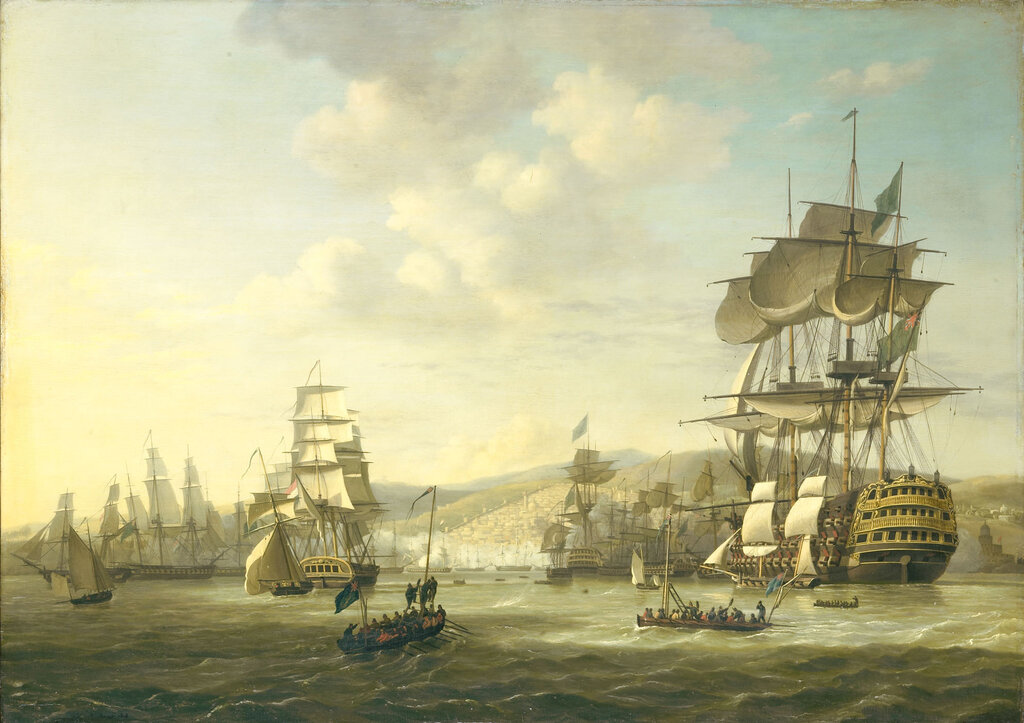
The breaking point came in 1827. During a tense meeting, the ruler of Algiers, Hussein Dey, struck the French consul with a fly-whisk. France seized on this incident, known as the "Fan Affair," as a pretext for war. King Charles X, facing domestic unrest, saw a foreign military campaign as a way to bolster national pride and his own shaky political standing. On June 14, 1830, a massive French expeditionary force landed west of Algiers. After a three-week campaign, the city fell.
The invasion wasn't just about a diplomatic insult or an old debt. It was driven by France's desire for colonial expansion, strategic control of the Mediterranean, and a way to distract from political problems at home.
Establishing Colonial Rule
France initially promised to respect the local population's property, laws, and religion. This promise was quickly broken. The conquest was not a swift, clean affair. French forces pushed inland from Algiers, facing fierce and sustained resistance from local tribes and leaders. The military campaign was brutal, marked by a "scorched earth" policy that involved destroying crops, villages, and livestock to crush opposition.
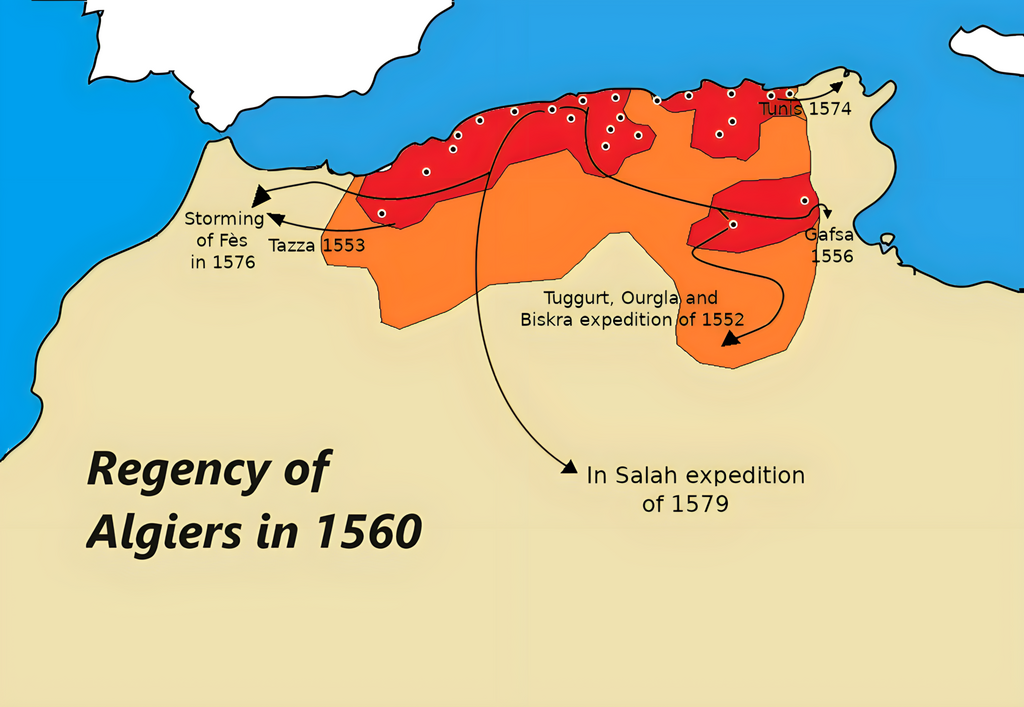
Over the next few decades, France solidified its control, establishing a colonial administration designed to serve French interests. Algeria was not treated like other colonies; it was formally annexed and considered an integral part of France. The territory was divided into departments, mirroring the administrative structure of mainland France. However, this integration was a legal fiction for the majority of the population. A dual legal system was created. French settlers, known as colons or pieds-noirs, were governed by French law and enjoyed the rights of citizens. The indigenous Muslim population, on the other hand, was classified as French subjects, not citizens. They were ruled by a separate, discriminatory set of laws known as the Code de l'Indigénat (Indigenous Code), which imposed harsh penalties for minor infractions and restricted their movement and political rights.
Economic and Social Transformation
The colonization of Algeria triggered a massive upheaval of its society and economy. The most significant change was the systematic confiscation of land. The French state seized vast tracts of the most fertile agricultural land from Algerian communities and tribes, often under the guise of punishing resistance or declaring land vacant. This land was then given or sold at low prices to French settlers.
The overriding goal of colonialism in Africa was to provide the maximum economic benefit at the lowest possible price.
Dispossessed of their land, many Algerians were forced to become low-wage agricultural laborers on farms owned by Europeans. The economy was reoriented to serve the needs of France. Subsistence farming, which had fed the local population, was replaced by the large-scale cultivation of cash crops like wine grapes, citrus fruits, and wheat for export to the French market.
A rigid social hierarchy emerged. At the top were the European settlers, who controlled the economy, land, and political power. Below them was the indigenous population, systematically excluded from positions of influence and subjected to discriminatory policies. This created deep-seated resentment and laid the groundwork for future conflict.
Early Resistance
Resistance to French rule began almost immediately. It was not a unified national movement at first, but rather a series of regional uprisings led by charismatic local leaders. The most famous of these early figures was Emir Abdelkader.
From 1832 to 1847, Abdelkader, a military and religious leader, united tribes in western and central Algeria to wage a highly effective guerrilla war against the French. He established a state with its own administration, army, and capital, proving to be a formidable opponent. Despite his skill and determination, he was ultimately overwhelmed by the superior numbers and resources of the French army. He surrendered in 1847.
Other revolts continued to flare up across Algeria throughout the 19th century, such as the Mokrani Revolt of 1871. While these early movements were eventually suppressed, they demonstrated a persistent rejection of foreign domination. They were the first chapters in a long struggle for sovereignty that would define Algerian history for the next century.
Before we test your knowledge, let's review the key concepts from this section.
Ready to check your understanding?
What event did France use as the immediate pretext to justify its 1830 invasion of Algiers?
True or False: After annexing Algeria, France granted the indigenous Muslim population the full rights and legal status of French citizens.
The establishment of French rule in Algeria set the stage for a long and complex relationship defined by conflict, inequality, and the enduring quest for independence.