Algerian Customs and Etiquette for Travelers
Greetings and Introductions
The Universal Greeting
In Algeria, like in many parts of the Arab world, greetings are a cornerstone of daily interaction. The most common and essential greeting you'll hear is 'As-salaam alaikum.' It's more than just a simple hello; it's a warm wish for peace and well-being.
Peace be upon you.
Using this phrase shows respect and an appreciation for the local culture. It’s appropriate in almost any situation, whether you're entering a shop, meeting someone for the first time, or greeting an old friend.
The standard response is just as important. When someone greets you with 'As-salaam alaikum,' the proper reply is 'Wa alaikum as-salaam.'
And upon you be peace.
This exchange sets a positive and respectful tone for any conversation that follows. While you might also hear more casual greetings like 'Ahlan' (Hello), starting with 'As-salaam alaikum' is always a safe and respectful choice.
Handshakes and Gestures
Physical gestures are an integral part of Algerian greetings, but they follow specific customs, especially regarding gender.
Among men, a handshake is the standard greeting. It's usually gentle, not a firm, bone-crushing grip. After shaking hands, a man might place his right hand over his heart. This is a gesture of warmth and sincerity.
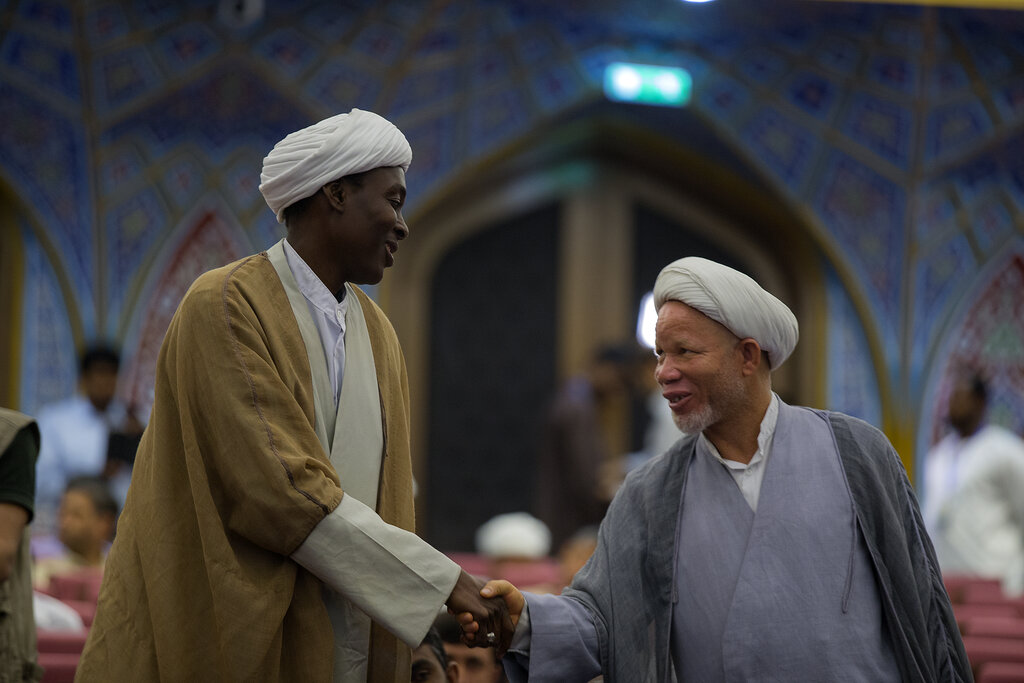
When greeting a woman, it's important to be more reserved. Men should wait for a woman to offer her hand first. If she doesn't, a polite nod and a verbal greeting are the appropriate ways to show respect. Don't initiate a handshake.
Between women who are friends or family, greetings are often warmer and may include light handshakes or kisses on the cheeks. For a visitor, a simple smile and verbal greeting are always sufficient.
A good rule of thumb: let your Algerian counterpart initiate the level of physical contact. A smile and a verbal greeting are universally understood and appreciated.
Showing Respect for Elders
Algerian culture places a high value on respecting elders. This is reflected in the way they are addressed. Using titles is a simple but powerful way to show deference and politeness.
When speaking to an older man, especially one you don't know well, it is customary to use the title 'Sidi' before his name. It translates roughly to 'Sir' or 'Mr.' but carries a deeper sense of respect.
My master / Sir
For example, you would address an elder named Ahmed as 'Sidi Ahmed.' This small gesture demonstrates cultural awareness and is deeply appreciated.
While there are equivalent titles for women, such as 'Lalla' (لَالَّة), simply using a polite tone and respectful body language is often enough when interacting with older women for the first time. The key is to convey a sense of humility and respect in your demeanor.
Mastering Arabic greetings is more than just learning words—it’s about understanding the culture, showing respect, and building connections.
What is the most common and essential greeting in Algeria, conveying a wish for peace and well-being?
When a man greets a woman in Algeria, the most appropriate action is to initiate a firm handshake.