Alexander Stubb Media Responses
Introduction to Political Communication
The Conversation of Power
Political communication is the conversation between those who govern and those who are governed. It’s how politicians, governments, and activists share their ideas, and how the public responds. This isn't just about grand speeches from a podium. It's the whole web of interactions: a tweet from a president, a debate on television, a protest sign held in the street, or a carefully worded press release.
At its core, political communication is about persuasion. The goal is to influence public opinion, win support for policies, and ultimately, gain or maintain power.
Think of it like a massive, ongoing dialogue. This conversation happens through many channels, from traditional news outlets like newspapers and TV stations to the fast-paced world of social media. Every message is designed to shape our understanding of political issues and leaders.
The Core Ingredients
Every political communication strategy is built on three key pillars: messaging, media relations, and public perception. They all work together to build a coherent and persuasive narrative.
Messaging
noun
The craft of creating a simple, memorable, and consistent theme or idea to convey to the public.
A good message is like a catchy song chorus. It sticks in your head. It’s easy to repeat and emotionally resonant. Think of slogans like "Hope and Change" or "Make America Great Again." These phrases distill complex platforms into a few powerful words. The key is relentless consistency, ensuring the same core message is repeated across all platforms, from interviews to social media posts.
Next is media relations. This is the push-and-pull relationship between political figures and the press. Politicians need journalists to carry their message to a wider audience, while journalists need access to politicians to report the news. This creates a dynamic that can be both cooperative and adversarial.
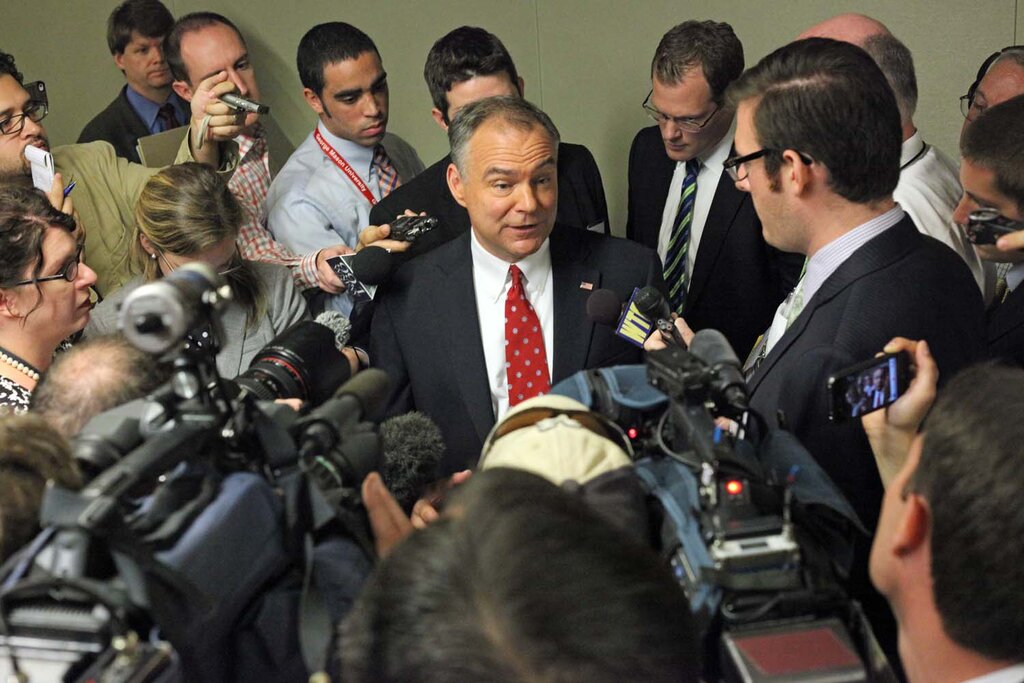
Tools of media relations include press conferences, exclusive interviews, and even calculated leaks of information. The goal for the politician is to frame the story in the most favorable light possible. For the journalist, it's to cut through the spin and get to the facts.
Finally, all of this effort is aimed at shaping public perception. This is the collective attitude or belief of the population towards a political figure, party, or issue. A positive public perception can translate into votes, support for legislation, and a successful political career. Politicians constantly monitor their public standing through polls and focus groups, adjusting their messaging and media strategy based on what they learn.
From Town Criers to Twitter
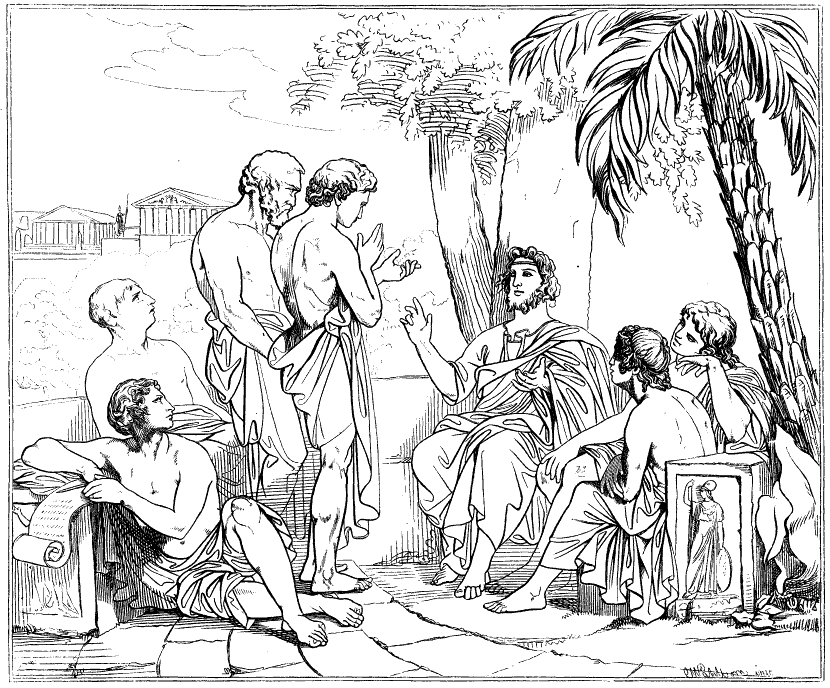
The way political leaders communicate has evolved dramatically with technology. In ancient Greece and Rome, political communication was all about rhetoric—the art of public speaking. Orators would address citizens directly in public squares.
The invention of the printing press in the 15th century was a massive leap forward. It allowed for the mass distribution of political pamphlets and newspapers, enabling ideas to spread farther and faster than ever before. This new technology fueled revolutions and helped form the first modern nations.
The 20th century brought radio and then television, changing the game again. Radio allowed leaders like Franklin D. Roosevelt to speak directly to citizens in their living rooms with his "fireside chats." Television added a powerful visual element. The first televised presidential debate in 1960 between John F. Kennedy and Richard Nixon showed that how a candidate looked could be just as important as what they said.
Listeners on the radio thought Nixon won the debate, while television viewers overwhelmingly favored the more composed and telegenic Kennedy. Appearance had become a part of the political message.
Today, we're in the digital age. The internet and social media have created a 24/7 news cycle and given politicians a direct channel to the public, bypassing traditional media gatekeepers. This offers incredible opportunities for engagement but also brings new challenges, like the rapid spread of misinformation and the increased polarization of political discourse.
The media doesn't just report on politics; it actively shapes the conversation. By deciding which stories to cover and how to frame them, news organizations influence what the public thinks about. This is known as agenda-setting. If the media constantly covers crime, the public is more likely to see crime as a major national problem, regardless of the actual statistics.
This creates a feedback loop. Politicians talk about what the media is covering, and the media covers what the politicians are talking about. This dynamic can narrow the focus of public debate, sometimes leaving important but less dramatic issues on the sidelines.
Ready to check your understanding? Let's see what you've learned about the fundamentals of political communication.
Which of the following best defines political communication?
According to the text, a successful political message, like "Hope and Change," is effective primarily because it is:
Understanding these basic elements is the first step in analyzing how political figures communicate their vision and navigate the complex media landscape.