Alex Hormozi Lead Generation Masterclass
Understanding Lead Generation
What is Lead Generation?
Every business, from a local bakery to a global software company, needs customers to survive. But where do those customers come from? They don't just appear out of thin air. The process of finding and attracting them is called lead generation.
Think of it like fishing. You don't just cast your line randomly and hope for the best. You find a good spot where the fish are, use the right bait to get their attention, and then gently reel them in. Lead generation is the business equivalent of using the right bait to attract potential customers.
Lead
noun
Any person who indicates interest in a company's product or service in some way, shape, or form.
A lead isn't just a random person; it's someone who has raised their hand, showing they might be interested in what you have to offer. This could be by filling out a form on your website, subscribing to your newsletter, or downloading a free guide. They've given you a signal that they want to hear more from you.
Why It Matters for Growth
Without a steady stream of new leads, a business can't grow. It's the engine that powers the sales process. Relying only on existing customers or random chance is a recipe for stagnation. A consistent lead generation strategy creates a predictable pipeline of potential sales, which is crucial for long-term health.
Effective lead generation turns strangers who might be interested into potential customers you can build a relationship with.
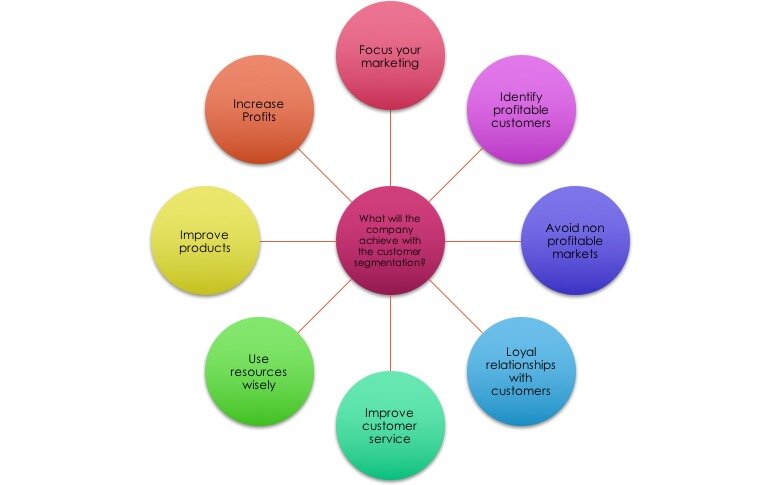
Furthermore, lead generation helps businesses focus their efforts. Instead of shouting your message to everyone, you can target people who are more likely to be interested in your product. This saves time and money, making your marketing much more efficient. By understanding who your potential customers are, you can tailor your products, services, and communication to meet their specific needs.
The Lead Generation Process
The journey from a curious stranger to a paying customer can be visualized as a funnel. At the top, you have a wide audience. As you move down, that group gets smaller and more qualified, until you're left with the people who actually make a purchase.
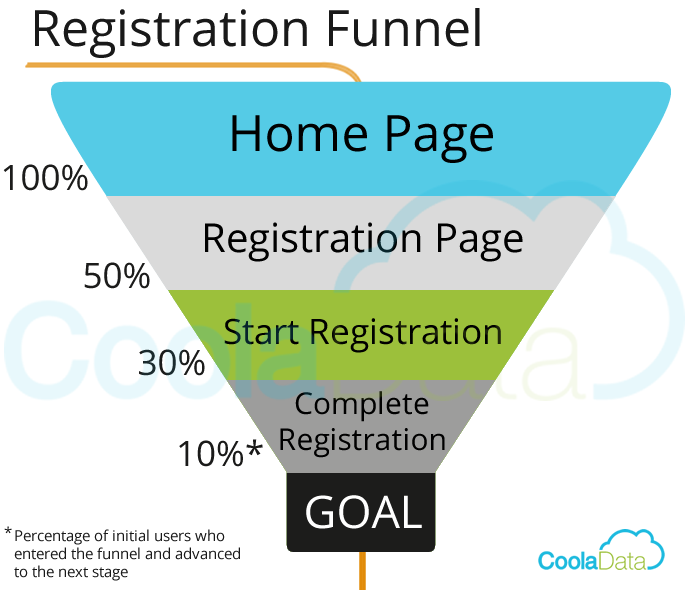
The process generally involves a few key stages:
-
Attract: First, a business needs to attract the attention of potential leads. This happens through various channels like blog articles, social media posts, or online ads. The goal is to bring people to your website or landing page.
-
Convert: Once a visitor is on your site, the next step is to convert them into a lead. This typically involves offering something of value, often called a "lead magnet," in exchange for their contact information. This could be a free ebook, a webinar, a coupon, or a consultation.
-
Nurture: Not everyone who becomes a lead is ready to buy immediately. The nurturing phase involves building a relationship with these leads over time. Businesses often use email marketing to share useful information, answer questions, and build trust, gently guiding the lead toward a decision.
-
Close: This is the final stage where the lead becomes a customer. After being attracted and nurtured, they have enough information and trust to make a purchase. The sales team often steps in at this point to close the deal.
Understanding this simple process is the first step toward building a system that consistently brings new customers to your door.
What is the primary goal of lead generation?
Which of the following best describes a 'lead' for a business?