Alan Watts Wisdom of Insecurity and Language
Introduction to Alan Watts
The Philosophical Entertainer
Some thinkers build complex systems understood by few. Others build bridges. Alan Watts was a bridge builder. He was a British philosopher, writer, and speaker who became one of the most important figures in bringing Eastern philosophy to a Western audience.
Watts didn't see himself as a guru or a master, but as a "philosophical entertainer." His goal was to take the profound ideas of Zen Buddhism, Taoism, and Hinduism and make them accessible, engaging, and relevant to people's everyday lives in the 20th century. Through his charming lectures and clear, witty writing, he introduced millions to concepts that had previously seemed distant and exotic.
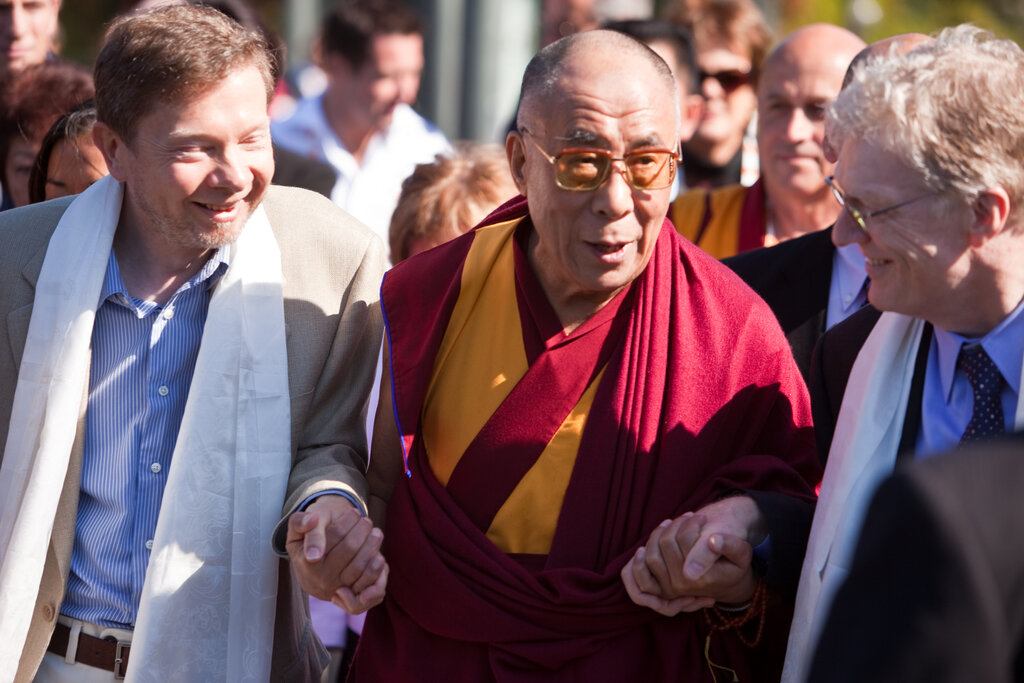
His influence grew far beyond academic circles, deeply shaping the counterculture of the 1960s and inspiring generations of artists, thinkers, and spiritual seekers.
From England to California
Alan Wilson Watts was born in a small village in Kent, England, in 1915. From a young age, he was fascinated by the arts and the spiritual traditions of Asia. He published his first pamphlet on Zen at just 21 years old.
In 1938, he moved to the United States, where his journey took a surprising turn. He studied Christian theology and was ordained as an Episcopal priest in 1945. However, he found the doctrines of the church too rigid. After five years, he left the priesthood, feeling that his path lay in synthesizing the wisdom of both East and West, not in choosing one over the other.
He eventually settled in California, near San Francisco. This was the perfect place for his ideas to flourish. He became a beloved figure in the Beat Generation and the burgeoning counterculture, hosting radio shows and giving lectures that drew huge crowds. He wasn't just a scholar in an ivory tower; he was a dynamic voice in a time of great social and spiritual change.
A Legacy of Words
Alan Watts was incredibly prolific. He wrote over 25 books and recorded hundreds of lectures and radio broadcasts. His work wasn't about presenting new, original ideas. Instead, his genius was in interpretation and translation, making ancient wisdom feel fresh and alive.
He took complex spiritual texts and explained them with humor, practical examples, and a deep understanding of the Western mindset.
Some of his most influential books include:
- The Way of Zen (1957): One of the first and most successful books to explain Zen Buddhism to a mainstream Western audience.
- Psychotherapy East and West (1961): An exploration of the common ground between Eastern spiritual practices and Western psychology.
- The Book: On the Taboo Against Knowing Who You Are (1966): A powerful look at the illusion of the separate ego, drawing on Hindu philosophy.
His recorded lectures, known for their relaxed and conversational style, have become even more popular in the digital age. They continue to introduce new generations to his joyful and liberating perspective on life.
Let's check your understanding of this philosophical entertainer.
Alan Watts saw his primary role not as a guru or master, but as a...
What was Alan Watts's primary contribution to philosophy?
Alan Watts served as a vital link between ancient traditions and the modern world. He showed that philosophy didn't have to be dry or academic, but could be a practical and joyful guide to living a fuller life.