Airport Security Explained
Introduction to Airport Security
The Invisible Shield
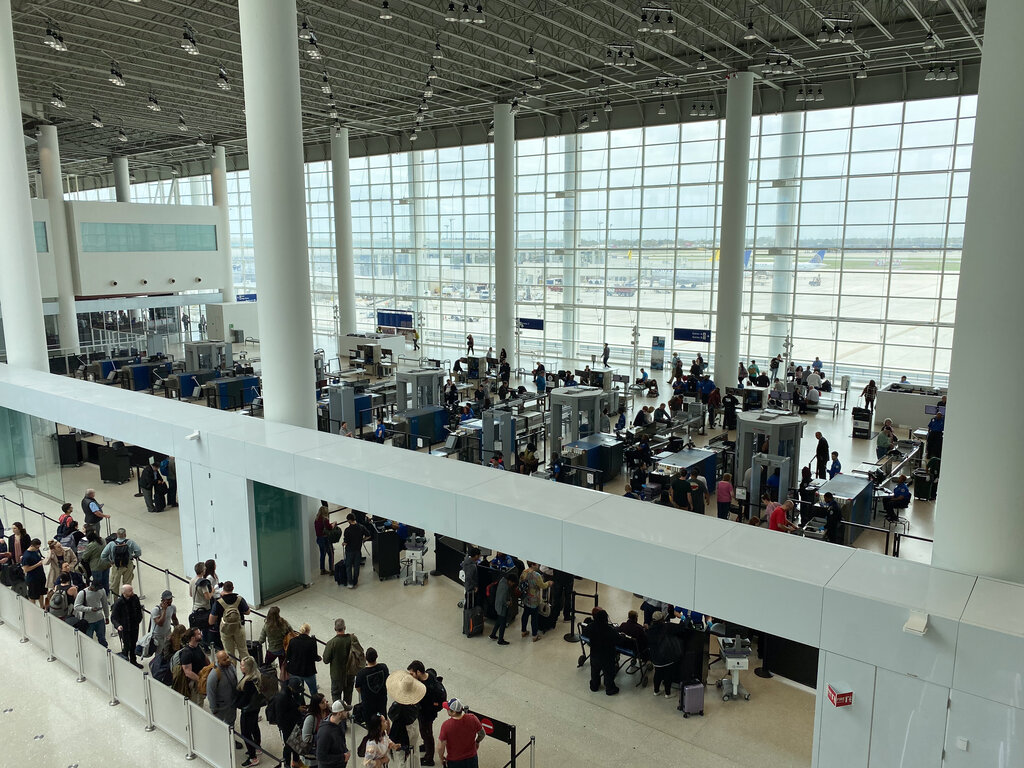
Every day, millions of people board airplanes, trusting they'll arrive safely. This trust is built on a complex, often unseen, system of airport security. Its main job is simple: protect passengers, crew, and aircraft from harm. But achieving this goal involves a massive effort to prevent prohibited items and individuals with malicious intent from ever getting on a plane.
Without these measures, the global network of air travel that connects economies and cultures couldn't function. Security isn't just about safety; it's the foundation that makes modern air travel possible.
A History Shaped by Events
Airport security hasn't always been so thorough. For much of aviation history, security was minimal. The protocols we see today were not designed in a vacuum; they are direct responses to past events.
The 1960s and 1970s saw a rise in aircraft hijackings, which led to the introduction of the first passenger screening measures, like metal detectors. But the single most significant event to shape modern security was the series of attacks on September 11, 2001.
The 9/11 attacks fundamentally changed the philosophy of aviation security from a reactive, minimal approach to a proactive, layered defense system.
Before 9/11, security was often handled by private companies hired by airlines, with inconsistent standards. Afterward, governments around the world stepped in to create centralized, federal-level security agencies. This shift led to the standardized, more intensive screening procedures that are now common worldwide, including stricter baggage checks and reinforced cockpit doors.
Who's in Charge?
Two key organizations form the backbone of global airport security: one national and one international.
TSA
noun
The Transportation Security Administration is a U.S. government agency responsible for security across all modes of transportation, with a primary focus on aviation.
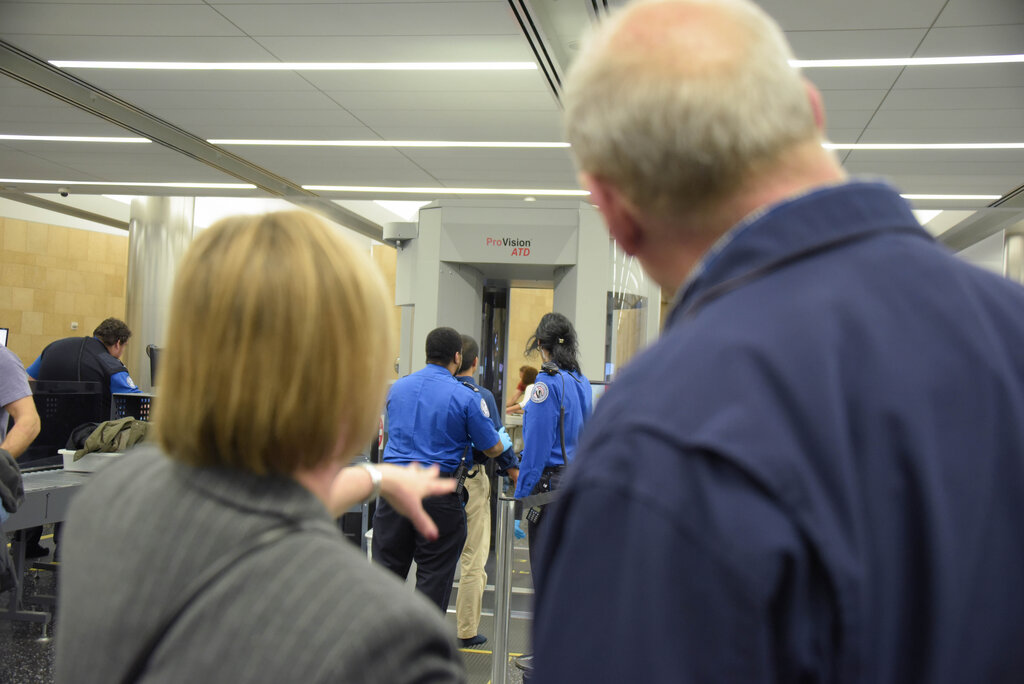
Created in the wake of the 9/11 attacks, the TSA federalized airport security in the United States. Its uniformed officers are responsible for screening every passenger and all checked and carry-on baggage. The agency also manages programs like the Federal Air Marshal Service, which places armed officers undercover on flights.
While the TSA manages security within the U.S., a global body sets the standards that most countries follow.
ICAO
noun
The International Civil Aviation Organization is a specialized agency of the United Nations that sets international standards for aviation safety, security, and efficiency.
Think of ICAO as the organization that writes the global rulebook. It doesn't have the power to enforce these rules directly. Instead, its 193 member countries adopt these standards and practices into their own national laws. This creates a baseline level of security for international flights worldwide, ensuring that a flight from Tokyo to Paris meets consistent safety and security protocols.
This partnership between a global standard-setter and national enforcers creates the layered, interconnected security system that protects millions of travelers every day.
Ready to check your understanding?
What is the primary goal of airport security?
Which single event was the most significant catalyst for creating centralized, government-run security agencies like the TSA?
This framework of historical lessons and international cooperation is the starting point for understanding every aspect of airport security, from the checkpoint line to the cockpit door.