Airport Passenger Management for Security Staff
Understanding Passenger Diversity
Every Passenger is Different
An airport is a crossroads for the entire world. In a single shift, you'll interact with people from dozens of countries, speaking different languages and carrying different cultural expectations. Understanding this diversity isn't just about being polite; it's a fundamental part of maintaining security and ensuring a smooth process for everyone.
Your role requires you to be observant and clear, but effective communication goes beyond words. It starts with recognizing that each passenger has a unique background that shapes how they act and communicate. This awareness is the foundation of cultural sensitivity.
Cultural Sensitivity in Practice
Cultural sensitivity doesn't mean you need to be an expert on every culture on Earth. It simply means acknowledging that differences exist and approaching every interaction with an open, respectful mindset. What is considered normal or respectful in one culture might be different in another.
Your normal is not everyone's normal. Acknowledging this is the first step toward effective communication.
Consider a few common areas where cultural norms vary:
- Eye Contact: In some cultures, direct eye contact is a sign of honesty and respect. In others, it can be seen as aggressive or disrespectful, especially toward authority figures.
- Personal Space: The comfortable distance between two people during a conversation varies widely around the world. What feels like a normal distance to you might feel intrusive to someone else.
- Gestures: A simple thumbs-up can mean "okay" in one country and be a rude insult in another. Be mindful that hand gestures are not universal.
- Showing Respect: How people show respect to authority can also differ. Some may be very formal, while others are more casual. This isn't a reflection of their compliance, just their cultural background.
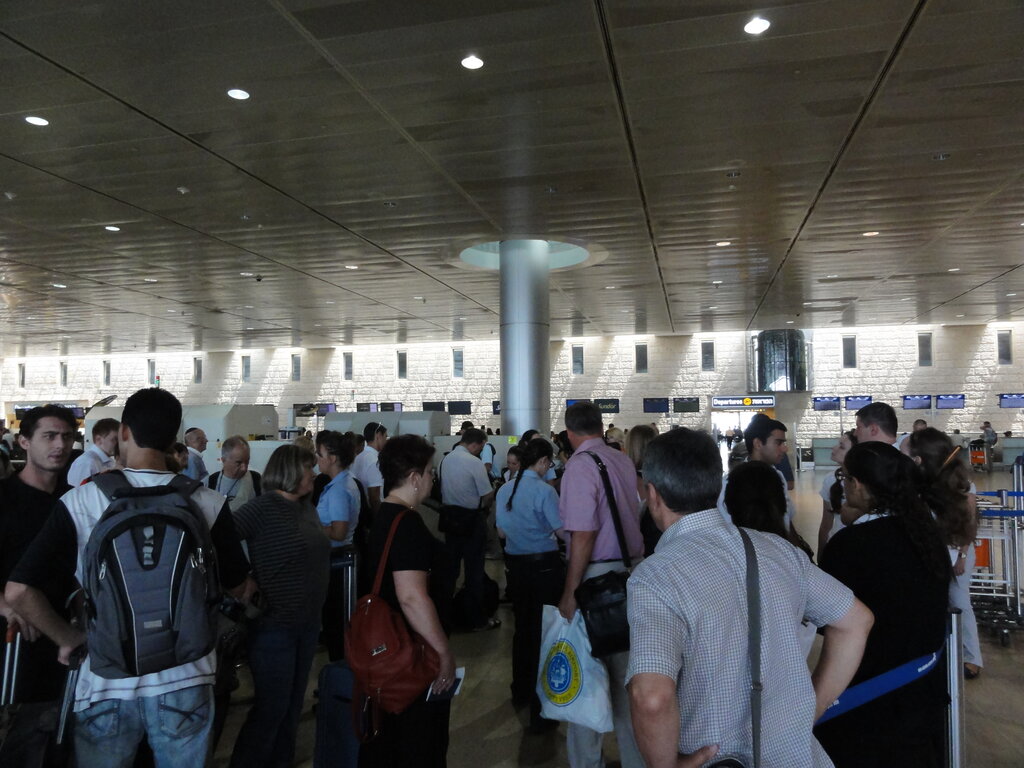
Your job is to apply security procedures consistently and fairly to everyone. By being aware of these potential differences, you can avoid misinterpreting a passenger's behavior and prevent a simple interaction from escalating into a misunderstanding.
Navigating Language Barriers
One of the most immediate challenges you'll face is the language barrier. When a passenger doesn't understand your instructions, it can cause delays, frustration, and anxiety for both them and you. The key is to remain patient and use clear, simple strategies to bridge the gap.
Slowing down is your most powerful tool. Speak clearly, use simple words, and avoid slang or complex phrases. Often, people who have some English ability can understand basic instructions if they are delivered calmly and slowly.
You can make your communication more inclusive by using plain language, being culturally sensitive, adapting your communication style to diverse audiences, and creating accessible content and materials.
When verbal communication isn't working, non-verbal cues become essential. Here are some effective strategies.
| Strategy | How to Use It |
|---|---|
| Use Simple Gestures | Point to items that need to be removed from bags, like laptops or liquids. Use a hand motion to guide a passenger to step forward or wait. |
| Demonstrate Actions | Physically pat your own pockets to indicate a passenger should empty theirs. Take off your own shoes to show what's required. |
| Use Pictograms & Signage | Point to official signs that show prohibited items or explain procedures. These are designed to be universally understood. |
| Access Translation Tools | If available, use a pre-approved translation app or a telephone translation service for more complex interactions. |
| Find an Interpreter | Ask if a colleague, airline representative, or even another passenger can help translate. This should be done with care for privacy and security. |
By approaching each passenger with respect for their background and using clear, simple communication techniques, you can perform your duties more effectively and create a safer, less stressful environment for everyone.
Time to check your understanding of these core concepts.
What is the primary reason for practicing cultural sensitivity in an airport security role?
Direct eye contact is universally considered a sign of honesty and respect.
Mastering these skills in cultural awareness and communication will help you navigate the complexities of working in a diverse airport environment with confidence and professionalism.