Airplane Maintenance Project Fundamentals
Why Maintenance Matters
More Than Just a Tune-Up
You wouldn't drive your car for years without an oil change. You also wouldn't skip a doctor's appointment if you felt something was wrong. We perform routine check-ups on our cars and our bodies to catch small problems before they become big, dangerous ones. An airplane is no different, just vastly more complex.
At its core, aircraft maintenance is a form of preventive care. Its primary job is to ensure safety. Every single bolt, wire, and computer system on an aircraft must function perfectly for it to be considered safe to fly. Scheduled maintenance involves thousands of meticulous checks, from visually inspecting the fuselage for cracks to running diagnostics on the engines. The goal is simple: find and fix any potential issue on the ground, long before it could ever become a problem in the air.
The guiding principle isn't 'fix it when it breaks,' but 'fix it before it breaks.'
Beyond safety, maintenance is crucial for operational efficiency. An airline's business depends on its planes flying on schedule. An unexpected mechanical issue can cause a ripple effect of delays and cancellations, stranding hundreds of passengers and costing the airline a fortune in lost revenue and accommodation vouchers. A well-maintained aircraft is a reliable one, which means flights depart on time and the entire network runs smoothly. It’s a direct line from the maintenance hangar to the company's bottom line.
The Standard of Safety
In aviation, the ultimate goal of all this work is a single, critical concept: airworthiness . An aircraft is considered airworthy when it meets all the design standards and is in a condition for safe operation. It's not just a suggestion; it’s a legal requirement. A plane could look perfectly fine, but if a single, tiny component has been in service one hour longer than its approved lifespan, the aircraft is grounded. It cannot fly until that part is replaced and the paperwork is signed.
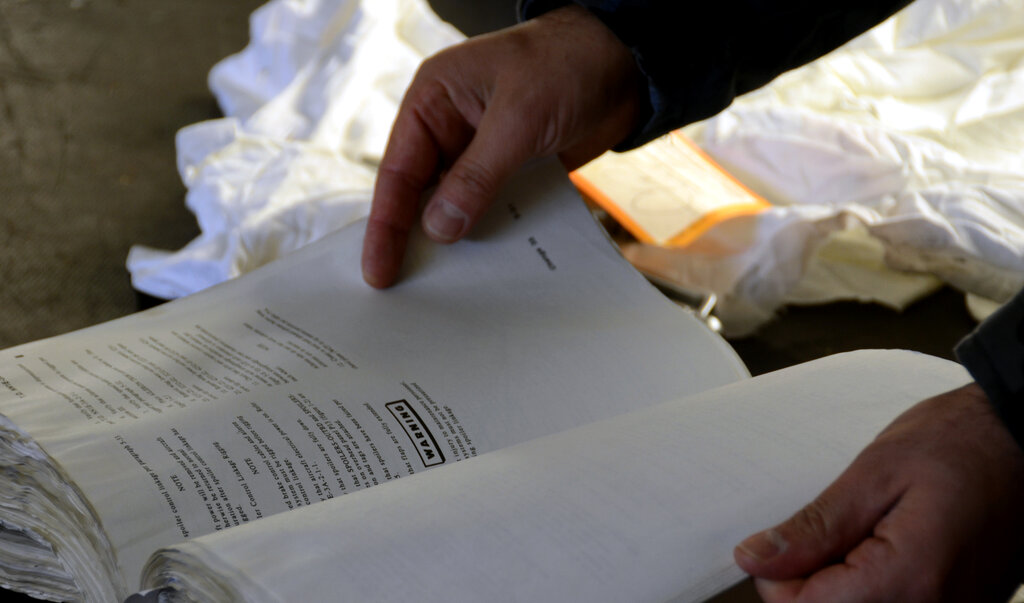
This strict standard exists because the consequences of neglect are severe. A single missed check could lead to equipment failure, while a poorly managed maintenance schedule can disrupt an airline’s ability to operate. To prevent this, government bodies create and enforce the rules of aviation safety. In the United States, this is the job of the (FAA). In Europe, its counterpart is the European Union Aviation Safety Agency (EASA).
These organizations act like referees, setting the minimum safety standards that every airline, pilot, and mechanic must follow. They don't just write the rulebook; they also conduct audits and inspections to ensure everyone is playing by it. Their oversight is what creates a unified, global standard of safety, ensuring that a flight is held to the same high maintenance standards whether you're flying from New York to Los Angeles or from Paris to Rome.
So, while it might seem like a behind-the-scenes activity, scheduled maintenance is the bedrock of modern aviation. It's a continuous process of checks and balances that keeps complex machines safe and a global industry running.
What is the primary purpose of aircraft maintenance?
An aircraft is considered ________ when it meets all design standards and is in a condition for safe operation.
This foundation of safety and reliability is why a career in maintenance scheduling is so vital. It's not just about managing calendars; it's about upholding the trust every passenger places in the system when they step onto a plane.