Airline Operations and Logistics
Airline Industry Overview
A Brief History of Flight
The airline industry didn't start with luxury jets. It began with daring pilots in small, rickety planes delivering mail. In the early 20th century, governments saw the potential of aircraft for speeding up communication. Airmail routes were established, creating the first regular, scheduled flights. These routes laid the groundwork for passenger travel.
The idea of flying people instead of just letters quickly caught on. Early passenger flights were noisy, cold, and expensive, a far cry from modern travel. The industry grew slowly until after World War II, when a surplus of military aircraft and trained pilots created a perfect opportunity for expansion. The introduction of jet engines in the 1950s revolutionized air travel, making it faster, safer, and more accessible. This “Jet Age” transformed global business and tourism, connecting the world like never before.
The Key Players
The modern airline industry is a complex ecosystem with three main types of players: airlines, airports, and regulatory bodies. Each has a distinct role, and they all must work together seamlessly.
Airlines are the operators. They own or lease aircraft, employ crews, and sell tickets to transport passengers and cargo. Airports provide the physical infrastructure. Regulatory bodies set and enforce the rules that keep everyone safe.
Airlines come in many shapes and sizes, from giant international carriers with vast networks to smaller, low-cost airlines that focus on specific regions. Airports are the gateways to the sky. They manage everything on the ground, including runways, terminals, security, and baggage handling. They generate revenue by charging airlines landing fees and leasing space to shops and restaurants.
Rules of the Sky
Aviation is one of the most heavily regulated industries in the world, and for good reason. Safety is the absolute top priority. International cooperation is essential because flights constantly cross borders. Two of the most important organizations shaping the regulatory environment are the FAA and IATA.
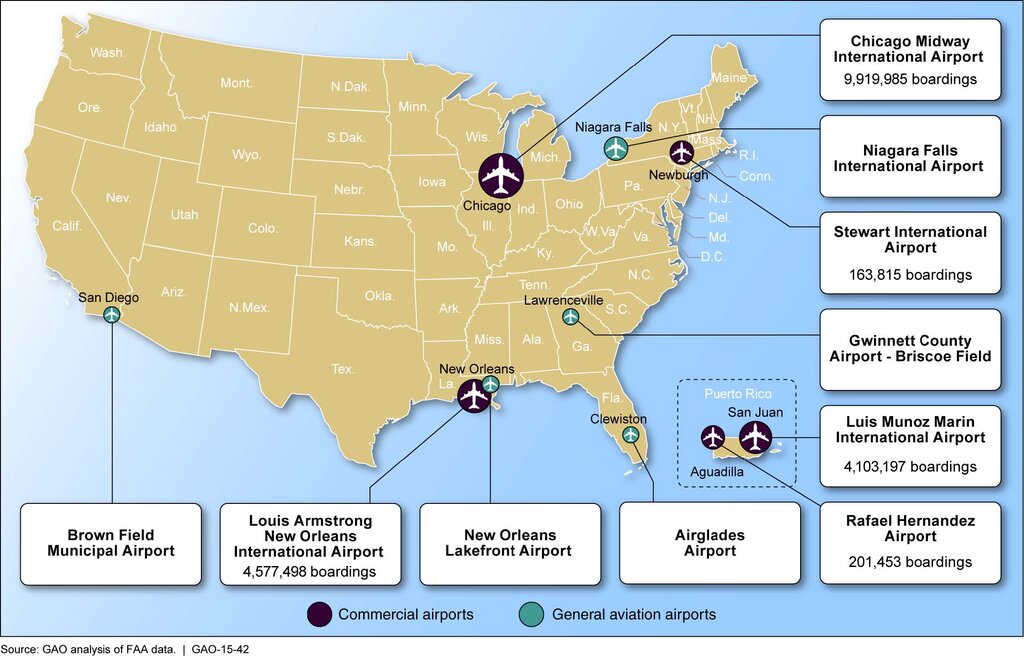
The Federal Aviation Administration (FAA) is the primary regulatory body for civil aviation in the United States. Its responsibilities are immense. The FAA manages the nation's air traffic control system, certifies aircraft and pilots, and sets safety standards for airlines and airports. When you hear about a new plane being approved for service or a change in security procedures, the FAA is almost always involved.
The International Air Transport Association (IATA) is a trade association for the world's airlines. While it's not a government regulator like the FAA, its influence is huge. IATA helps standardize industry practices, from ticketing and baggage handling to safety protocols. For example, the three-letter airport codes you see on your luggage tags (like LAX for Los Angeles or LHR for London Heathrow) are managed by IATA. This standardization allows airlines from different countries to work together smoothly.
| Organization | Type | Primary Role |
|---|---|---|
| FAA | Government Agency (U.S.) | Safety regulation, air traffic control, certification |
| IATA | Global Trade Association | Industry standardization, cooperation, advocacy |
Together, national regulators like the FAA and international bodies like IATA create a web of rules and standards that govern everything from aircraft manufacturing to pilot training. This complex regulatory framework is what makes air travel one of the safest forms of transportation.