Aircraft Maintenance Engineering Fundamentals
Introduction to Aircraft Maintenance Engineering
The Backbone of Aviation Safety
Every time an aircraft takes off, it carries the trust of its passengers and crew. That trust is placed, in large part, on the shoulders of aircraft maintenance engineers. These are the highly skilled professionals who ensure that every single component of an airplane is in perfect working order. Their primary responsibility is to guarantee an aircraft's airworthiness.
Airworthiness
noun
The condition of an aircraft, its engines, propellers, and other components, where they conform to the approved design and are in a condition for safe operation.
Think of an aircraft maintenance engineer as a combination of a detective, a surgeon, and a master mechanic. They inspect, diagnose, repair, and overhaul aircraft systems, from the massive jet engines to the smallest rivet in the fuselage. They follow detailed procedures and meticulously document every action. Without their expertise, modern aviation simply couldn't exist.
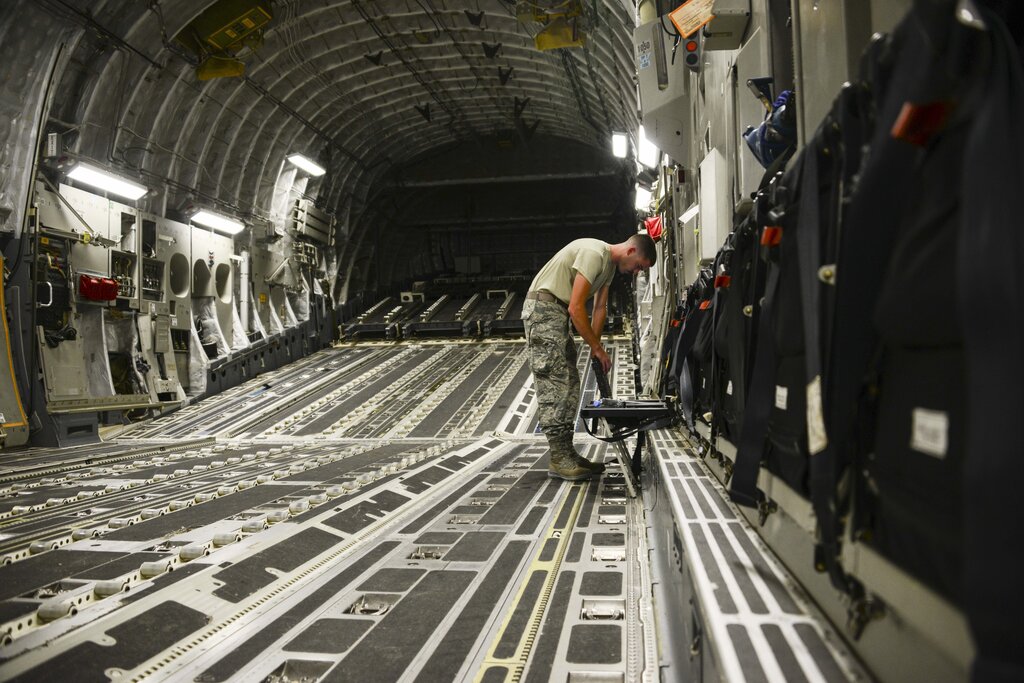
Types of Maintenance
Aircraft maintenance isn't a one-size-fits-all job. It's broken down into different categories based on how complex and time-consuming the work is. The three main types are line, base, and component maintenance.
Line Maintenance is the work done on an aircraft between flights, right at the airport gate. It includes routine daily checks, minor repairs, and replenishing fluids. It's the equivalent of checking the tire pressure and oil level on your car before a long drive.
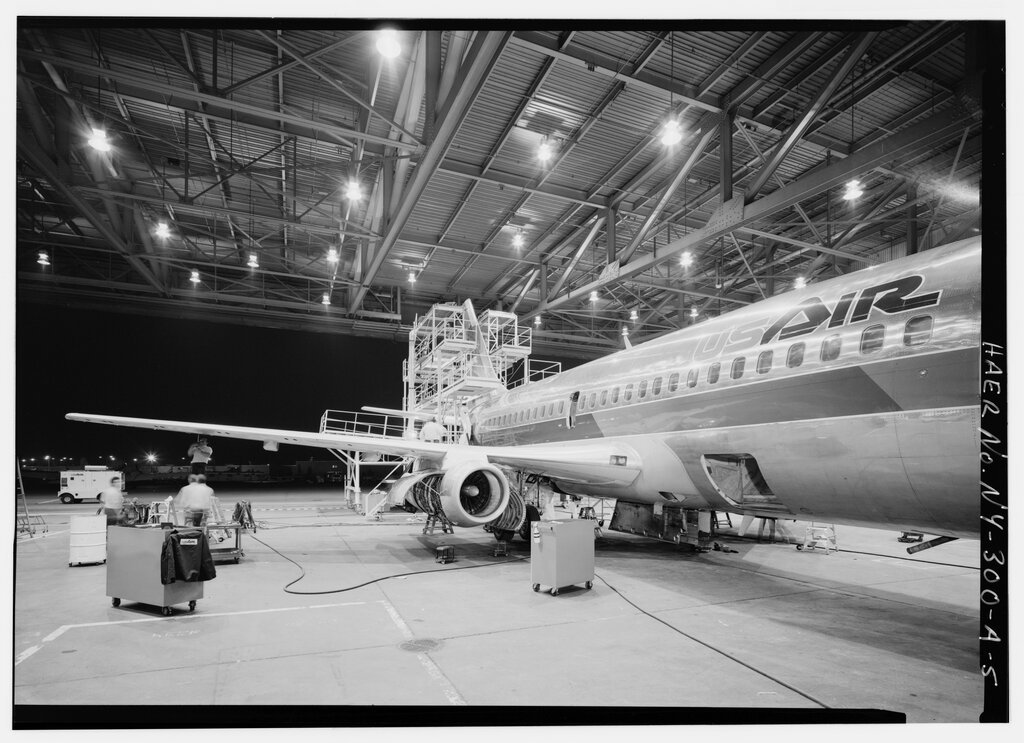
Base Maintenance, on the other hand, is much more thorough. This is the heavy-duty work that requires the aircraft to be taken out of service and moved into a large hangar. These checks, often called C-checks or D-checks, involve taking apart large sections of the aircraft for detailed inspection and overhaul. This is like taking your car to the shop for a major service that takes several days.
Finally, Component Maintenance is specialized work performed on individual parts that have been removed from the aircraft. An engine, a piece of landing gear, or an avionics computer might be sent to a dedicated workshop for repair, testing, and recertification before being installed on another aircraft.
| Maintenance Type | What it is | Where it happens | When it's done |
|---|---|---|---|
| Line | Routine checks, minor fixes | At the airport gate or ramp | Between flights, often overnight |
| Base | Heavy, in-depth inspections | In a large hangar | At scheduled intervals (e.g., every 2 years) |
| Component | Specialized repair of parts | In a specialized workshop | When a specific component needs service |
Following the Schedule
Maintenance isn't performed randomly. Every aircraft follows a strict, continuous schedule of checks and inspections mandated by aviation authorities like the Federal Aviation Administration (FAA) in the United States. This schedule is based on factors like flight hours, flight cycles (one takeoff and landing), or calendar time.
Adhering to these schedules and procedures is non-negotiable. It's the core of regulatory compliance. Every task, no matter how small, must be performed according to the aircraft manufacturer's manuals and government regulations. This system of checks and balances ensures that every aircraft flying is maintained to the same high standard of safety, no matter where it is in the world.
An aircraft is only as safe as its last maintenance check. The detailed records and strict adherence to procedures provide a complete history of the aircraft's health.
Let's review some of the key terms we've covered.
Ready to test your knowledge?
What is the primary responsibility of an aircraft maintenance engineer?
An aircraft is taken out of service and moved into a hangar for a major, multi-day overhaul where large sections are disassembled for inspection. This is an example of:
This structured approach to maintenance, built on the principles of airworthiness and regulatory compliance, is what makes air travel one of the safest forms of transportation.