Aircraft Fuel Systems Explained
Fuel System Basics
Where the Fuel Lives
An aircraft's fuel system is like its circulatory system, with the fuel tanks acting as the heart. They don't just hold fuel; they are designed to store it safely and make it available to the engines. Tanks are located in various parts of the aircraft, most commonly in the wings, but also sometimes in the fuselage or even in external pods. There are three main types you'll encounter.
Integral Tanks: These aren't separate containers at all. Instead, they are part of the aircraft's structure, typically the wing, that has been sealed off to hold fuel. Think of it as using the hollow spaces within the wing bones to store energy. This is an efficient way to use space and is common on larger aircraft.
Rigid Removable Tanks: These are distinct containers, often made of aluminum or another metal, that are built to fit into a specific compartment. They're like a thermos in a lunchbox—self-contained and removable for inspection or repair.
Bladder Tanks: Imagine a tough, flexible bag made of reinforced rubber placed inside a compartment of the aircraft's structure. That's a bladder tank. They are more resistant to crash damage and leaks than rigid tanks, as they can deform without rupturing.
Getting Fuel to the Engine
Storing fuel is only half the battle. The system must also deliver a clean, continuous flow of fuel to the engines under all conditions. This journey from tank to engine involves several key components working in concert.
The fuel pump ensures that fuel reaches the engine under the right pressure.
Aircraft typically have multiple fuel pumps. There are main pumps, usually driven by the engine, that supply high-pressure fuel for combustion. There are also auxiliary or "booster" pumps, which are electric. These are used to prime the system for starting, provide a backup if a main pump fails, and ensure positive fuel pressure to prevent the fuel from vaporizing at high altitudes, a condition known as vapor lock.
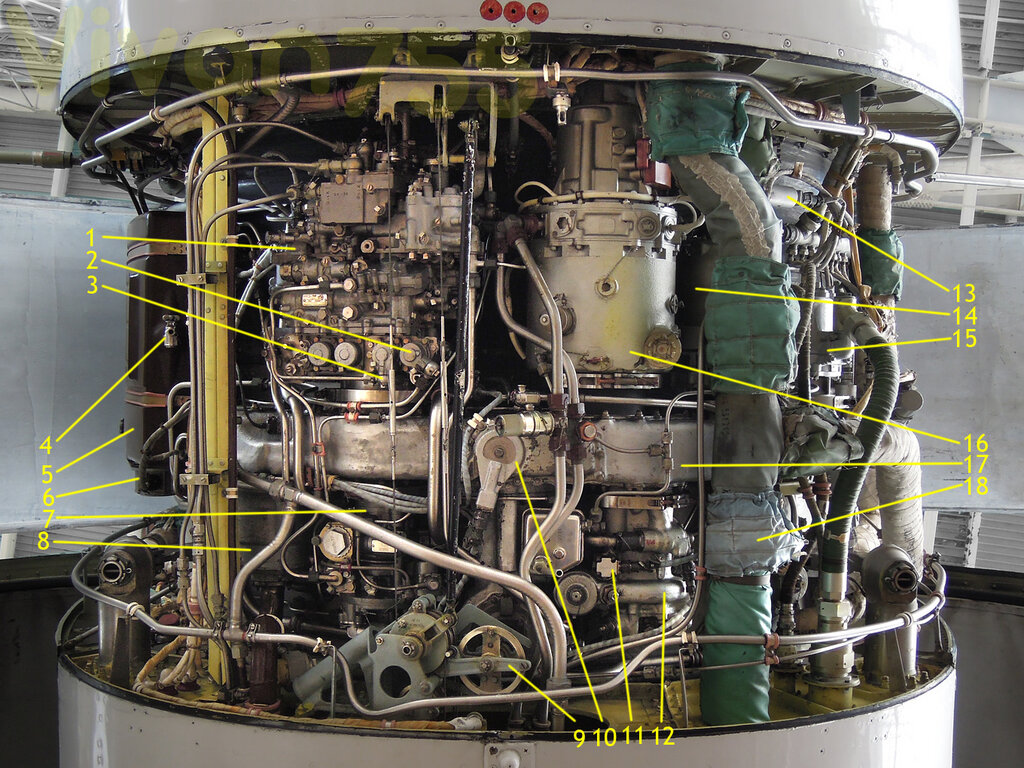
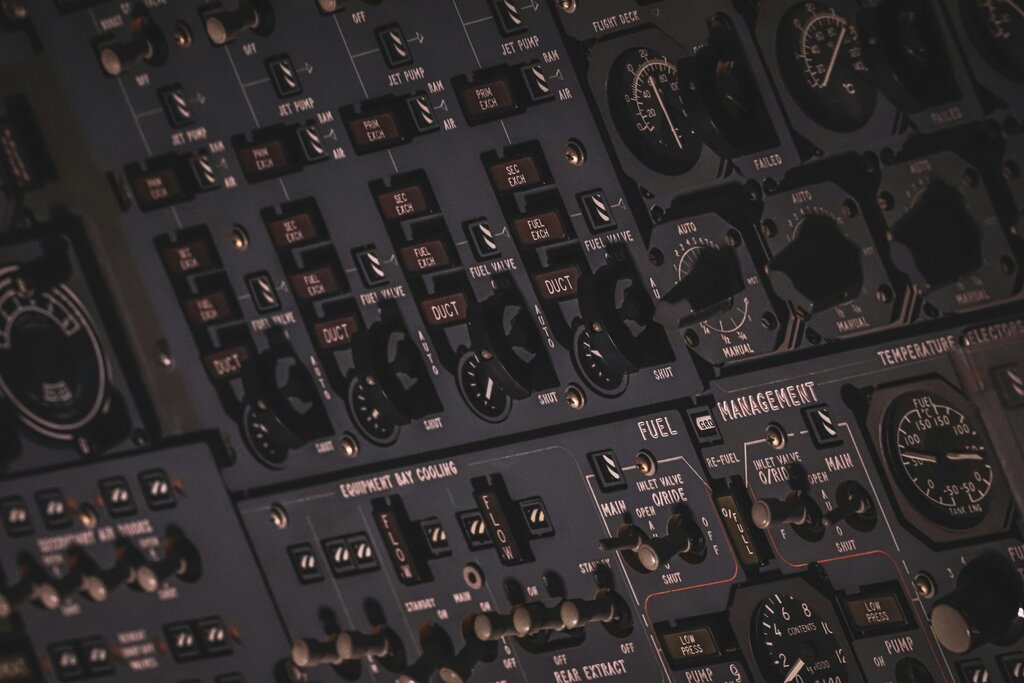
The pilot manages the fuel flow using a fuel selector valve. This control, typically located in the cockpit, allows the pilot to choose which tank the engine draws fuel from. This is crucial for managing the aircraft's balance, as draining one wing tank more than the other could make the plane difficult to control. The selector also has a setting to shut off the fuel flow entirely, which is essential in an emergency like an engine fire.
Before fuel reaches the engine, it must be perfectly clean. Even tiny specks of dirt, rust, or drops of water can clog delicate engine components. To prevent this, the fuel passes through one or more filters. These work just like a coffee filter, trapping contaminants while letting the pure fuel pass through. A final, very fine filter is usually located just before the fuel enters the engine's fuel control unit.
Managing the System
A pilot's job includes being a fuel manager. This isn't just about making sure the tanks aren't empty. It involves careful planning before the flight and active monitoring while in the air. Pilots track fuel burn against their flight plan to ensure they will have enough to reach their destination with a safe reserve.
A key part of pre-flight checks is sampling the fuel. Pilots will drain a small amount of fuel from the lowest points in the tanks, called sumps, into a clear container. They are looking for two things: water and sediment. Water is heavier than fuel and will sink to the bottom, appearing as distinct bubbles or a separate layer. Any contamination must be completely drained before the flight is considered safe.

Using the correct type and grade of fuel is also critical. Putting jet fuel in a piston engine or vice-versa can quickly lead to catastrophic engine failure. Fuel types are color-coded and nozzles are shaped differently to help prevent these costly and dangerous mistakes.
Time to check your understanding of the aircraft fuel system.
What is a primary function of an electric auxiliary or "booster" pump in an aircraft fuel system?
When a pilot drains a small amount of fuel from a tank's sump before a flight, what are they primarily checking for?
Understanding how fuel is stored, delivered, and managed is fundamental to aviation. A reliable fuel system is the lifeblood of any aircraft, ensuring the engines have what they need to perform safely and efficiently.