Ainu History and Culture Unveiled
Ainu Origins
The Jōmon Connection
To understand the origins of the Ainu people, we have to travel back thousands of years to prehistoric Japan. This era, known as the Jōmon period, lasted from roughly 14,000 to 300 BCE. The people of this time were primarily hunter-gatherers, fishers, and foragers. They are famous for creating some of the world's earliest pottery, characterized by its distinctive rope-like patterns.
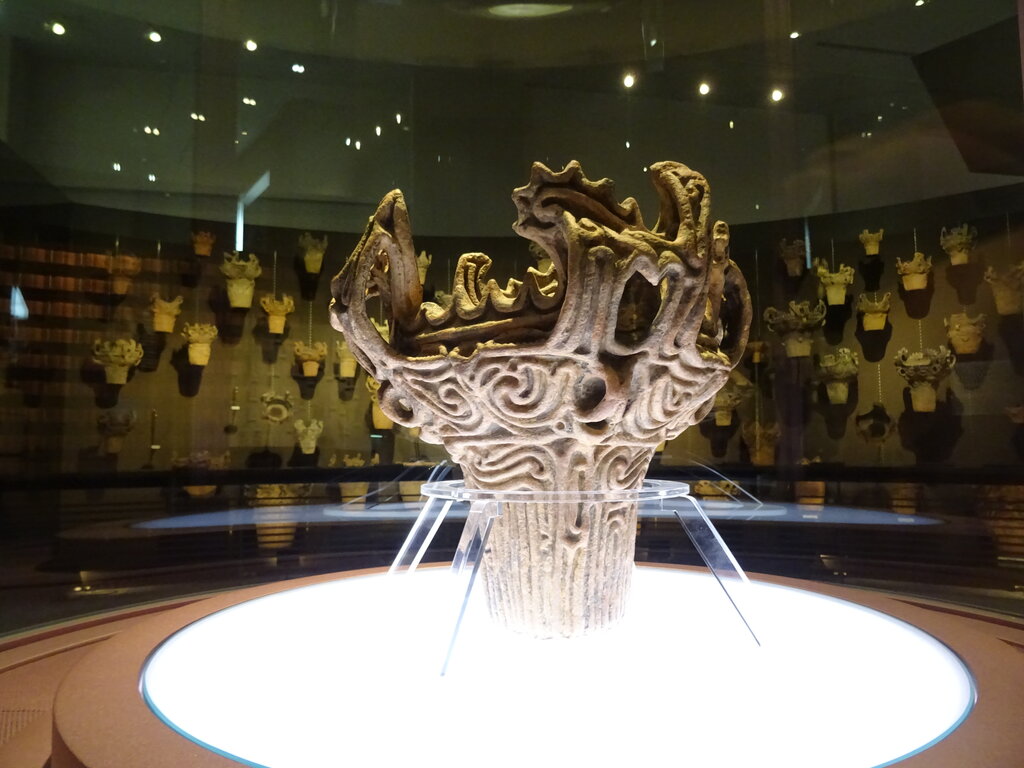
For a long time, the precise relationship between the Jōmon people and the various groups in modern Japan was a topic of debate. However, recent genetic studies have provided a clear link. The research shows that the Ainu people are direct descendants of the Jōmon, carrying a significant proportion of Jōmon genetic markers. In fact, they retain more of this ancient ancestry than the majority Yamato Japanese population, who trace their lineage to a mix of Jōmon people and later agricultural migrants known as the Yayoi.
Tracing Early Footsteps
This genetic heritage is supported by archaeological evidence from the historical homeland of the Ainu. Early settlements were concentrated in the north of the Japanese archipelago, primarily on the island of Hokkaido. Their territory also extended to Sakhalin, a large island to the north, and the Kuril Islands, an archipelago stretching northeast towards Russia. The locations of ancient villages and artifacts found there mirror the known historical distribution of the Ainu people.
Excavations at these sites have unearthed tools and remnants of dwellings that paint a picture of a society deeply connected to its environment. They reveal a culture adept at hunting bear and deer, fishing for salmon, and gathering wild plants. The material culture shows a continuation and evolution of Jōmon-period traditions, adapted specifically to the colder northern climates.
A Culture Carved from Nature
The artifacts left behind by early Ainu populations showcase a unique and sophisticated material culture. Their clothing was often crafted from natural fibers, such as the inner bark of the elm tree, and decorated with intricate geometric patterns. These designs were not merely decorative; they held spiritual significance and were unique to different family groups.
Their tools were expertly crafted for their hunter-gatherer lifestyle. They developed specialized harpoons for marine mammal hunting and unique spring-loaded traps for land animals. Spiritual life was also rich, reflected in carved wooden prayer sticks called inau and ceremonial practices centered on the spirits (kamuy) they believed inhabited all things in nature, especially animals like bears.
This deep connection to the Jōmon period, visible in their genes, geography, and culture, establishes the Ainu as one of the earliest distinct peoples of the Japanese archipelago.