AI Workflows for Professional Services
Introduction to AI in Professional Services
AI in the Office
Artificial Intelligence, or AI, is more than just a buzzword. It's a fundamental shift in how businesses operate. At its core, AI refers to computer systems that can perform tasks that typically require human intelligence. This includes learning from experience, understanding language, recognizing patterns, and making decisions.
Think of it less as a robot sitting at a desk and more as smart software working alongside professionals. In fields like law, accounting, consulting, and marketing, AI is not replacing human experts. Instead, it’s becoming a powerful tool that helps them work more efficiently and deliver better service to clients.
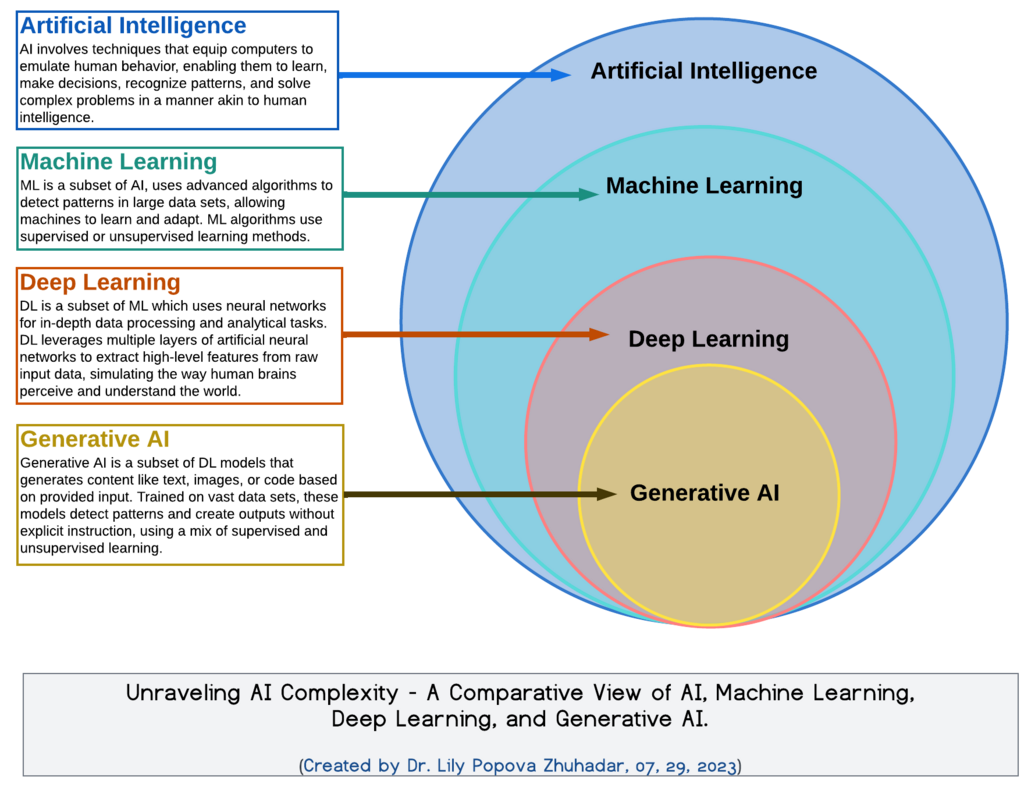
Two key areas of AI are driving this transformation: Machine Learning and Natural Language Processing.
The Core Technologies
Machine Learning (ML) is a type of AI where computers learn from data without being explicitly programmed for every task. Instead of writing step-by-step instructions, developers create algorithms that allow the system to identify patterns and make predictions on its own.
For example, an accounting firm could use ML to analyze thousands of past transactions to flag potential fraud in real-time. The system learns what fraudulent activity looks like and gets better at spotting it over time.
Natural Language Processing (NLP) is what allows machines to understand, interpret, and respond to human language, both written and spoken. It’s the technology behind virtual assistants and customer service chatbots.
A law firm might use NLP to quickly summarize thousands of pages of legal documents, pulling out key clauses and precedents. This saves paralegals and lawyers countless hours of manual reading.
Boosting Efficiency and Service
When you combine technologies like ML and NLP, you get powerful automation. In professional services, automation is about much more than just speeding up repetitive tasks. It's about augmenting human capabilities.
By automating data entry, document review, and routine client communications, AI frees up professionals to focus on higher-value work. This includes strategic planning, building client relationships, and creative problem-solving, tasks that require a human touch.
By integrating AI-powered systems, firms can automate the repetitive, data-intensive tasks that consume valuable professional time, allowing experts to focus on high-value client engagement and strategic growth.
The impact is twofold. First, efficiency skyrockets. Projects that once took weeks can now be completed in days or even hours. This allows firms to take on more clients and operate more profitably. Second, the quality of client service improves. With AI handling the data analysis, professionals have deeper insights at their fingertips, leading to better advice and more personalized service. They can answer client questions faster and anticipate needs before they even arise.
This foundational shift allows professional services to become more proactive and data-driven, ultimately delivering more value.