AI Workflow Mastery
Introduction to AI Workflows
What Is an AI Workflow?
Think of an AI workflow as a recipe for getting a job done with artificial intelligence. It's a structured sequence of steps that takes raw data and transforms it into a useful outcome, like a prediction, a decision, or a piece of creative content. Each step feeds into the next, creating an automated and intelligent process.
The main goal is to make processes smarter, faster, and more efficient. By setting up a clear workflow, businesses can automate repetitive tasks, uncover hidden insights in their data, and free up human teams to focus on more complex and creative problems.
AI automation is revolutionizing industries by making processes smarter, faster, and more efficient.
The Building Blocks of a Workflow
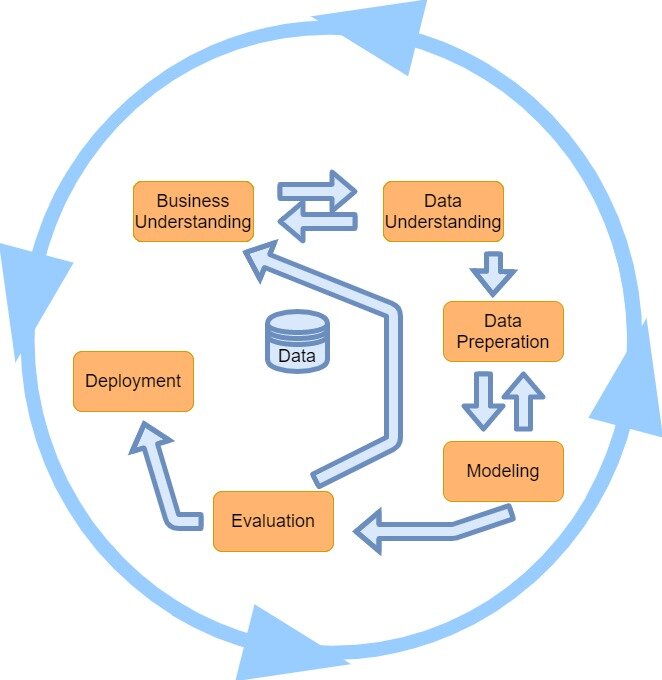
While AI workflows can vary depending on the goal, they generally follow a standard path. Understanding these core components helps demystify what's happening behind the scenes.
1. Data Collection: This is where it all starts. Raw data is gathered from various sources, like customer databases, sensor readings, or user activity on a website. Without good data, an AI model has nothing to learn from.
2. Data Preparation: Raw data is often messy, incomplete, or inconsistent. This step involves cleaning it up, formatting it correctly, and getting it ready for the AI model. It's like organizing your ingredients before you start cooking.
3. Model Training: Here, the prepared data is fed to an AI algorithm. The model learns to identify patterns, relationships, and features within the data. This process is repeated thousands or even millions of times until the model becomes accurate at its specific task, such as identifying spam emails or forecasting sales.
4. Evaluation: Once the model is trained, it needs to be tested. It's given new data it has never seen before to see how well it performs. This step ensures the AI is reliable and accurate before it's put to use.
5. Deployment: After passing evaluation, the AI model is integrated into a real-world application or business process. This is when the workflow starts delivering actual value, like recommending products to online shoppers or detecting fraudulent transactions in real time.
Benefits in the Real World
Integrating AI workflows into business isn't just about technology; it's about fundamentally improving how work gets done. The primary benefit is automation. AI can take over repetitive, time-consuming tasks, freeing up human workers to focus on strategic thinking and creative problem-solving.
For example, a marketing team can automate the process of sorting customer feedback. An AI workflow can collect comments from social media, analyze them for positive or negative sentiment, and route urgent issues to the support team, all without manual intervention.
AI workflows also lead to better, faster decision-making. Because AI can process vast amounts of data far more quickly than a human can, it can spot trends and anomalies that would otherwise go unnoticed. This helps businesses optimize their resources, from managing inventory in a warehouse to allocating the right staff for a project.
Another example is in healthcare, where an AI workflow can analyze medical images to help doctors detect diseases earlier. The workflow gathers patient scans, preprocesses the images, runs them through a trained model to flag potential issues, and presents the findings to a radiologist for final review. This streamlines the diagnostic process and improves patient outcomes.
By breaking down complex tasks into a series of manageable, automated steps, AI workflows drive innovation and create a foundation for more intelligent business operations.
What is the primary purpose of an AI workflow?
In an AI workflow, the stage where a model is tested with new, unseen data to ensure it is reliable and accurate is called ______.