AI Voice and Video Cloning
Introduction to AI Voice and Video Cloning
The Basics of Digital Replication
Imagine being able to create a perfect copy of someone's voice or a realistic video of them saying something they never actually said. This is the core idea behind AI voice and video cloning. These technologies use artificial intelligence to analyze, learn, and then recreate human speech and likenesses with stunning accuracy.
Voice Cloning
noun
The process of using artificial intelligence to create a synthetic, computer-generated copy of a person's voice.
At its heart, voice cloning is about pattern recognition. An AI model is fed audio samples of a target voice. It listens to the pitch, tone, accent, and unique quirks of the speaker. After processing enough data, the model can generate new speech that sounds just like the original person, capable of saying anything you type.
Voice cloning involves creating a synthetic version of a real person's voice using their audio recordings.
Video cloning, sometimes called creating a digital avatar, works on a similar principle. It analyzes video footage of a person to understand their facial expressions, movements, and mannerisms. The AI then builds a digital model that can be animated to mimic the person's appearance and behavior, often synced with a cloned voice.
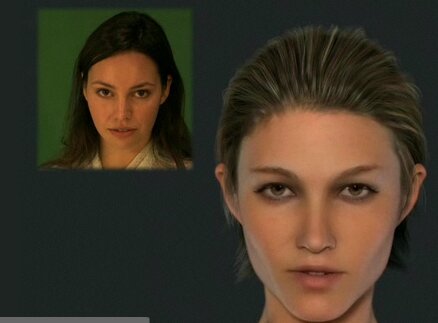
The goal is to create a digital puppet so realistic it's indistinguishable from the real person. This requires capturing vast amounts of data, from how someone blinks to the way they smile.
The avatar cloning process typically requires just a few minutes of recorded footage and audio, allowing AI to generate personal digital portraits for anyone.
From Robots to Realism
The journey to realistic cloning began decades ago. Early speech synthesis was robotic and clunky. Think of the monotone, computerized voices in old sci-fi movies or early GPS devices. These systems followed simple rules to convert text into sound, without the nuance of human speech.
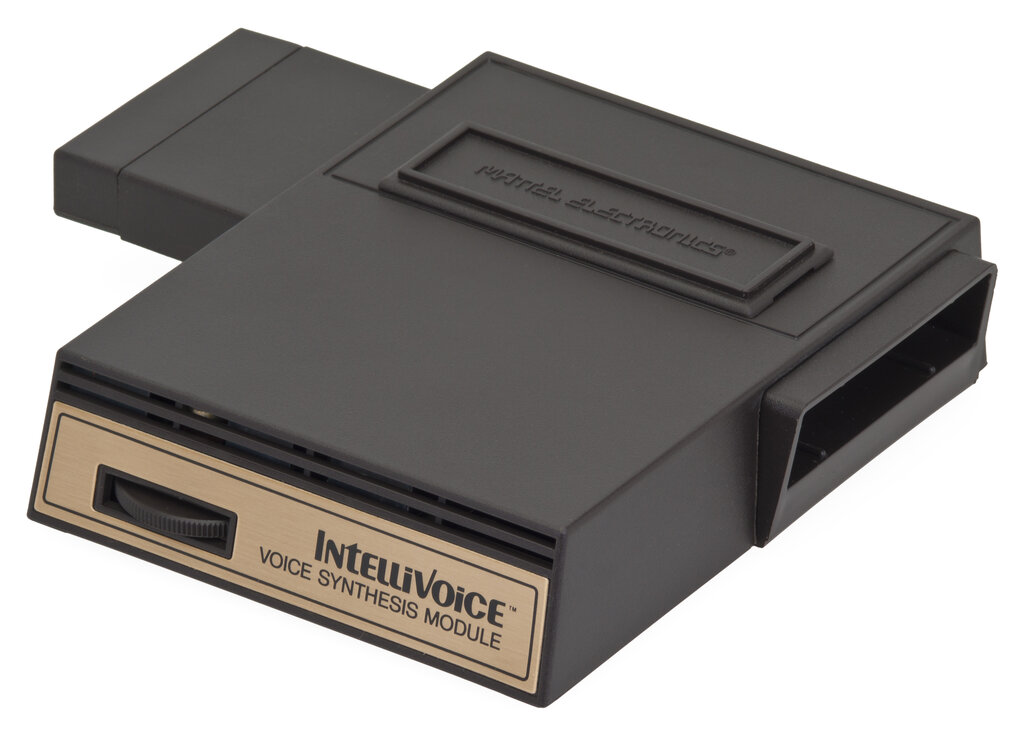
The big breakthrough came with machine learning, specifically deep neural networks. Instead of being programmed with rules, these new systems could learn from examples. By analyzing thousands of hours of speech, they learned the subtle patterns that make voices sound natural.
Video cloning followed a similar path. Early computer-generated imagery (CGI) often looked artificial. But as AI models became more sophisticated, they could generate more lifelike digital humans, paving the way for the realistic avatars we see today.
Cloning in the Wild
Voice and video cloning are no longer just science fiction. They have practical applications across many industries. In entertainment, voice cloning is used to dub films into different languages using the original actor's voice. It can also create dialogue for video game characters or even bring a historical figure's voice back to life for a documentary.
Just as importantly, the latest AI video tools support easy localization (producing content in multiple languages) and personalization through features like custom avatars and voice cloning.
In customer service, businesses are using AI voice agents to handle calls. These agents can have custom voices that match a company's brand, providing a more personalized experience for customers. Instead of a generic automated menu, you might interact with a friendly, natural-sounding virtual assistant.
These technologies also power personalized digital assistants, create accessible content for people with visual impairments by converting text to natural-sounding speech, and offer new creative tools for artists and content creators.
Ready to check your understanding?
What is the core principle behind AI voice cloning?
What was the major technological advancement that enabled realistic AI voice and video cloning, moving beyond the robotic sounds of early systems?
From entertainment to everyday communication, AI cloning technologies are reshaping how we interact with the digital world. They represent a major leap in making technology sound and look more human.