AI Voice Agents in Healthcare Software
Introduction to AI in Healthcare
What is AI in Healthcare?
Artificial intelligence in healthcare means using smart computer systems to handle tasks that typically require human intelligence. Think of it as giving medical professionals powerful tools to analyze complex data, make more informed decisions, and ultimately improve patient care.
At the core of this transformation are a few key technologies. The first is Machine Learning (ML). This is where algorithms learn from vast amounts of medical data, like patient records and lab results, to identify patterns and make predictions. It’s similar to how a doctor gains experience over years of practice, but an AI can process millions of cases in a fraction of the time.
The second is Natural Language Processing (NLP). This technology allows computers to understand, interpret, and generate human language. In a hospital, NLP can be used to make sense of doctors' handwritten notes, transcribe patient conversations, and pull key information from lengthy medical reports.
Essentially, AI acts as a highly advanced assistant, capable of spotting subtle details in data that might be missed by the human eye.
AI's Role in Modern Medicine
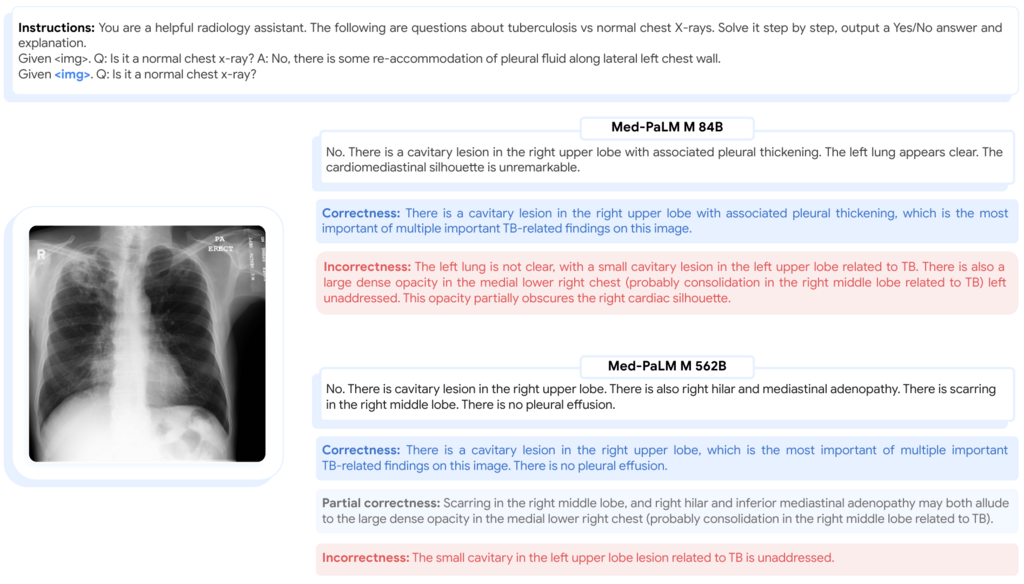
AI is not a futuristic concept; it's already being used in hospitals and clinics around the world. One of the most significant applications is in diagnostics, especially in medical imaging. AI models can analyze X-rays, CT scans, and MRIs to detect signs of diseases like cancer or stroke with remarkable accuracy, sometimes even earlier than human specialists.
Beyond diagnostics, AI is paving the way for personalized medicine. By analyzing a patient's genetic information, lifestyle, and environment, AI can help doctors create tailored treatment plans. Instead of a one-size-fits-all approach, treatments can be customized for maximum effectiveness.
AI is also accelerating drug discovery. The process of developing a new medication can take over a decade and cost billions of dollars. AI algorithms can analyze biological data to identify potential drug candidates much faster, dramatically speeding up research and development.
Finally, AI is improving the operational efficiency of healthcare systems. It can automate administrative tasks like scheduling appointments, managing patient records, and even predicting patient flow in hospitals to reduce wait times. This frees up doctors, nurses, and staff to focus on what they do best: caring for patients.
Benefits and Hurdles
The potential benefits of AI in healthcare are immense. It promises greater accuracy in diagnoses, more efficient hospitals, and more effective treatments. By automating routine tasks, AI can reduce the burden on healthcare professionals, potentially lowering rates of burnout. It also holds the potential to make healthcare more accessible, bringing expert-level analysis to underserved or remote areas.
However, the path to widespread adoption is not without its challenges.
Artificial intelligence (AI) has huge potential to improve the health and well-being of people, but adoption in clinical practice is still limited.
One of the biggest concerns is data privacy. AI systems require massive amounts of sensitive patient data to learn, and ensuring this data remains secure is a top priority.
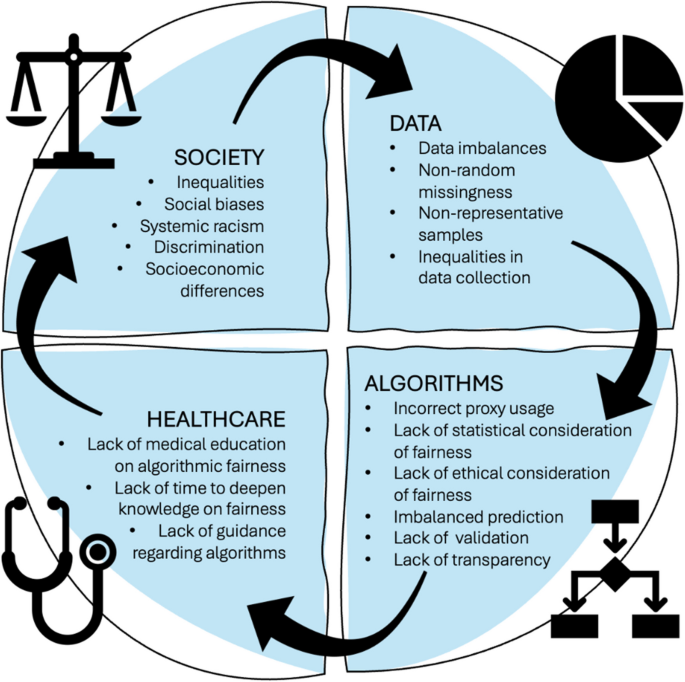
Another critical issue is algorithmic bias. If an AI is trained on data that reflects existing societal biases, its decisions can perpetuate or even worsen health disparities. For example, if an algorithm is trained primarily on data from one demographic group, it may be less accurate for others.
There are also practical hurdles, such as the high cost of implementation and the difficulty of integrating new AI systems with older hospital technology. Building trust among both clinicians and patients is another key step. Doctors need to be confident in the AI's recommendations, and patients need to feel comfortable with its role in their care.
Addressing these challenges is crucial for harnessing the full power of AI to create a healthier future.
Which core AI technology is primarily used to analyze medical images like X-rays and CT scans to detect diseases?
What is meant by "algorithmic bias" in the context of healthcare AI?