AI Voice Agents Demystified
Introduction to AI Voice Agents
More Than Just a Voice
You've probably talked to a machine before. Maybe you asked your phone for the weather, or navigated a company's phone menu by speaking your choices. These interactions are powered by voice agents, software designed to understand and respond to human speech.
An AI voice agent is a program that uses artificial intelligence to hold a conversation, understand what you mean, and perform tasks based on your spoken commands.
Their main purpose is to make technology more accessible and efficient. Instead of typing on a keyboard or tapping through menus, you can just talk. This frees up your hands and can often be much faster. They act as a bridge between us and the digital world, automating simple tasks and retrieving information on command.
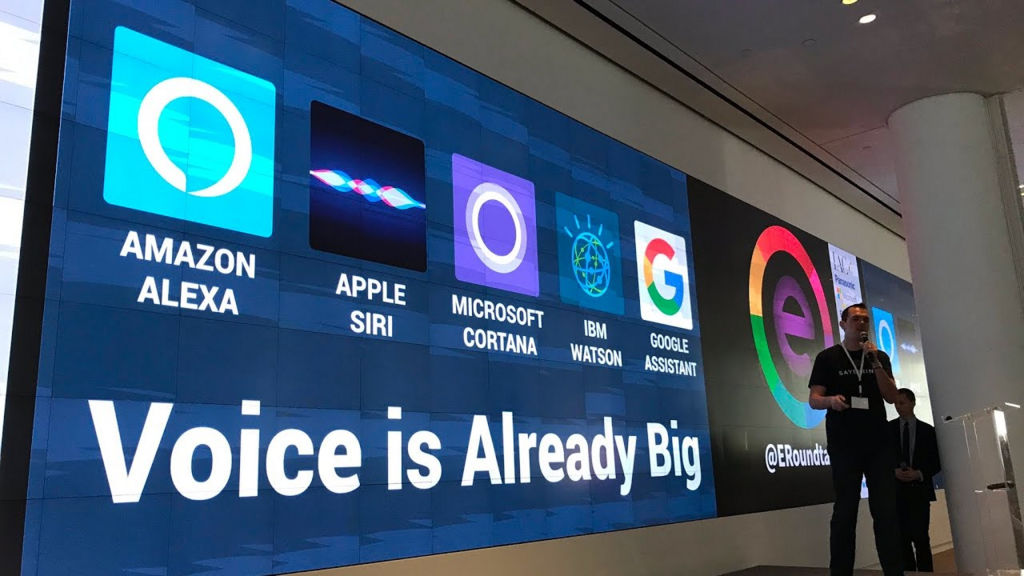
From Menus to Minds
Voice agents weren't always so smart. The journey started with simple, rule-based systems.
Early systems, known as Interactive Voice Response (IVR), were clunky. They could only understand a very limited set of words, forcing you to follow a strict script. Think of phone banking in the 90s, where you had to say "yes," "no," or "main menu" very clearly.
Next came basic command recognition. This was a step up, allowing devices to recognize specific commands like "play music" or "set a timer." While more useful, these systems still lacked any real understanding. They were just matching sounds to a list of pre-programmed actions.
The real game-changer was artificial intelligence. Modern AI voice agents can do much more than just follow orders. They use natural language processing to understand the meaning and context behind your words. This allows for genuine conversations, where the agent can answer follow-up questions, handle complex requests, and even learn from past interactions to become more helpful over time.
A Voice in Every Industry
AI voice agents are no longer just for personal assistants. Their ability to automate tasks and streamline communication has made them valuable across many fields.
| Industry Sector | Common Use of Voice Agents |
|---|---|
| Customer Service | Answering common questions, routing calls, and resolving issues without a human. |
| Healthcare | Helping doctors dictate notes, assisting patients with medication reminders. |
| Automotive | Allowing drivers to control navigation, music, and calls hands-free. |
| Retail | Helping customers find products, check stock, and place orders with their voice. |
| Finance | Providing account balances, transaction history, and fraud alerts. |
In each case, the goal is the same: to create a smoother, more natural interaction between people and technology. By understanding our voice, these agents remove barriers and make complex systems easier for everyone to use.
Ready to check your understanding?
What was a primary limitation of early Interactive Voice Response (IVR) systems?
Which technology was the key 'game-changer' that allowed voice agents to understand the meaning and context behind words?
As AI continues to improve, these voice agents will become even more capable, further integrating into our daily routines and professional lives.