AI Viral Video Cloning
Introduction to AI Video Generation
From Words to Motion
You can now create a video by simply describing what you want to see. This isn't science fiction; it's the power of AI video generation. This technology transforms written prompts into moving images, opening up a new frontier for creators, marketers, and storytellers. Instead of needing cameras, actors, or complex editing software, you just need an idea and the words to describe it.
Generative AI
noun
A type of artificial intelligence that can create new and original content, including text, images, music, and video, based on the data it was trained on.
The significance is huge. Businesses can produce promotional videos in minutes. Independent filmmakers can visualize scenes without a big budget. Educators can create custom animations to explain complex topics. This technology democratizes video creation, making it accessible to anyone with a computer.
Modern AI video tools can transform text into compelling videos in just a few minutes.
How It Works
At the heart of this technology are text-to-video models. Think of them as incredibly advanced artists that have studied millions of videos and their descriptions. When you give one of these models a prompt, like "a golden retriever chasing a red ball in a sunny park," it gets to work.
The AI first analyzes your text to understand the key elements: the subject (dog), the action (chasing), the object (ball), and the setting (park). It then uses its vast knowledge to generate a sequence of images that match this description, ensuring they flow together smoothly to create motion. This process involves complex neural networks that can connect words with visual concepts and temporal consistency.
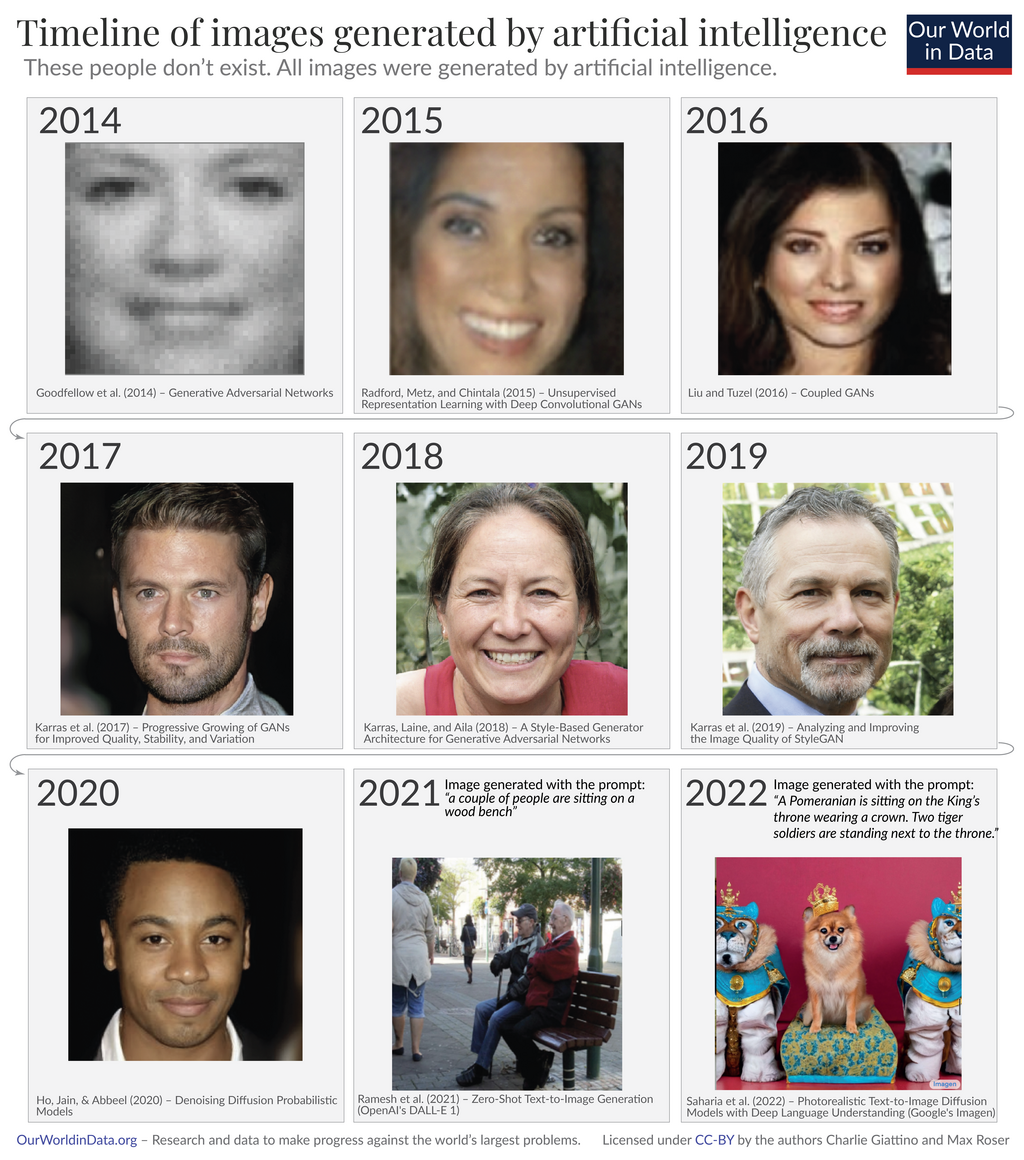
This process is an evolution. AI's role in media began with simpler tasks, like analyzing data to recommend movies or tagging photos on social media. Over time, as computer processing power grew and algorithms became more sophisticated, AI transitioned from an analyst to a creator. We saw this first with text generation, then with still images, and now with video.
Tools of the Trade
A growing number of platforms now offer AI video generation. Some are designed for professional creators with lots of customization options, while others are built for simplicity, allowing anyone to get started quickly. These tools vary in their capabilities, video quality, and pricing. Some might excel at creating realistic scenes, while others are better for animation or abstract visuals.
Choosing the right tool often depends on your specific goal, whether it's making a quick social media clip, a product demo, or a short film.
Here are some of the key players in the space. Keep in mind that this field is evolving rapidly, with new tools and features appearing all the time.
| Platform | Primary Use Case | Key Feature |
|---|---|---|
| Sora (OpenAI) | High-fidelity, realistic video | Exceptional detail and scene consistency |
| Runway | Creative and professional editing | Suite of AI-powered editing tools |
| Pika Labs | General purpose, user-friendly | Easy to use for beginners |
| HeyGen | AI avatar and presentation videos | Creates realistic talking avatars from text |
Getting started with these tools is the best way to understand their potential. Experimenting with different prompts and seeing how the AI interprets them is part of the creative process. As you get more familiar, you'll learn how to write more effective prompts to get the exact video you envision.
Ready to check your understanding?
What is the primary input used to create a video with an AI video generator?
What is a major benefit of AI video generation technology as described in the text?
This technology is still in its early stages, but its ability to turn a simple sentence into a dynamic video is already changing how we think about creating content.