AI Video Prompt Engineering
Introduction to AI Video Generation
From Text to Moving Pictures
At its core, AI video generation is the process of turning a written description, or prompt, into a video clip. You type a sentence describing a scene, and an AI model creates the moving images to match. It's like having a film crew in your computer that can bring any idea to life, from a simple shot of a dog playing in a park to a complex animation of a spaceship landing on Mars.
The significance of this technology is huge. It dramatically lowers the barrier to creating high-quality video. Before, making even a short video required cameras, actors, software, and a lot of time. Now, anyone with an idea can generate visual content in minutes. This opens up new possibilities for artists, marketers, educators, and anyone who wants to tell a story visually.
Generative AI can be used to create compelling content, including audio, code, images, text, simulations and videos of interest to target the clients you wish to engage and acquire.
A Quick Look Back
AI's journey into multimedia didn't start with video. For years, the focus was on generating static images. Early attempts were blurry and abstract, but the technology improved at an incredible pace. Within a decade, AI went from creating grainy, black-and-white faces to photorealistic, highly detailed scenes based on complex prompts.
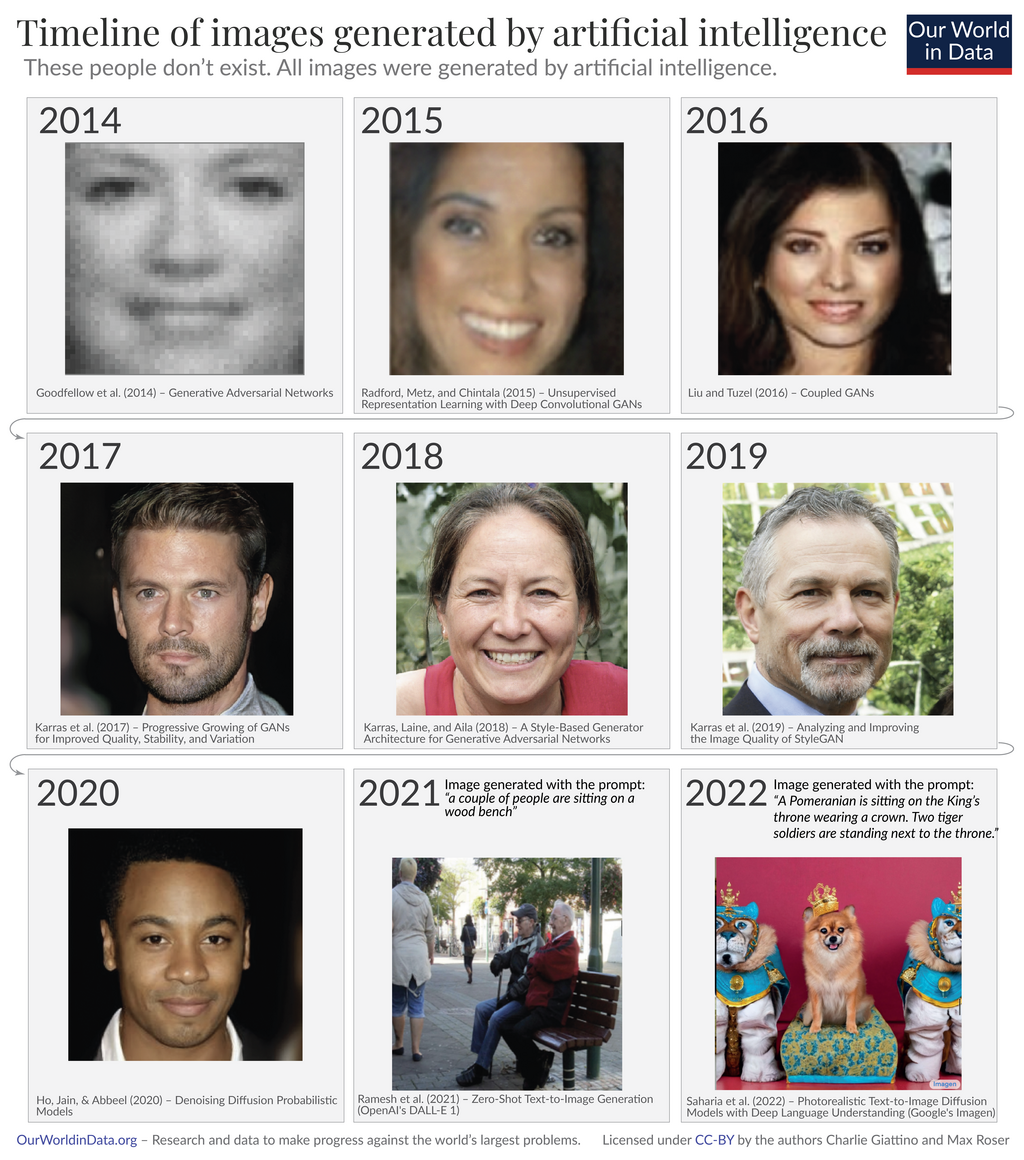
Video was the logical next frontier. A video is essentially a sequence of images shown in rapid succession, with the added challenge of maintaining consistency and realistic motion from one frame to the next. Once AI models mastered the art of the single image, researchers began training them to understand how objects and scenes should change over time.
The Tech Behind the Magic
Several key technologies work together to make AI video generation possible. It all starts with the broad field of Artificial Intelligence.
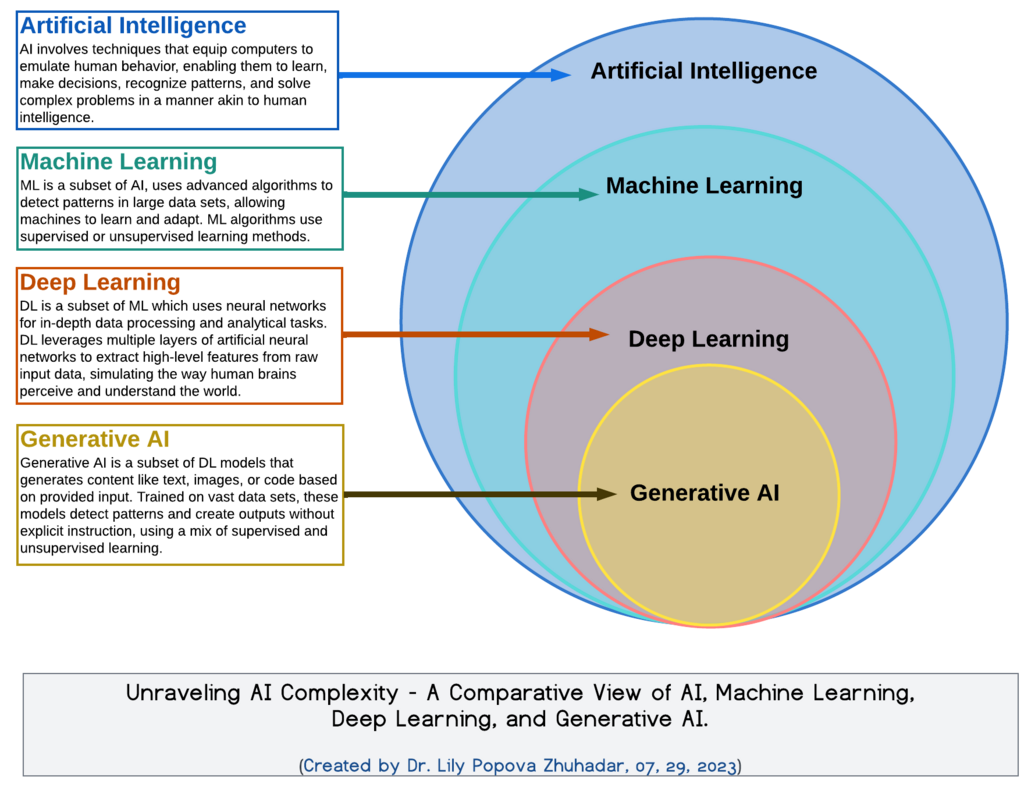
Within AI, we have Machine Learning, which is the practice of training computers to learn patterns from data without being explicitly programmed. For video generation, models are trained on a massive library of existing videos and associated text descriptions. They learn the connections between words like "running" and the visual patterns of motion.
Neural Networks, a key part of machine learning, are systems inspired by the human brain. They process information in layers, allowing them to recognize complex patterns, like the difference between a cat walking and a cat pouncing.
Many of today's top video generators use a technique called diffusion models. The process can be compared to a sculptor starting with a block of marble. A diffusion model starts with a frame of pure digital noise—like static on an old TV—and gradually refines it, step-by-step, chipping away the noise until a clear image that matches the prompt appears. To create a video, the model does this for a sequence of frames, ensuring the movement between them is smooth and logical.
Meet the Key Players
The field of AI video generation is evolving quickly, with a few major platforms leading the way. You don't need to be an expert in any of them, but it's helpful to know who they are.
| Platform | Developer | Notable Feature |
|---|---|---|
| Sora | OpenAI | Known for generating longer, high-fidelity, and logically coherent videos. |
| Veo | Integrates with Google's broader ecosystem and focuses on cinematic quality. | |
| Gen-4 | Runway | A pioneer in the space, offering a suite of creative tools for filmmakers. |
| Firefly Video | Adobe | Designed to integrate seamlessly with Adobe's professional creative software. |
These tools are already making an impact across various industries. Marketing teams use them to quickly create social media ads. Film studios use them to visualize scenes before shooting, a process called pre-visualization. Educators can create custom animations to explain complex topics, making learning more engaging.
The ability to generate video from a simple text prompt is transforming industries by making visual storytelling accessible to everyone, regardless of their technical skill or budget.
Ready to test what you've learned about the fundamentals of AI video generation?