AI Video Generation Workflow
Introduction to AI Video Generation
From Text to Moving Pictures
At its core, AI video generation is the process of using artificial intelligence to create video content from a starting point, which is usually a line of text or a static image. Think of it like giving a script or a single photograph to a machine and having it direct, animate, and produce a moving scene based on your instructions.
This technology doesn't just stitch images together. It learns from vast amounts of existing video data to understand concepts like motion, object interaction, and even visual storytelling. When you type "a dog chasing a red ball in a park," the AI doesn't just find clips of dogs and balls; it generates entirely new pixels to create a unique video that matches your description.
The goal is to turn a simple idea into a dynamic, visual narrative without needing a camera, crew, or animation studio.
A Quick Rewind
The journey to AI-generated video began with AI-generated images. For years, scientists trained models to create still pictures from text. The results were initially abstract and blurry, but they improved at a dizzying pace. As these image models grew more sophisticated, the next logical step was to make them move.
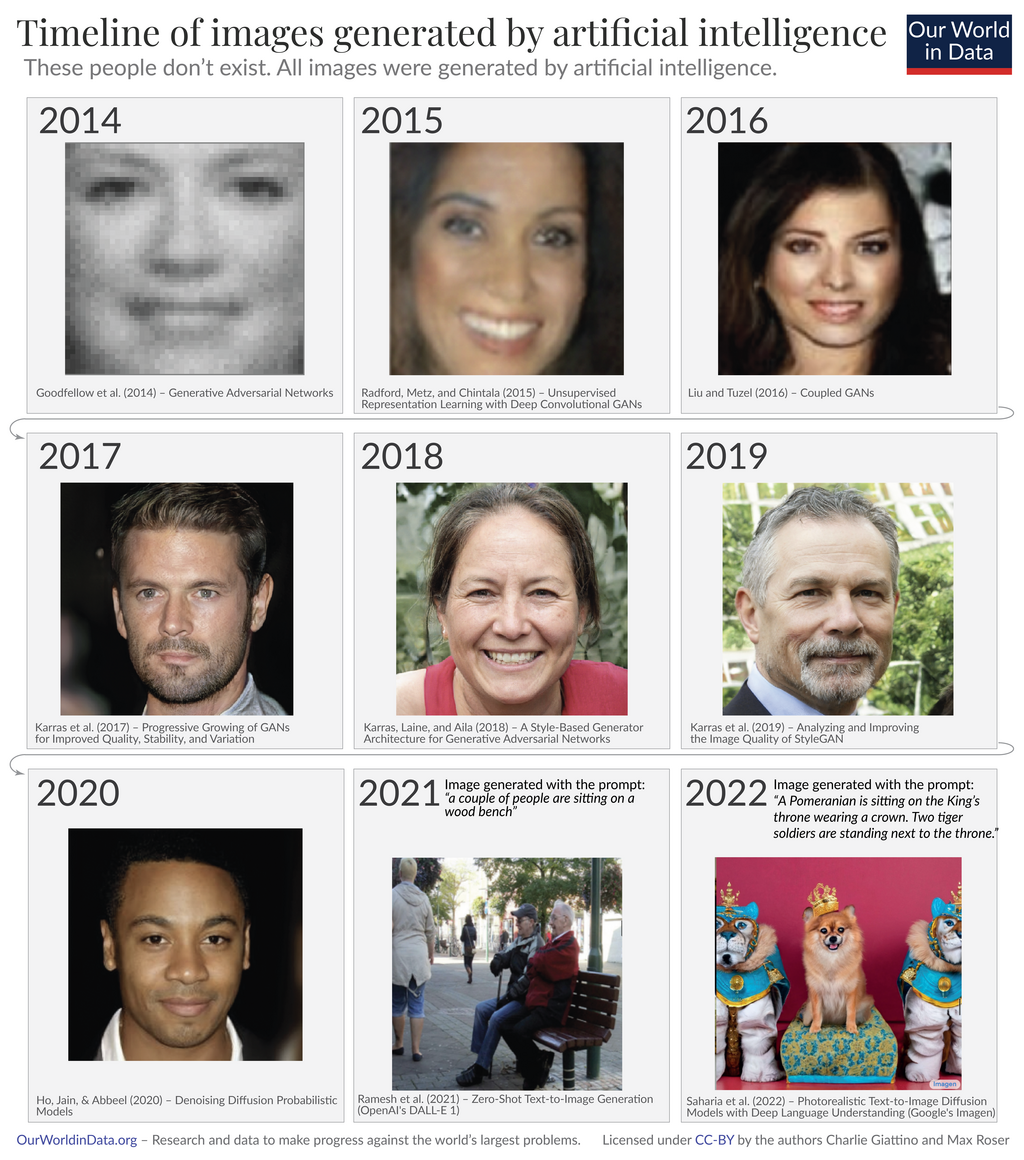
Early AI videos, emerging in the early 2020s, were often short, low-resolution, and lacked coherence. A character's appearance might change from one second to the next, or objects might morph unnaturally. But each new model brought significant leaps in quality. Key milestones weren't just about making prettier pictures, but about achieving consistency over time—making sure a person in the first frame looks like the same person in the last.
Changing the Creative Landscape
The rise of AI video is beginning to reshape the creative industry. For filmmakers, advertisers, and individual creators, it offers a way to visualize ideas and create prototypes almost instantly. An entire storyboard could be brought to life in minutes, allowing for rapid experimentation with different concepts.
This dramatically lowers the barrier to entry for video production. Suddenly, creating a short animated film or a dynamic product ad doesn't require a massive budget or a team of specialists.
However, the technology comes with significant challenges. One of the biggest hurdles is maintaining consistency, especially with human characters. Can an AI keep a character looking identical across different scenes and actions? Another major concern is the potential for misuse, such as creating realistic but fake videos, often called deepfakes.
There's also the human element. While AI can generate stunning visuals, it currently struggles with the nuance, emotional depth, and storytelling instincts that human directors and editors bring to a project. The industry is still figuring out how to best blend AI's capabilities with human creativity.
Ready to check your understanding of these core concepts?
What is the most common starting point for creating a video using AI generation technology?
AI video generation technology evolved directly from the advancements in which other AI field?
AI video generation is a rapidly evolving field. By understanding its foundations, you're better prepared to see where this transformative technology is headed next.