AI Video Generation with Detailed Prompts
Introduction to AI Video Generation
From Words to Moving Pictures
Imagine describing a scene in detail to an artist who can instantly bring it to life. That's the core idea behind AI video generation. You provide a written description, called a prompt, and an AI model synthesizes a video based on your words. This process is known as text-to-video synthesis.
These AI models are trained on vast datasets of videos and their corresponding text descriptions. By analyzing countless examples, they learn the relationships between words and visual concepts. When you give the AI a prompt like "a golden retriever puppy playing in a field of flowers," it draws on this learned knowledge to generate new video clips that match your description, frame by frame.
The Power of the Prompt
The prompt is your script, your director's notes, and your cinematographer's instructions all rolled into one. The quality and detail of your video depend entirely on the quality and detail of your prompt. Vague instructions lead to generic or unexpected results, while specific, descriptive language gives the AI a clear blueprint to follow.
Think of it this way: a simple prompt is like a rough sketch, but a detailed prompt is a complete architectural plan.
For example, compare these two prompts:
- Vague: "A car driving."
- Specific: "A vintage red convertible driving along a winding coastal road at sunset, with golden light reflecting off the ocean."
The first prompt might give you any car on any road. The second gives the AI specific details about the car's type and color, the setting, the time of day, and the mood, resulting in a much richer and more intentional video.
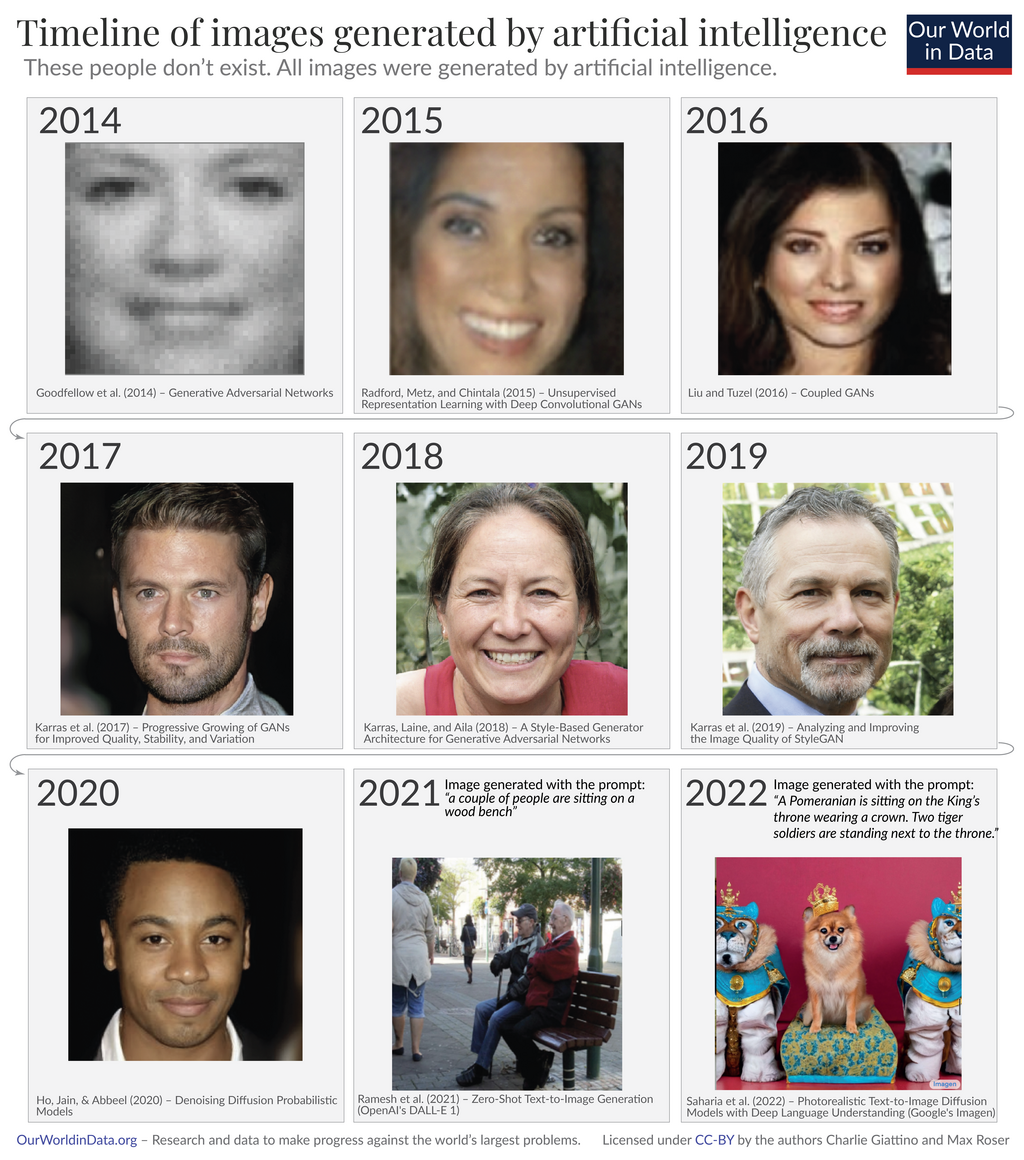
The quality of the AI-generated content depends heavily on the prompts you provide.
Meet the Video Makers
Several platforms are leading the way in AI video generation, each with its own strengths. While the technology is still evolving, these tools offer a glimpse into the future of creative content.
| Platform | Key Features |
|---|---|
| OpenAI's Sora | Known for generating high-fidelity, longer videos (up to a minute) with a strong sense of cinematic quality and coherence. |
| RunwayML | A robust creative suite that offers not just text-to-video but also video-to-video editing, allowing users to apply styles to existing footage. |
| Pika Labs | Focuses on accessibility and creativity, enabling users to generate and edit videos in various styles, from animation to photorealistic. |
Each of these platforms interprets prompts differently, but the fundamental principle remains the same: clear, descriptive language is the key to unlocking their potential.
What is the process of an AI creating a video from a written description called?
How do AI models learn to generate videos from text prompts?